Niklas Gruhn introduces the term "meat proxy" to describe people who unthinkingly relay AI-generated outputs to others without processing them. The practice involves copying and pasting system output directly without reading, understanding, or validating the content. Adding value requires users to engage with AI output critically and communicate findings in their own words rather than serving as passive conduits.
OpenAI hosted a luxury influencer retreat called 'Summer Club' in upstate New York, offering farm-to-table dining and product training sessions. The trip occurred as OpenAI pursues a $500 billion data center deal in Ohio and maintains a $200 million Department of Defense contract. Social media users criticized attendees for promoting AI during widespread concerns about environmental impact and AI's societal effects, with some influencers deleting posts about the event.
Congress spent approximately $100,580 on ChatGPT during the fiscal year ending March 31, 2026, representing 90% of all AI tool spending by House offices and committees. OpenAI's ChatGPT dominated with $100,580 in spending across 798 transactions, while Anthropic's Claude came second with $13,160 across 37 transactions. Congressional staffers are using these tools to draft legislation analysis, constituent responses, hearing materials, and social media posts.
Interconnects launched two free data tools for tracking open-source AI models: the Artifacts Hub covers 792 models released in the last two years with metrics from Hugging Face and Open Router, while an Adoption Dashboard tracks downloads and derivatives by geography and organization, particularly highlighting US-China adoption patterns. The hub provides adoption scores, intelligence indices, and similarity metrics for popular models like GLM-5.2 and DeepSeek R1. These tools aim to increase transparency in the open model ecosystem and help developers understand which models are gaining traction.
A data roundup reports that ChatGPT users are applying the tool to tasks outside their primary job roles, employees using AI for multiple use cases report twice the productivity gains compared to single-use adoption, and agentic AI patents grew 59% globally in the past year to represent 9% of all AI application patents. Companies in the AI supply chain value chain are outperforming the broader market, with Bloomberg's AI Value Chain companies beating earnings expectations by 71% versus 27% for the S&P 500 in Q2. The data suggests AI adoption is broadening across job functions and that infrastructure and supply chain companies are capturing disproportionate value from AI expansion.
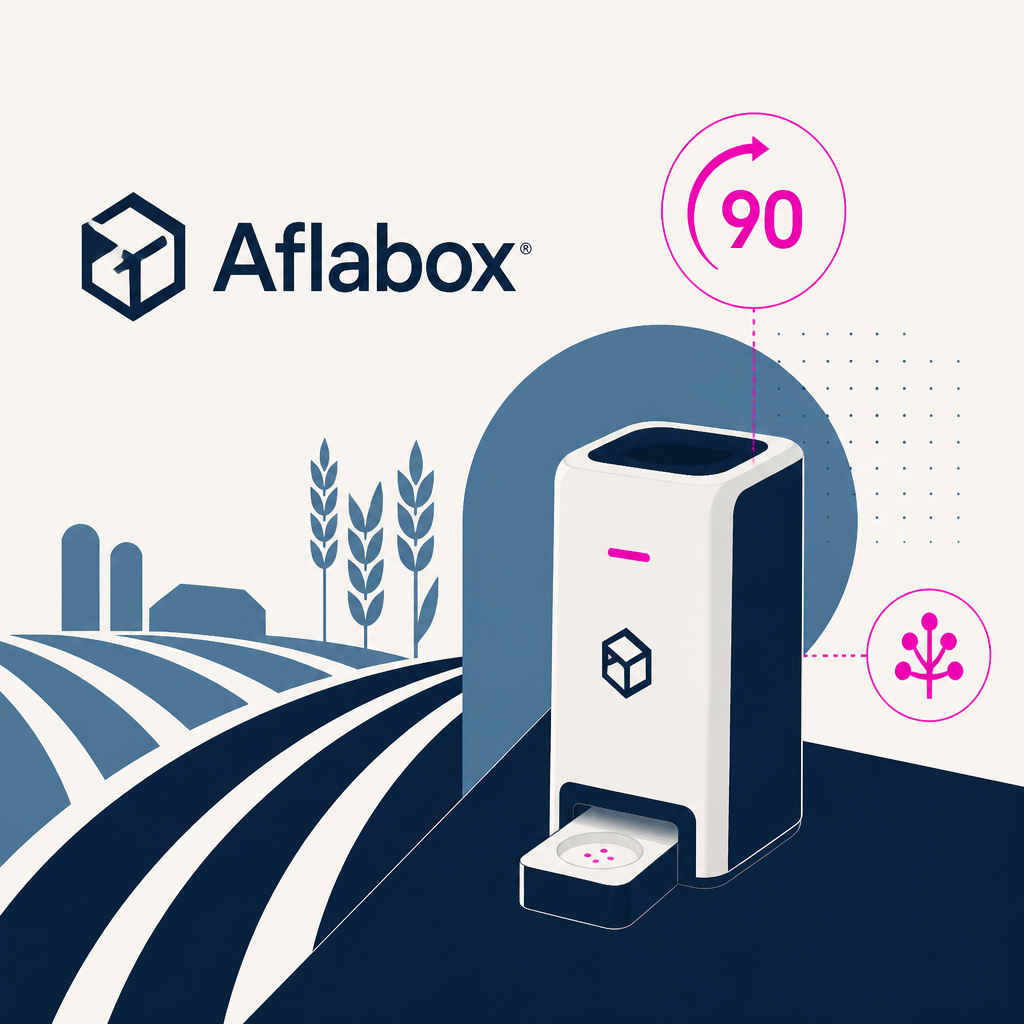
Aflabox, an Italian agritech startup, raised €1.35 million in seed funding to scale its AI-powered platform for rapid mycotoxin and food safety testing in agricultural fields. The platform delivers test results in under 90 seconds using portable hardware, imaging, and AI, compared to conventional laboratory testing that takes hours or days. The funding will support device certification, manufacturing, and expansion across Africa and Europe to enable faster decision-making across agricultural supply chains.
The Wall Street Journal·2 months ago·
18
● 6 sources
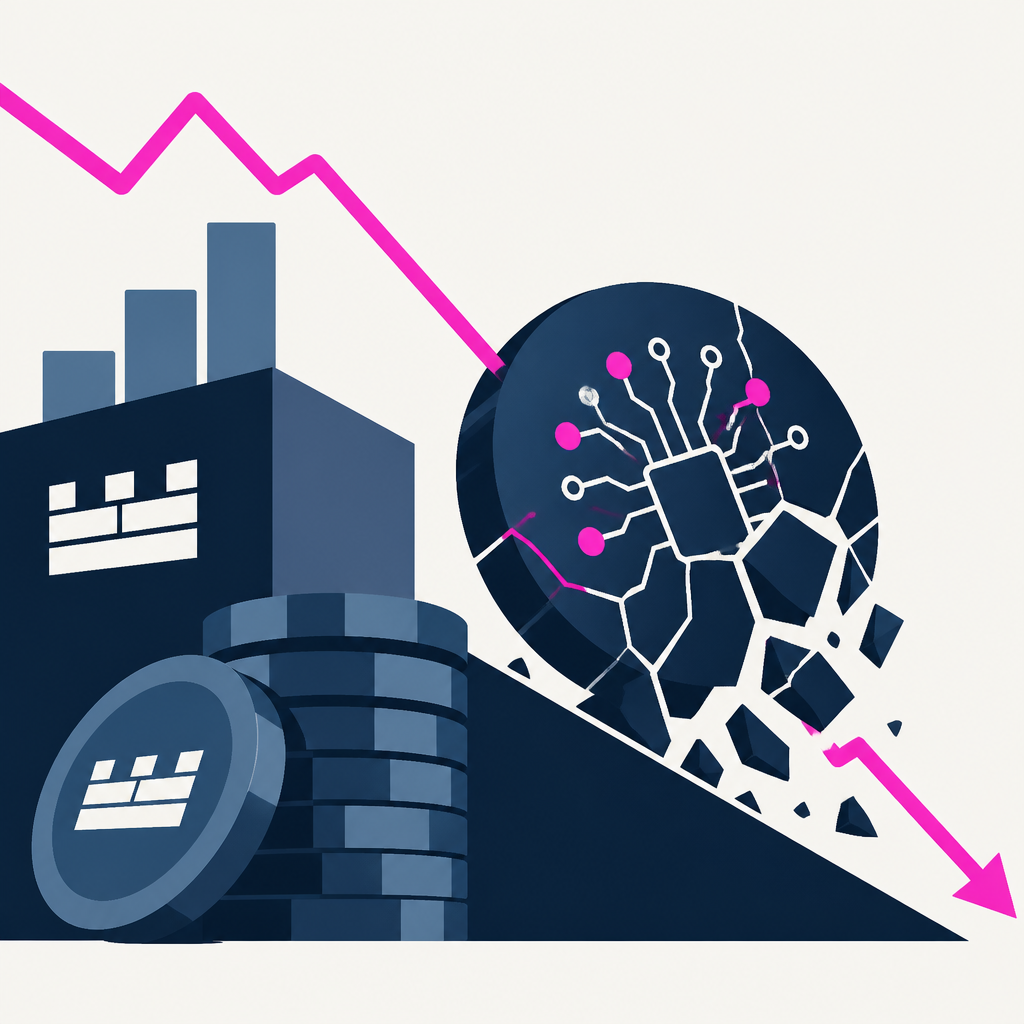
Leopold Aschenbrenner's $45 billion AI-focused investment fund collapsed due to excessive leverage, prompting Citadel to acquire most of its public stock holdings at a discount. The fund had concentrated its bets heavily on AI stocks without adequate risk management. The failure highlights dangers of over-leveraged positions in concentrated sectors and may prompt broader scrutiny of similar high-risk investment strategies.
Every AI story that matters,
in your inbox by 8am.
TLDRocket reads all relevant sources, removes duplicate coverage, and summarises the
day in two minutes. Follow companies and topics for alerts, or get the
briefing in Slack. Free, no spam, unsubscribe anytime.
Reading TLDRocket needs no cookies, and the readership counts we rely on come from
our own cookieless analytics. Google Analytics is the exception: it sets cookies and
reports to Google, so it stays switched off until you allow it. You can change your
mind any time from “Cookie settings” in the footer.
Strictly necessary
Session security and form protection (tldrocket-session,
XSRF-TOKEN, 2 hours). The site cannot work without them,
so they need no consent.
Always on
Google Analytics 4 (_ga,
_ga_<id>, up to 2 years). Measures which
stories and sections readers use. Google acts as a third-party processor and may
store the data outside the EU. No advertising, no profiling, no data sold.