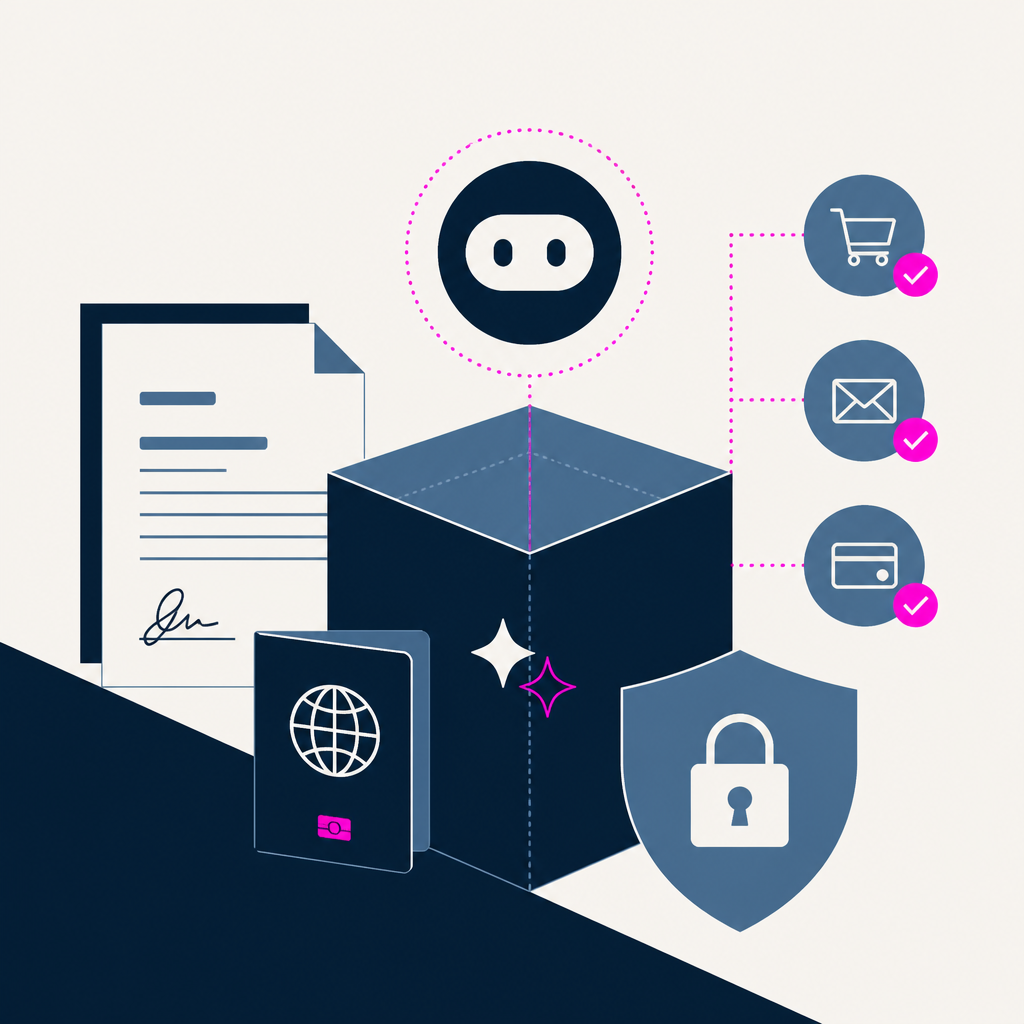
Heurist Finance built an AI-native investment workbench on Amazon Bedrock AgentCore that gathers data, reads filings and news, runs research and portfolio stress tests, and tailors outputs to each user’s portfolio and preferences. Heurist estimates about 80% less agent-system engineering than an in-house LLM orchestration stack. Using AgentCore identity, memory, sandboxed code execution, observability, and AgentCore payments to buy premium data per query changes its infrastructure workload, enables auditable per-user traces, and provides more predictable per-user marginal costs for retail pricing.
Security operations centers are testing AI agents that gather signals, investigate suspicious activity, and suggest next steps to humans in the loop, raising questions about how much control to grant. The Sept. 15, 2026 roundtable will convene 20–25 security leaders to discuss limits on autonomous SOC actions and the human handoff. As a result, teams may shift analysts toward orchestrating and overseeing agents and move SOC processes toward continuous detection and response rather than separate steps.
Writer Inc. launched Enterprise Brain in early access to provide a governed enterprise context and memory layer for its AI agent across teams and systems, and added Writer Meet for connecting video calls to enterprise context and automated actions. It said its ecosystem-related video network reaches 15M+ viewers of theCUBE videos. As a result, teams can share standardized branding and logic via a team-level memory layer instead of relying on one-person sessions, with meeting and workspace conversations fed into agent workflows.
Meta introduced Muse, a personal AI agent designed to automate everyday tasks, fill out forms, and browse the web in a dedicated secure virtual machine. It’s used through apps like WhatsApp and requires explicit user approval for sensitive actions such as purchases or sending emails. The result is that routine web and form work can be delegated to the agent, while high-risk actions remain gated by user consent.
Ayven launched as project and team collaboration software that automates workflow planning and execution in systems like Jira and YouTrack.
It is launching today.
The product claims it will run and track work over weeks by coordinating through Slack and updating the project board automatically.
Meta debuts Muse, a personal AI agent in a dedicated app that lets users message it to automate digital tasks via a secure cloud setup. Muse launches in the U.S. today on iOS and Android. The rollout adds free access with limited weekly usage and introduces Meta’s “secure by design” controls, including Secure VM isolation and monitoring before actions are approved or prompted.
Every AI story that matters,
in your inbox by 8am.
TLDRocket reads all relevant sources, removes duplicate coverage, and summarises the
day in two minutes. Follow companies and topics for alerts, or get the
briefing in Slack. Free, no spam, unsubscribe anytime.
Reading TLDRocket needs no cookies, and the readership counts we rely on come from
our own cookieless analytics. Google Analytics is the exception: it sets cookies and
reports to Google, so it stays switched off until you allow it. You can change your
mind any time from “Cookie settings” in the footer.
Strictly necessary
Session security and form protection (tldrocket-session,
XSRF-TOKEN, 2 hours). The site cannot work without them,
so they need no consent.
Always on
Google Analytics 4 (_ga,
_ga_<id>, up to 2 years). Measures which
stories and sections readers use. Google acts as a third-party processor and may
store the data outside the EU. No advertising, no profiling, no data sold.