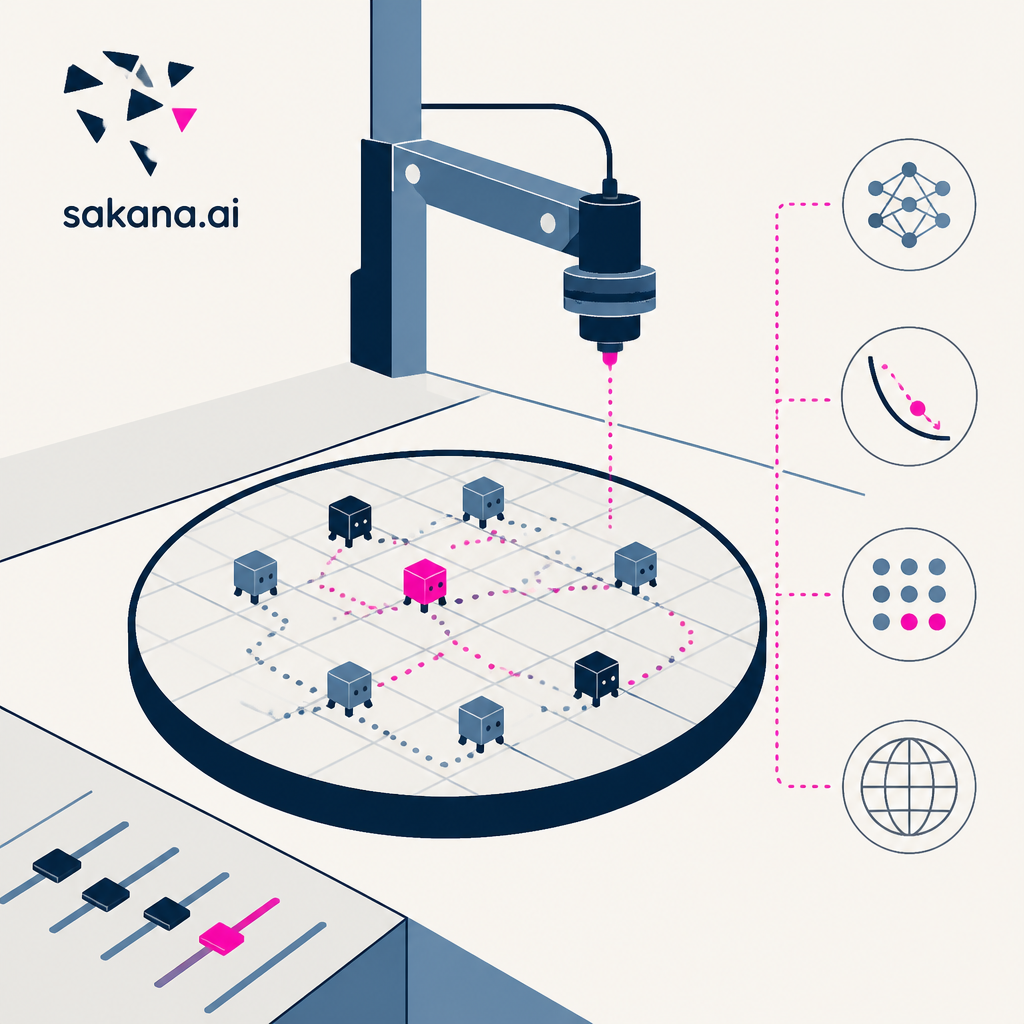
Sakana AI released Digital Ecosystems, a browser-based platform where small neural networks compete on a 2D grid, learning via gradient descent while the simulation runs. The system contains 40+ tunable parameters and runs entirely in the browser without installation. The research found that gradient descent stabilizes the ecosystem by preventing species from overextending or stagnating, enabling exploration of complex emergent behaviors.
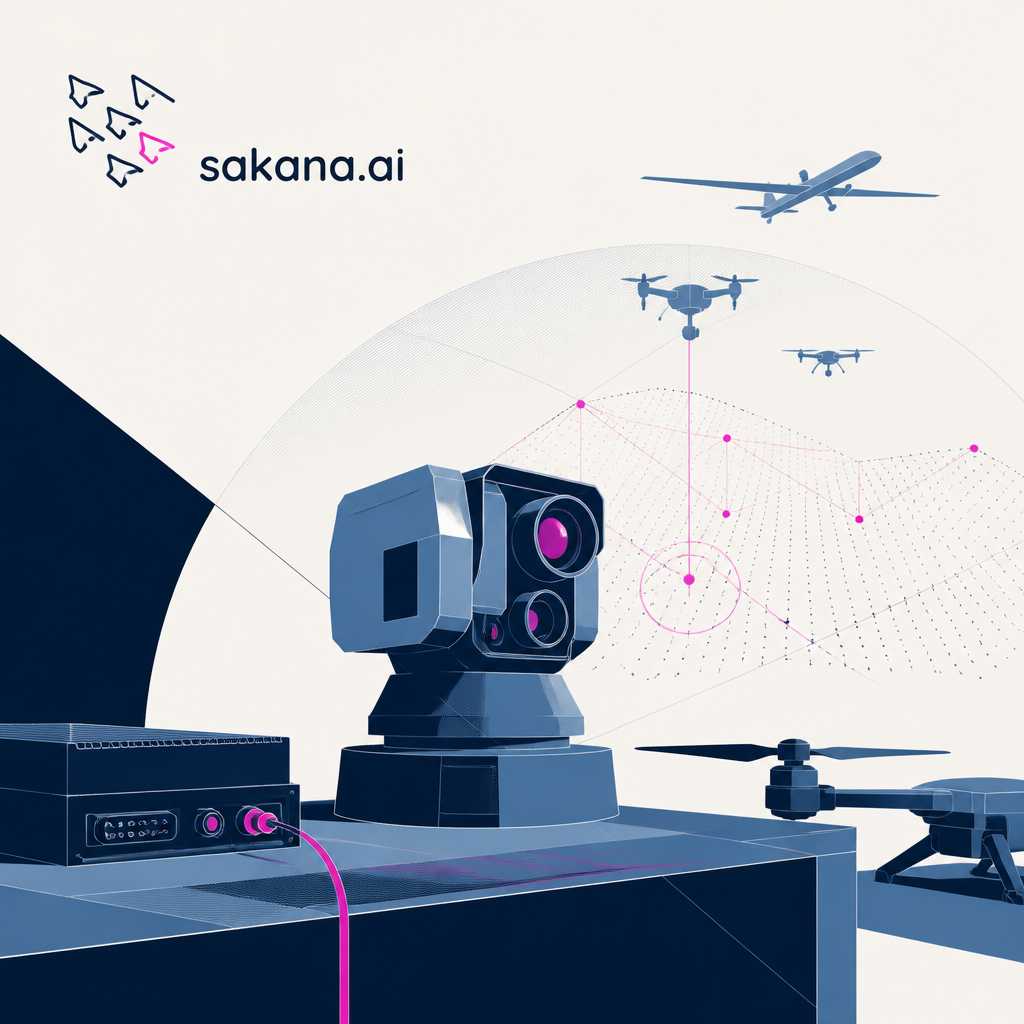
Sakana AI launched an Applied Team in early 2025 to implement generative AI technology in sectors like finance and defense. The company is developing command-and-control systems for defense that integrate large volumes of field data from drones and other sources to support rapid situational assessment and decision-making by military personnel. Software engineers at Sakana AI work on mission-critical defense applications using Python, TypeScript/Next.js, and Kotlin, with generative AI serving as an essential tool across implementation, goal-setting, and problem extraction.
Photoroom's data team developed the Insights Factory, a system that decomposes complex analytical questions into hundreds of small, auditable SQL queries executed by LLM agents with fresh context for each task. The system stores investigation memory in a markdown file rather than a context window, uses five reusable skills to orchestrate agent work, and costs approximately $5 per investigation while remaining fully auditable. This architecture addresses LLM limitations with long context and multi-step reasoning by giving each agent a single atomic task, maintaining external memory to avoid token re-billing, and ensuring human validation at the start and end of each investigation.
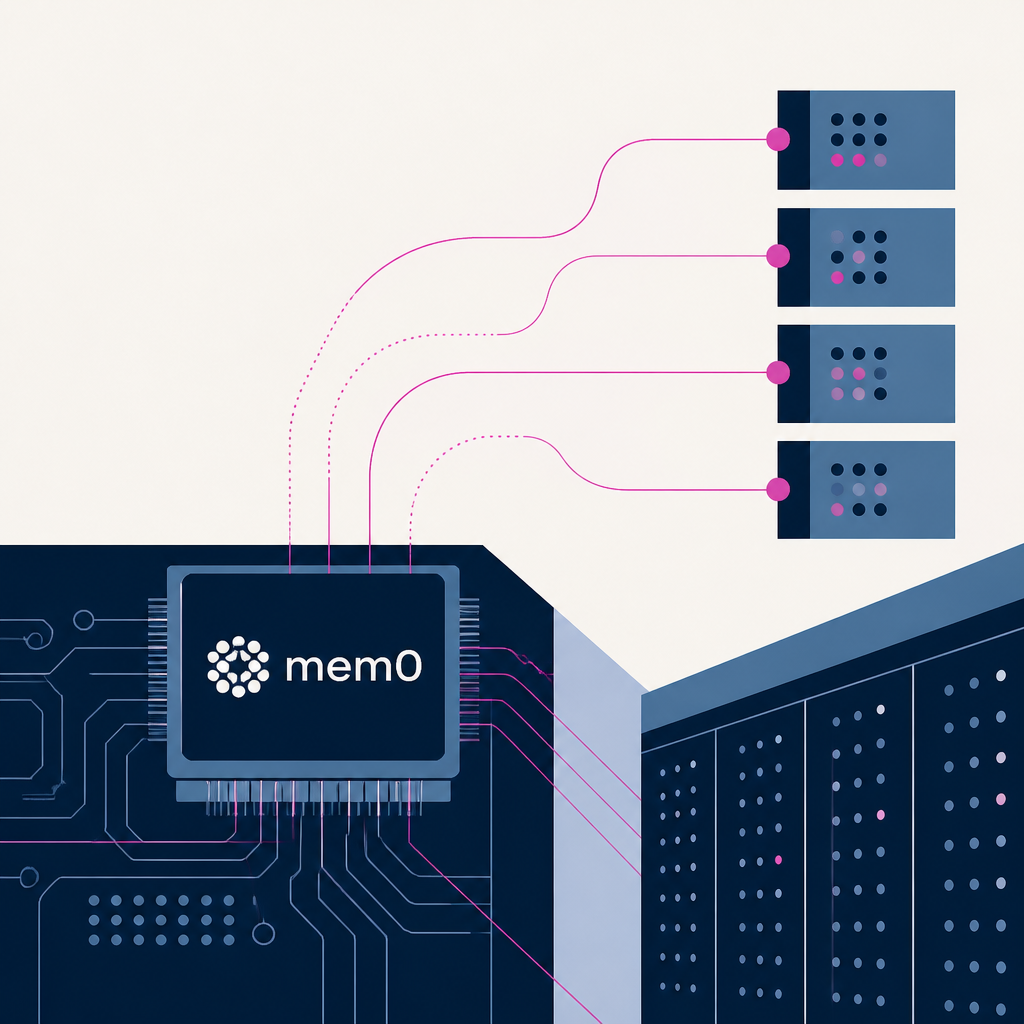
Mem0 offers memory and connector integration designed to maintain long-lived context in recurring AI agent work. The system enables persistent state management across multiple agent interactions and workflows. This allows AI agents to retain information between sessions and build cumulative understanding over time.
Every AI story that matters,
in your inbox by 8am.
TLDRocket reads all relevant sources, removes duplicate coverage, and summarises the
day in two minutes. Follow companies and topics for alerts, or get the
briefing in Slack. Free, no spam, unsubscribe anytime.
Reading TLDRocket needs no cookies, and the readership counts we rely on come from
our own cookieless analytics. Google Analytics is the exception: it sets cookies and
reports to Google, so it stays switched off until you allow it. You can change your
mind any time from “Cookie settings” in the footer.
Strictly necessary
Session security and form protection (tldrocket-session,
XSRF-TOKEN, 2 hours). The site cannot work without them,
so they need no consent.
Always on
Google Analytics 4 (_ga,
_ga_<id>, up to 2 years). Measures which
stories and sections readers use. Google acts as a third-party processor and may
store the data outside the EU. No advertising, no profiling, no data sold.