OpenCode 2.0 was released after its public beta, adding a shared background service that connects the terminal, web, and desktop apps through a rebuilt API plus new SDK and background execution features for subagents and shell commands. The update uses a keyboard shortcut to move a foreground task into the background when it runs long. Developers must upgrade manually (for example via opencode upgrade --major or /update), and OpenCode 1.0 plugins and older server-API integrations won’t work without changes.
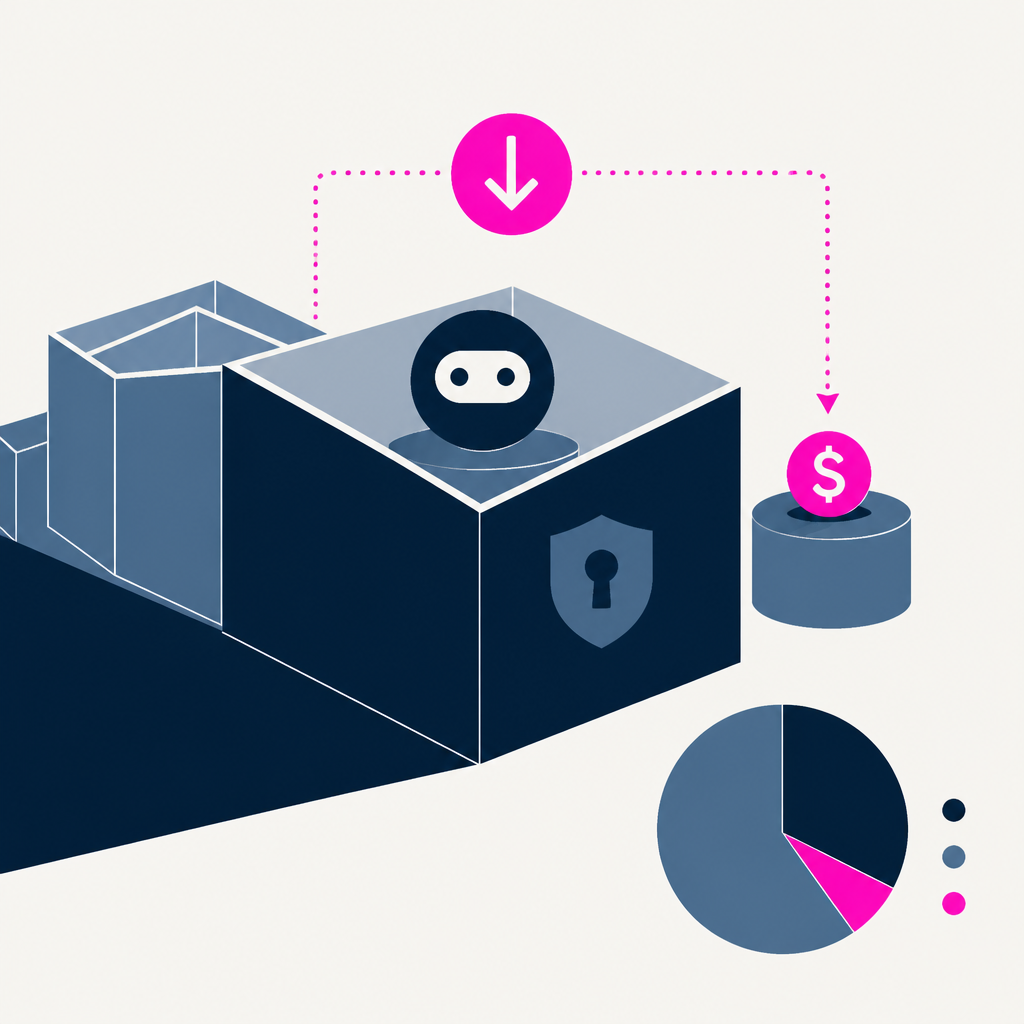
Agent37 launched low-cost sandboxes for running AI agents and says they run at under 10% of most sandbox providers’ costs. New customers average $0.37/month per sandbox, and the infrastructure cost for free-tier sandboxes is about $0.05 to $0.10 per user per month. The company is now offering a free plan, with over 90% of new signups using it.
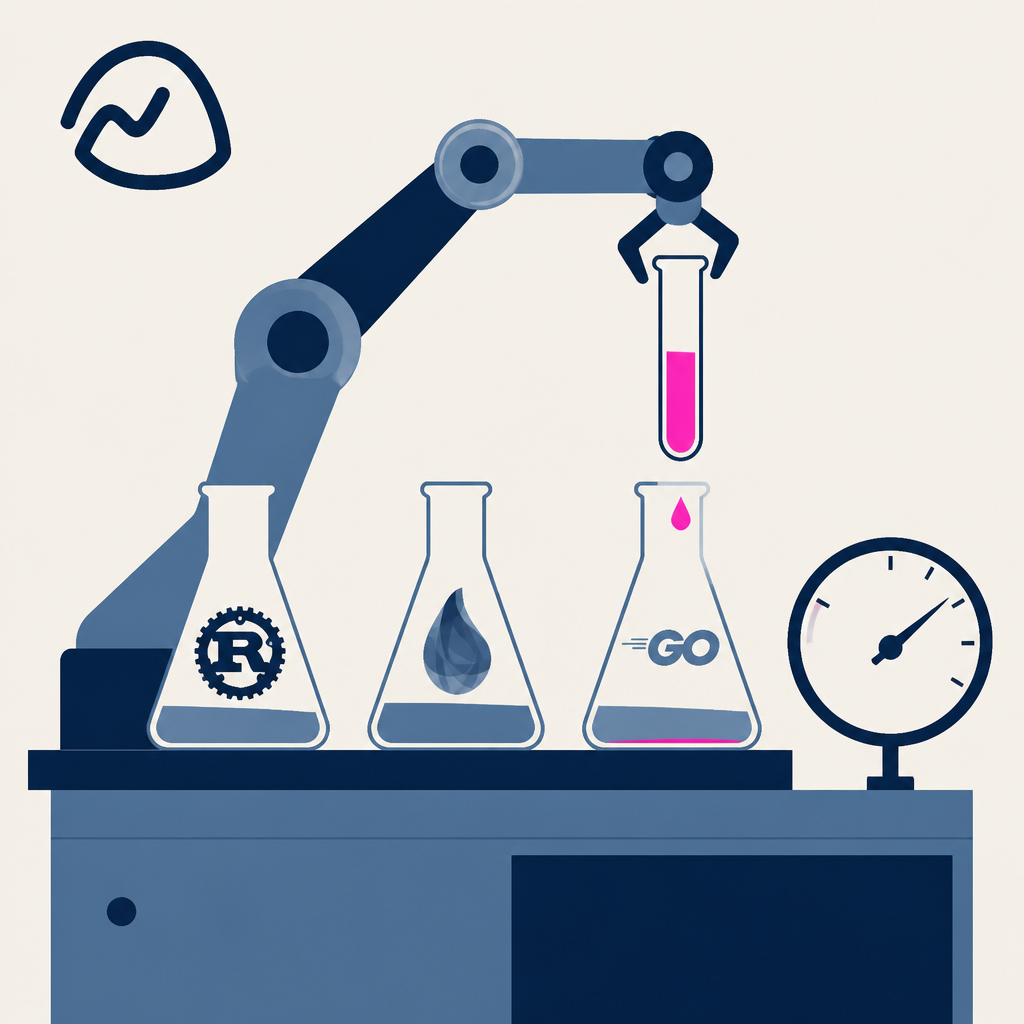
A write-up by Piotr Sarnacki describes DHH using an AI agent to rewrite Campfire from Ruby on Rails to Rust (and later Elixir and Go) without directly writing or reading the code. The Rust version delivered only 1% of new post notifications under heavy load (reported as 1% out of 6–7k events), and later tuning a broadcast stream capacity from 256 to 16384 increased delivery to ~90% while raising pMAX latency from 11s to over 130s. The results show that vague prompts and benchmark-only evaluation lead to incorrect trade-offs and failure modes, so developers still need to read, test, and set constraints rather than assume the rewrite will “just work.”
Tesla’s Digital Optimus agent can now play about halfway through Diablo’s campaign by looking at the screen like a human, according to Elon Musk. Musk said the progress was shared on October 10, 2026, and he added that Counter-Strike skills are strong while League of Legends training is ongoing. The update shifts the agent toward broader cross-game generalization rather than relying on game-internal access alone.
Self-compacting language model agents were proposed to prevent long agent traces from accumulating stale context that pushes earlier content out of the context window. The method, SELFCOMPACT, reports up to 18.1 point gains on math and uses 30–70% fewer tokens per question. It changes compaction from fixed token-interval summarization to a model-invoked summarization tool plus a lightweight rubric that decides when to summarize or suppress during trajectories.
Every AI story that matters,
in your inbox by 8am.
TLDRocket reads all relevant sources, removes duplicate coverage, and summarises the
day in two minutes. Follow companies and topics for alerts, or get the
briefing in Slack. Free, no spam, unsubscribe anytime.
Reading TLDRocket needs no cookies, and the readership counts we rely on come from
our own cookieless analytics. Google Analytics is the exception: it sets cookies and
reports to Google, so it stays switched off until you allow it. You can change your
mind any time from “Cookie settings” in the footer.
Strictly necessary
Session security and form protection (tldrocket-session,
XSRF-TOKEN, 2 hours). The site cannot work without them,
so they need no consent.
Always on
Google Analytics 4 (_ga,
_ga_<id>, up to 2 years). Measures which
stories and sections readers use. Google acts as a third-party processor and may
store the data outside the EU. No advertising, no profiling, no data sold.