Pilot Protocol, a startup founded by 22-year-old Artemii Amelin, has built a marketplace to sell services directly to AI agents rather than humans, treating autonomous software as a new class of customer. Pilot has processed over 115 billion requests from 250,000+ agents since launching, growing 10 percent weekly between March and June, with agent-driven commerce projected to reach $1.5 trillion by 2030. The company raised $4.5 million to establish itself as a neutral platform layer across different AI models, positioning itself as the "search engine optimization" equivalent for an era where machines make purchasing decisions autonomously.
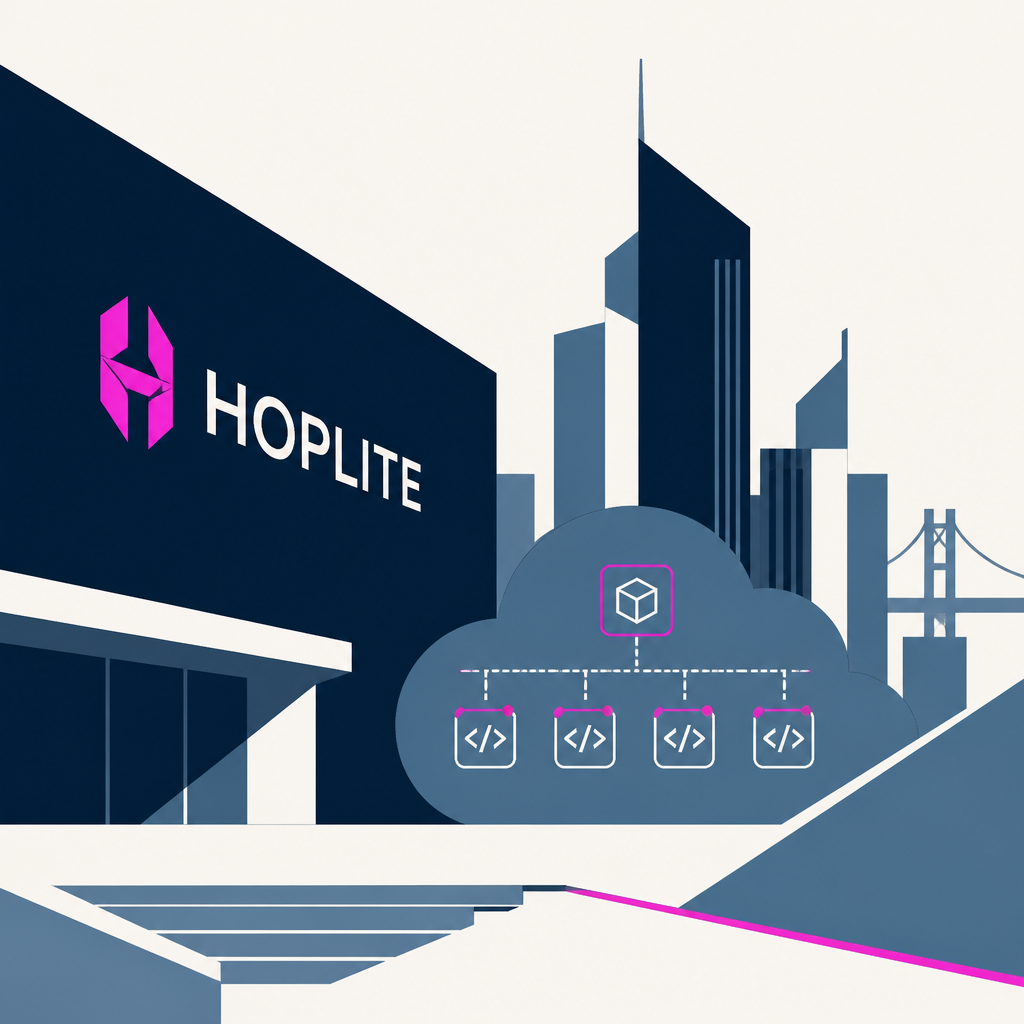
Hoplite, a YC S26 startup, launches a cloud platform for deploying and testing coding agents with tools for QA and concurrent agent management. The founders built a custom agent harness and host infrastructure on AWS, Temporal, Modal, and PlanetScale, positioning agents as tier-0 infrastructure requiring enterprise reliability. Developers will shift from reviewing code to evaluating product output across multiple concurrent agents, changing how software development workflows function.
Microsoft Research released Orchard, an open-source framework with a reusable Kubernetes environment for training autonomous agents across software engineering, web navigation, and personal-assistant tasks. Orchard-SWE achieves 69.7% on SWE-bench Verified using only 3 billion active parameters, approaching systems with 10 times more parameters, while Orchard-GUI reaches 68.4% average success on web-navigation benchmarks. The release of training data, evaluation methods, and open infrastructure enables researchers to build agentic systems without proprietary sandboxes or closed pipelines.
Mu is an MCP server and web application that enables AI agents to access real-world information and services through a unified interface, including news, email, markets, weather, and web search. The platform supports Claude, DeepSeek, or local LLMs as the agent backbone, offers both a web app and CLI, and can be self-hosted via Docker or from source. Users can interact with Mu through a web interface, command line, Discord, or Telegram to query services or compose multi-tool agent responses.
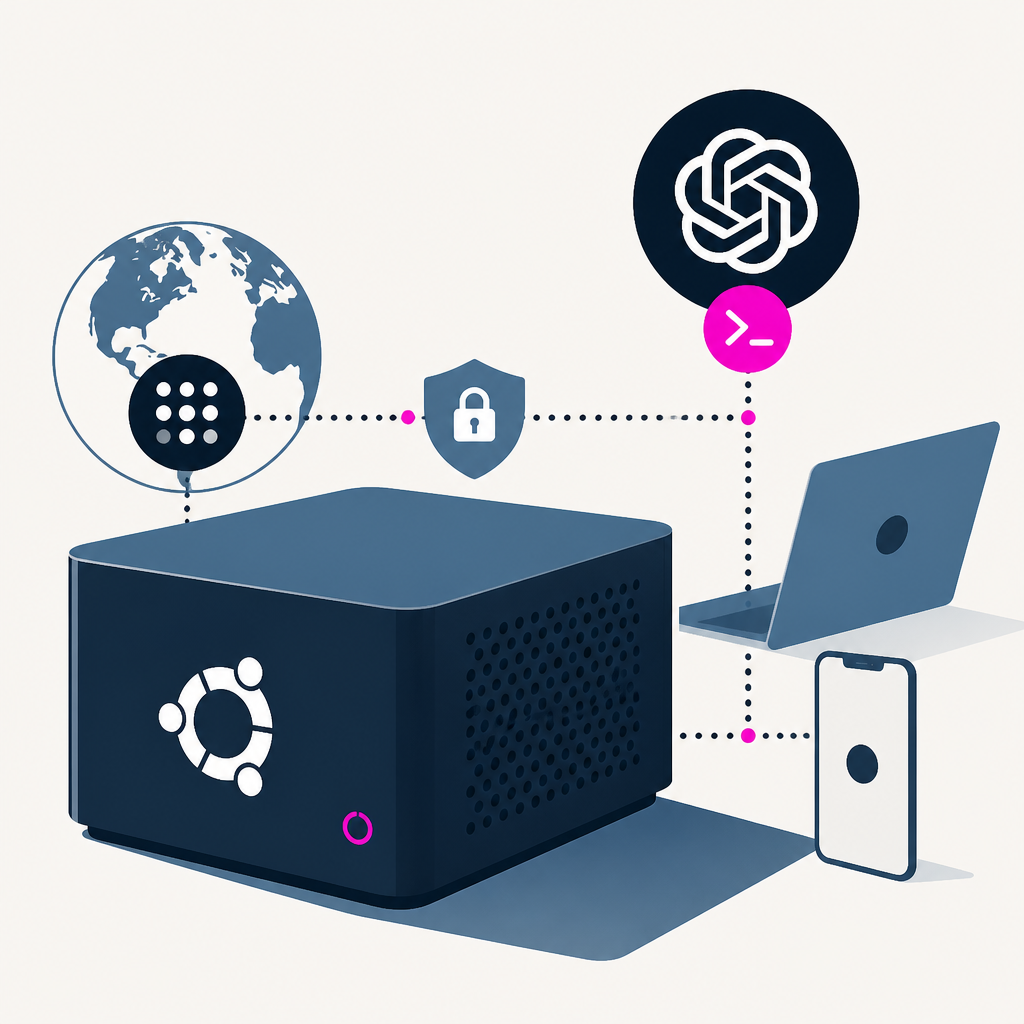
A developer shares their Linux VM and Tailscale-based setup for running AI coding agents autonomously, combining remote VM access with ChatGPT's native SSH support for seamless work across devices. The setup uses a disposable Ubuntu VM on an always-on desktop with Tailscale for private networking, allowing agents to run with minimal approval prompts and continue work in the background. Key tools include git worktrees for parallel work, the ChatGPT desktop app as a thin client, and elevated agent permissions (sudoers, GitHub CLI login) that trade safety for convenience.
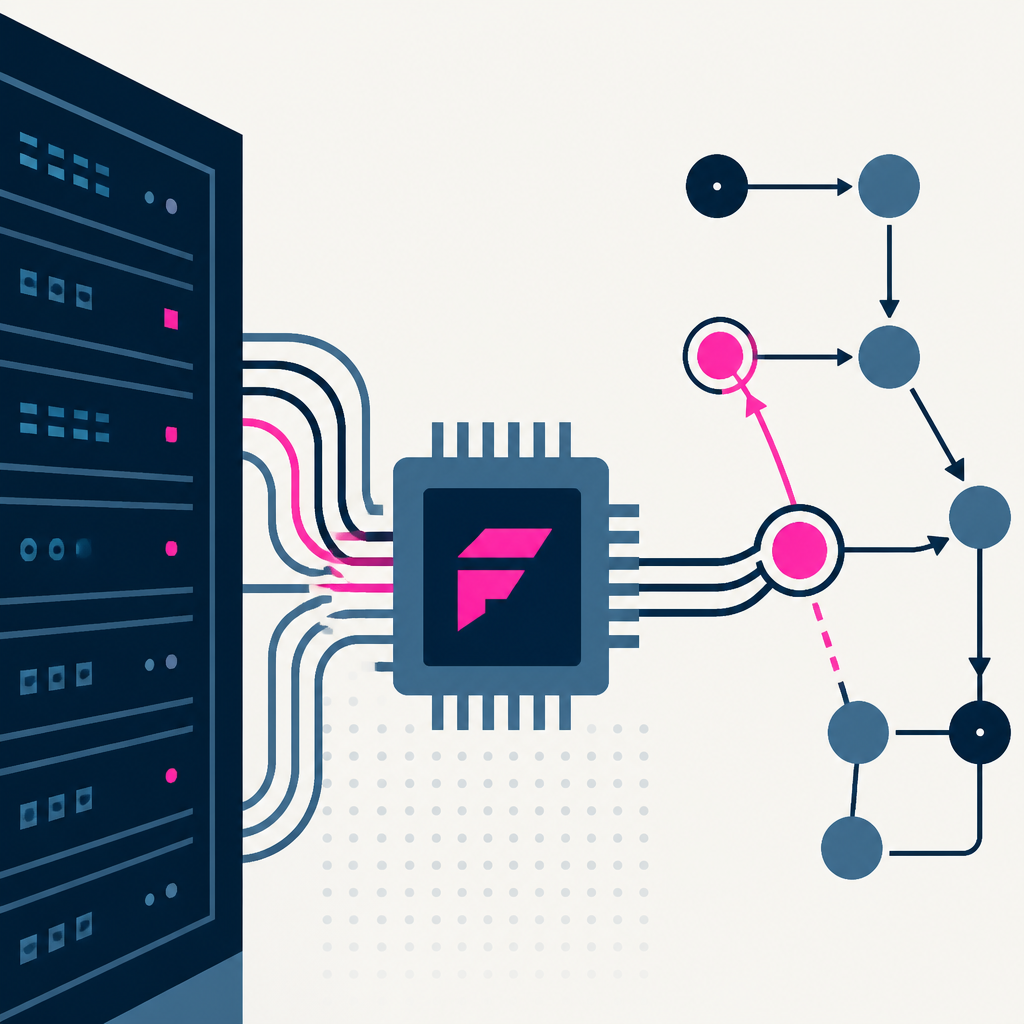
Finyuus is a new code-first programming language designed for building AI workflows that are durable and governed. The language uses a state-machine based approach with event sourcing to enable reliable execution of complex AI pipelines. Developers can now version control and audit AI workflows with the same practices used for traditional software engineering.
Hexis is a platform that provides Git-backed skills, tools, and context infrastructure for AI agents to access and execute tasks. The system allows agents to retrieve and utilize versioned code repositories and contextual information stored in Git. This enables AI agents to have persistent, auditable access to the tools and knowledge they need to operate independently.
Every AI story that matters,
in your inbox by 8am.
TLDRocket reads all relevant sources, removes duplicate coverage, and summarises the
day in two minutes. Follow companies and topics for alerts, or get the
briefing in Slack. Free, no spam, unsubscribe anytime.
Reading TLDRocket needs no cookies, and the readership counts we rely on come from
our own cookieless analytics. Google Analytics is the exception: it sets cookies and
reports to Google, so it stays switched off until you allow it. You can change your
mind any time from “Cookie settings” in the footer.
Strictly necessary
Session security and form protection (tldrocket-session,
XSRF-TOKEN, 2 hours). The site cannot work without them,
so they need no consent.
Always on
Google Analytics 4 (_ga,
_ga_<id>, up to 2 years). Measures which
stories and sections readers use. Google acts as a third-party processor and may
store the data outside the EU. No advertising, no profiling, no data sold.