MeetStream AI presents a unified API and infrastructure for AI meeting agents.
The page description highlights a single integration approach via a unified API and infra.
This changes by pointing users to a product link for accessing that meeting-agent setup rather than publishing any results or benchmarks.
Amazon Bedrock's AgentCore Payments service is now generally available, allowing AI agents to autonomously pay for APIs, content, and services using integrated Coinbase and Stripe wallets. The service supports multiple payment protocols including x402 and Machine Payment Protocol, with configurable spending limits and comprehensive audit logging. Enterprises can now deploy agents that handle transactions independently while maintaining security controls and cost visibility across production workloads.
Anthropic's Claude Code /claude-api skill was loading 200,000 tokens of bundled reference documentation upfront before answering questions, but the company reduced this to 25,000 tokens in version 2.1.234 by switching to on-demand loading of documentation. The fix cuts initial context cost by at least 85.7%, addressing a problem developers had identified in July where even a one-line question consumed massive hidden token overhead. This change leaves more room in Claude's context window for actual repository content and user work, reducing the fixed overhead that compounds at enterprise scale.
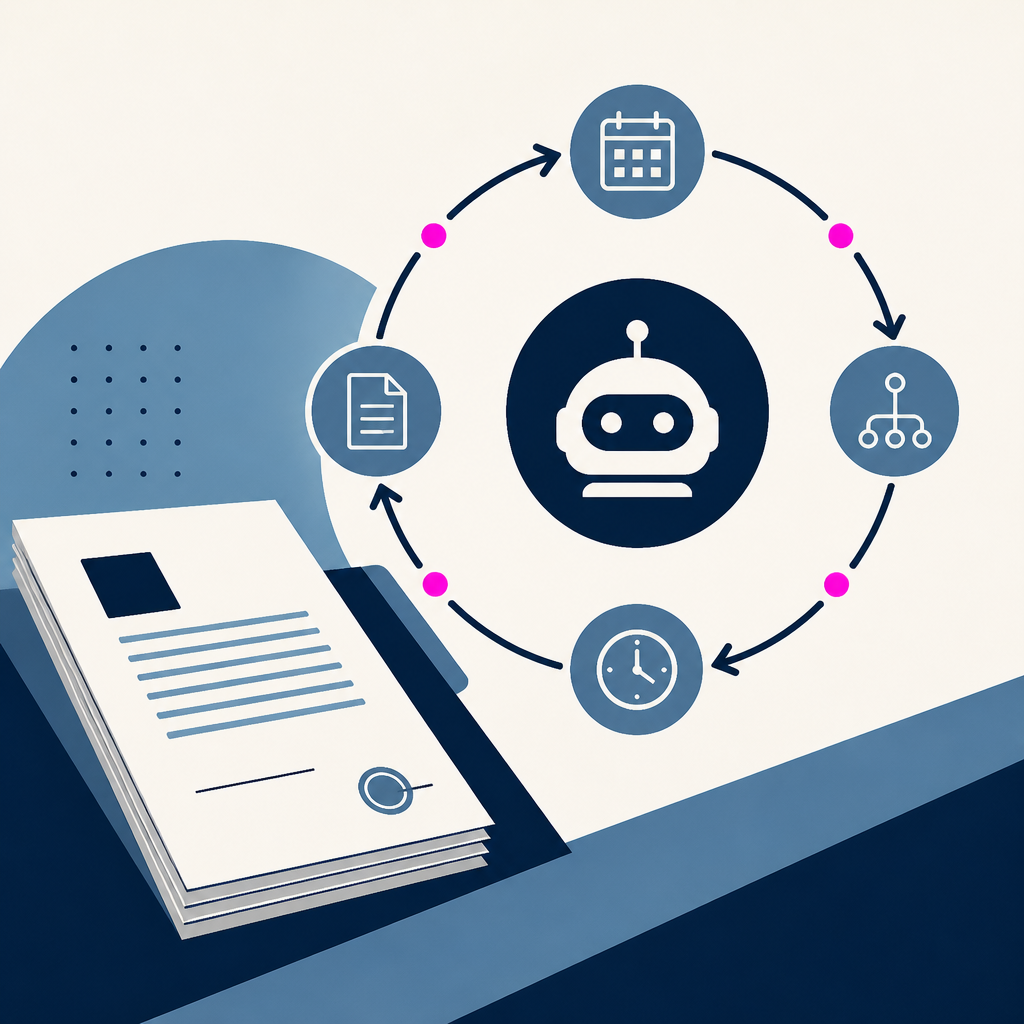
Cronloop AI offers agents that execute repeatedly in automated loops rather than requiring manual triggering for each task.The service enables scheduling of agentic workflows with configurable intervals, allowing continuous operation without human intervention.Users can now deploy self-running AI systems for repetitive work, reducing the need for manual task initiation or orchestration.
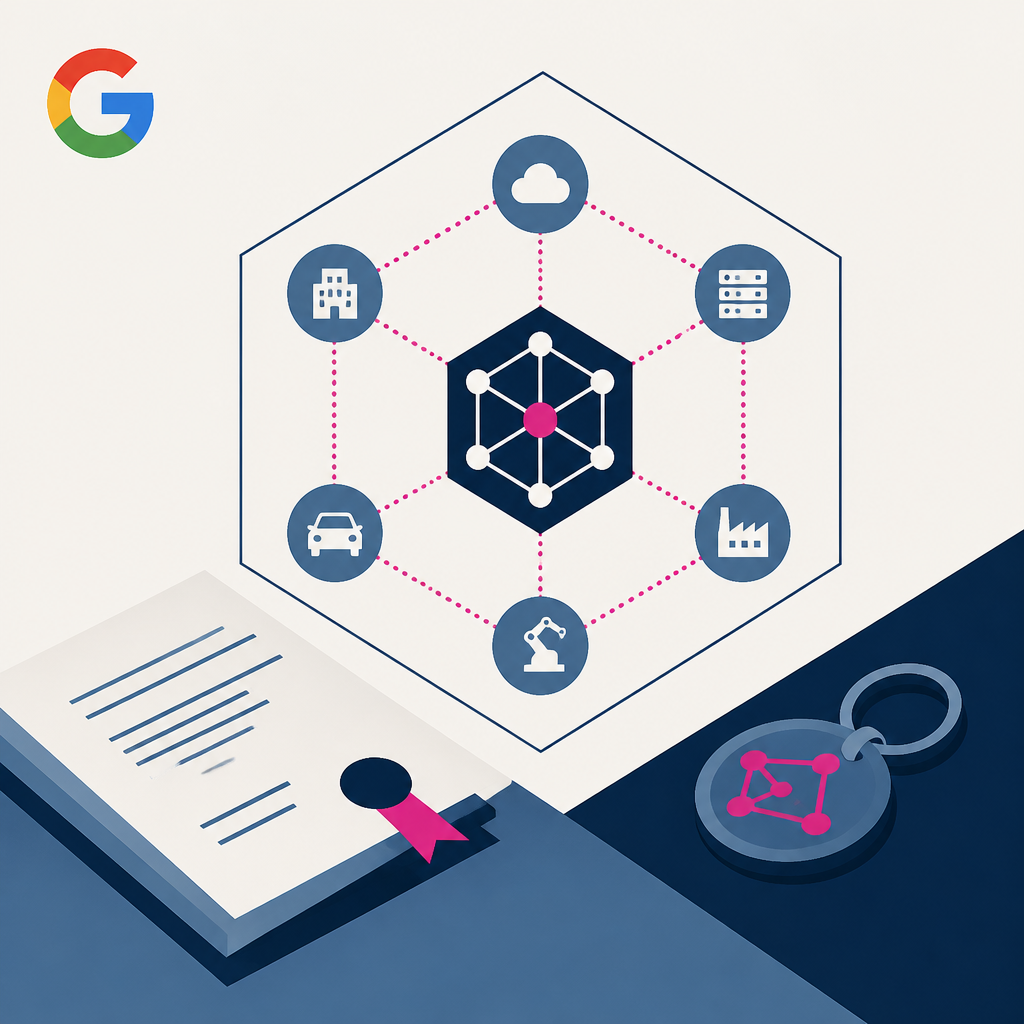
Google released SAM (Sovereign Agent Mesh), an Apache-2.0 P2P networking project that lets autonomous AI agents share tools securely across cloud, on-premises, and edge devices without exposing internal APIs publicly. The system uses OIDC identity verification translated into Biscuit tokens for offline authorization, with strict default-deny policies and three core binaries for control, routing, and node operation. Production deployments require self-hosting a control plane, making it most valuable for regulated enterprises and mid-market organizations running agents across multiple network boundaries.
Meterless released Relay and Gaia, tools that preserve AI workflow structures as reusable assets instead of discarding them after each run. The platform achieves 7.3–15× token reduction by storing missions, memory, and decisions locally on user devices, independent of any single AI model. Users can now switch between different models without rebuilding workflows, enabling cost-effective scaling from frontier models to cheaper alternatives.
Cursor launched Origin, a code hosting feature that lets users create and manage repositories directly on Cursor's platform while also syncing GitHub repos in real time. The service includes pull request management, code browsing, and integrations with deployment and CI tools like Vercel, Depot, and Buildkite. Users can now keep their code, pull requests, and AI agents in one place, with bidirectional syncing between Cursor and GitHub.
Every AI story that matters,
in your inbox by 8am.
TLDRocket reads all relevant sources, removes duplicate coverage, and summarises the
day in two minutes. Follow companies and topics for alerts, or get the
briefing in Slack. Free, no spam, unsubscribe anytime.
Reading TLDRocket needs no cookies, and the readership counts we rely on come from
our own cookieless analytics. Google Analytics is the exception: it sets cookies and
reports to Google, so it stays switched off until you allow it. You can change your
mind any time from “Cookie settings” in the footer.
Strictly necessary
Session security and form protection (tldrocket-session,
XSRF-TOKEN, 2 hours). The site cannot work without them,
so they need no consent.
Always on
Google Analytics 4 (_ga,
_ga_<id>, up to 2 years). Measures which
stories and sections readers use. Google acts as a third-party processor and may
store the data outside the EU. No advertising, no profiling, no data sold.