Why Sam Altman takes his hardest questions to Nikesh Arora
Fortune Allie Garfinkle
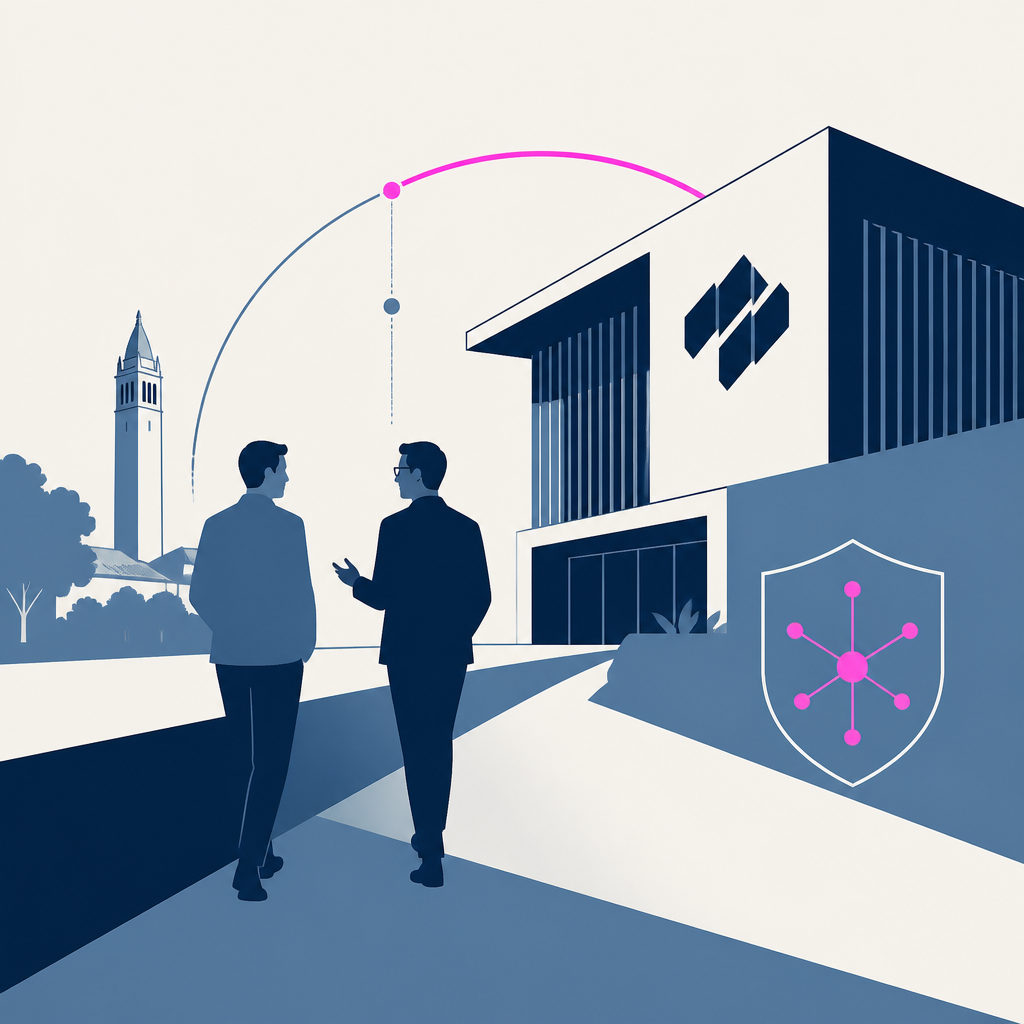
Sam Altman goes to Nikesh Arora for blunt advice. Because Arora’s known for ruthless straight talk, even at Google.
Based on reporting by Fortune, Allie Garfinkle — read the original for the full story.
Summary, retelling and take written by AI under human oversight; images are AI-generated illustrations. How we work · Report an error
Sam Altman has a go-to source when he wants an answer he can actually use: Nikesh Arora, the CEO of Palo Alto Networks. Altman said he has turned to Arora for years because direct advice is rare. Too many people hedge, avoid offense, or simply won’t spend the time, he said.
Arora has built a reputation on the opposite approach. He joined Google months after its IPO and later became chief business officer under Eric Schmidt. Long before that, and long after, he was known for a style that doesn’t soften the blow. Arora has been described as brutally tough at Google, and he doesn’t push back on the label.
His view is simple: if someone walks into a room unprepared, they should leave knowing it. He says people can hand him a mess and he’ll deal with it, but they shouldn’t show up looking dazed. That kind of pressure, in his telling, is part of the job.
And he makes the stakes sound less like management theory and more like engineering discipline. He compares sloppy work to a rocket built by someone who skipped a screw, or a plane that takes off without proper checks. The point is blunt: when the consequences are serious, there’s no room for casual mistakes.
That frame matters now because cybersecurity is getting pulled around by AI. Arora sits in the middle of that shift as the leader of the only pure-play cybersecurity company in the Fortune 500, while the sector deals with more talk of rogue agents and more cyberattacks ahead. In a moment like this, the people with the least patience may be the ones everyone keeps calling.
My take — AI-written commentary, not fact-checked reporting
This is the old Silicon Valley preference for the hard answer dressed up as wisdom, and sometimes it is wisdom. Too many executives want encouragement; too few want correction. When the stakes are security, the blunt guy usually gets the phone call.
Read more about this at: Fortune