Valmis
GitHub
A new open-source tool called Valmis lets you run AI agents for real work, not just personal chats. It keeps agents locked away from your actual passwords and files using a proxy system.
Based on reporting by GitHub — read the original for the full story.
Summary, retelling and take written by AI under human oversight; images are AI-generated illustrations. How we work · Report an error
There's a new entrant in the AI-agent space, and it's making a very specific bet: that businesses won't trust agents with their credentials unless those credentials never actually touch the agent. Valmis, an Apache 2.0 licensed project built in Estonia, positions itself as the professional counterpart to OpenClaw-style personal assistants. The pitch is simple. OpenClaw agents are great for one person tinkering at home, but they store API keys in plain text memory and sometimes ship those keys straight to the LLM provider. For a company hooking agents into Salesforce, Stripe or Google Workspace, that's a nonstarter.
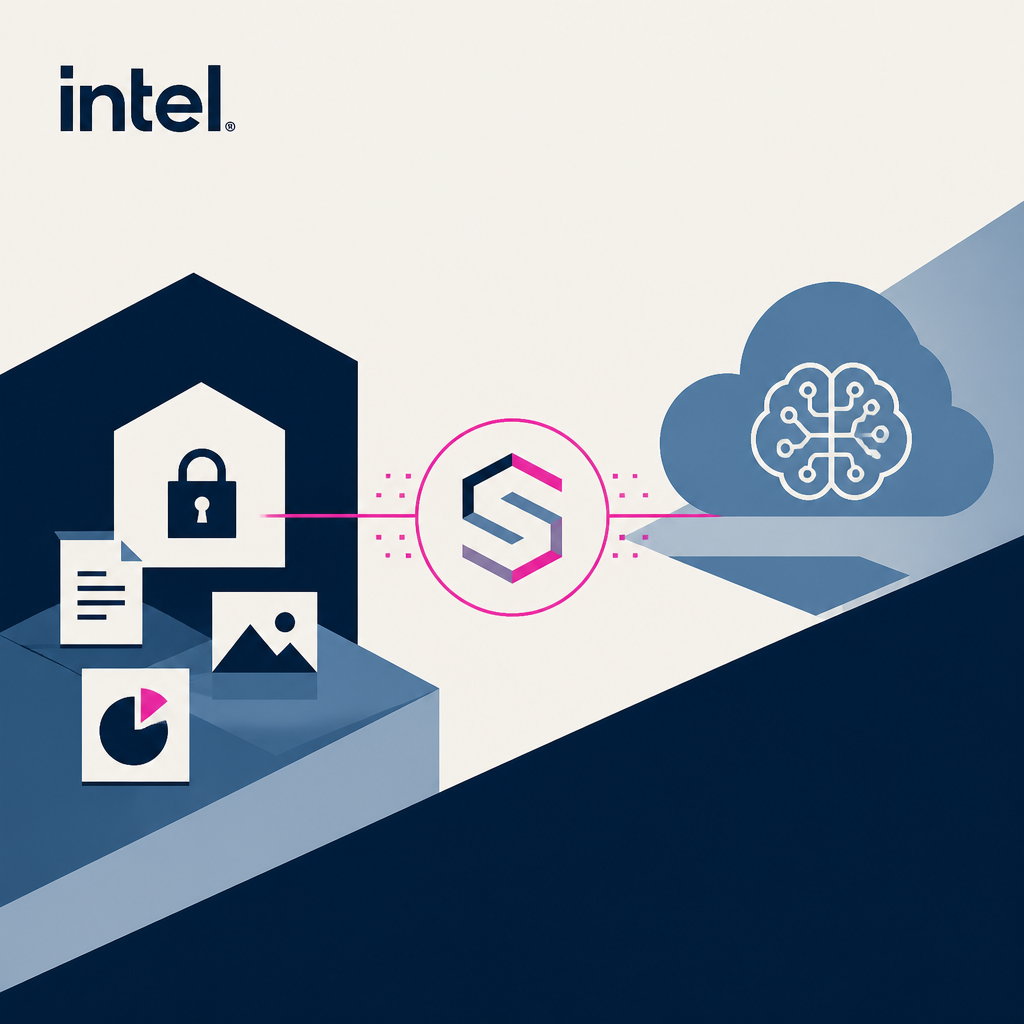
Valmis solves this with a proxy layer sitting between the agent and the outside world. The agent runs in an isolated Docker container and never sees a single credential. Instead, it tells the host machine which credential ID to use, the host makes the actual API call, and only the resulting JSON comes back. Even calls to the LLM itself go through this proxy, which means you could theoretically cut internet access entirely from the agent's container and the whole system would keep functioning. That's a genuinely unusual architecture choice, and it's the kind of detail that security teams will actually care about rather than just nod along to.
The platform supports more than 100 integrations out of the box, from Notion and HubSpot to Figma and Salesforce, each defined as a single YAML file so the catalog can grow easily. Agents can be assigned specific credentials, specific LLM providers, and specific memory stores, then chained together into a fleet where one agent manages others. Memory itself is split into four types, borrowed loosely from cognitive science: episodic, semantic, procedural, and working, all stored with pgvector for semantic recall across sessions. Workflows can be triggered by cron jobs, webhooks, or app events like a new email or Slack mention, with conditions that are either
My take — AI-written commentary, not fact-checked reporting
I like that Valmis treats credential isolation as the actual product rather than a bullet point buried in a security page, because most agent frameworks still hand-wave this and hope enterprises don't ask hard questions. The chess engine gimmick is cute, but the proxy architecture is the real story here, and it's the kind of boring, unglamorous engineering that European teams tend to get right while everyone else races to ship flashier demos.
Read more about this at: GitHub