America is in the wrong AI race with China
Rest of World Rumman Chowdhury and Konstantinos Komaitis ● Covered by 116 sources
Opinion — commentary, not a factual news event.
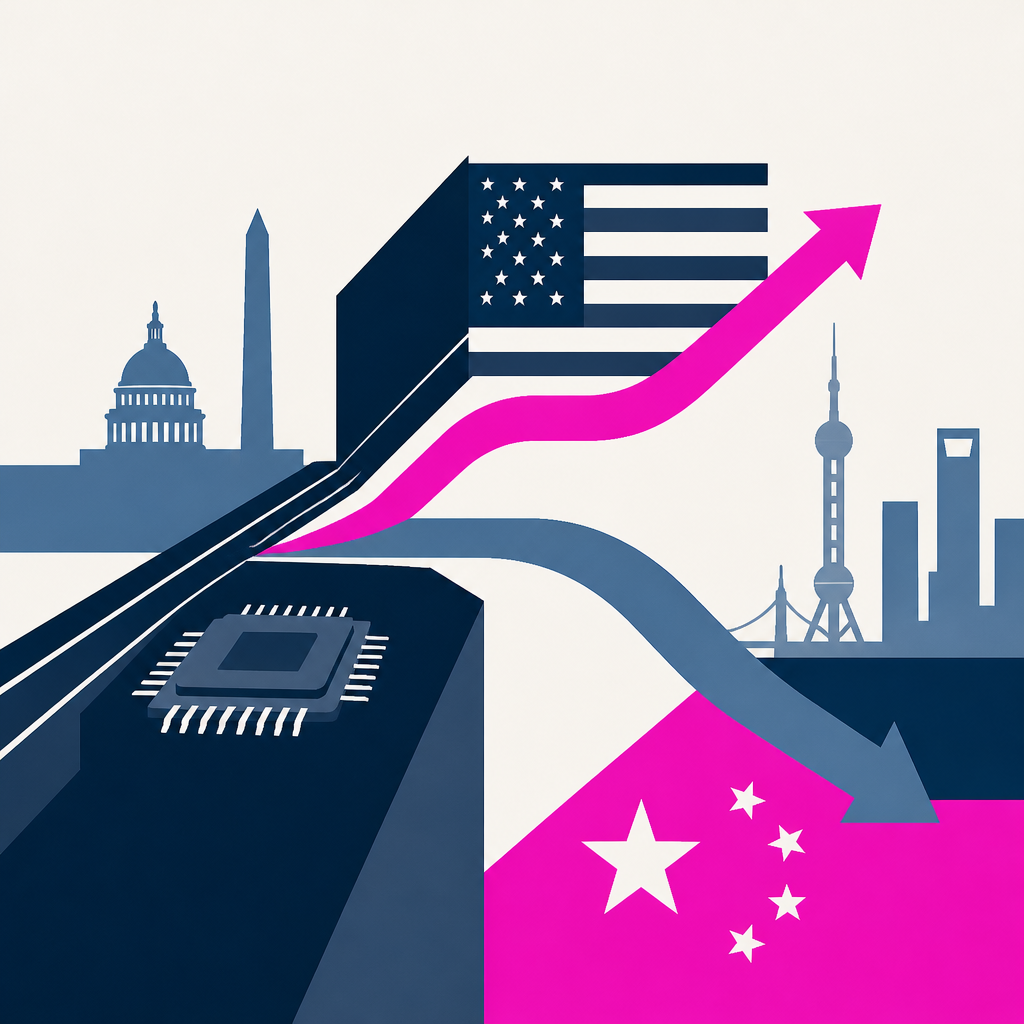
America’s AI fight is focused on beating China on model speed. The catch: people in the U.S. don’t trust the tech, and that may matter more.
Based on reporting by Rest of World, Rumman Chowdhury and Konstantinos Komaitis — read the original for the full story.
Summary, retelling and take written by AI under human oversight; images are AI-generated illustrations. How we work · Report an error
Washington has spent years treating AI as a head-to-head contest with China, with model performance cast as the prize. That framing helped lock in a light-touch U.S. regulatory approach: the fear was that rules would slow the country down in a global race for dominance. But the public is not lining up behind that bargain. Americans are now more worried than excited about AI, and trust in government to regulate it is still weak.
The bigger problem is that the debate in Washington is stuck on scary edge cases while the real fights are already here. AI is showing up in elections, in data centers that chew through water, electricity and land, and in products that can mislead or manipulate users. Lawsuits are piling up over harmful manipulation, AI toys aimed at children have surfaced explicit content, widely available models can produce nonconsensual deepfakes, and AI in online maps can spread misinformation. People do not tend to embrace a technology when they think the costs land on them and the benefits go somewhere else.
China has taken a different tack. Its government has built a more extensive set of rules for how AI interacts with users, not just how powerful the models are. That includes labeling synthetic content, limiting anthropomorphic manipulation of children and the elderly, and protecting consumers from algorithmic price discrimination. The system is hardly a liberal model — it sits inside broad state control and censorship — but it does reflect a sharper grasp of how AI gets accepted in daily life.
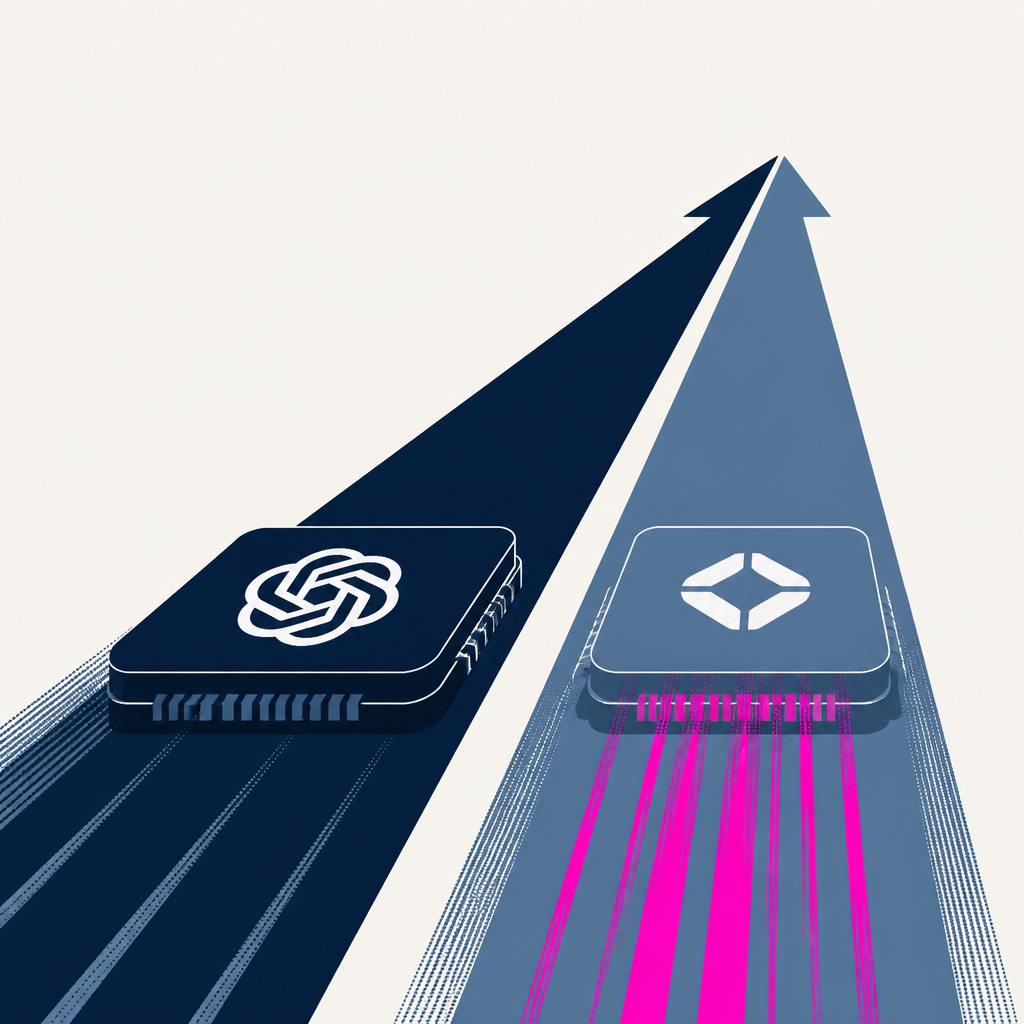
The numbers in the piece are uncomfortable for the U.S. story. Chinese citizens report 87% trust in AI, compared with 23% in the U.S. And adoption is not just about raw model quality either: Airbnb’s Brian Chesky said his company uses Alibaba’s Qwen because it is “very good,” fast and cheap, while OpenAI’s Sora deepfake trouble reportedly cost the company a $1 billion Disney licensing deal. The race is being decided less by showy demos than by whether people and companies actually want the thing in their lives.
My take — AI-written commentary, not fact-checked reporting
Silicon Valley still talks like compute is destiny, which is convenient if you sell compute. But the boring stuff wins: labels, redress, consumer trust, and rules that stop AI from acting like a cheerful little fraud machine. Europe and anyone else paying attention should stop apologising for regulation and start calling it infrastructure.
Read more about this at: Rest of World