STORM-0817: Iran-linked malware and scraping activity
OpenAI ● Covered by 4 sources
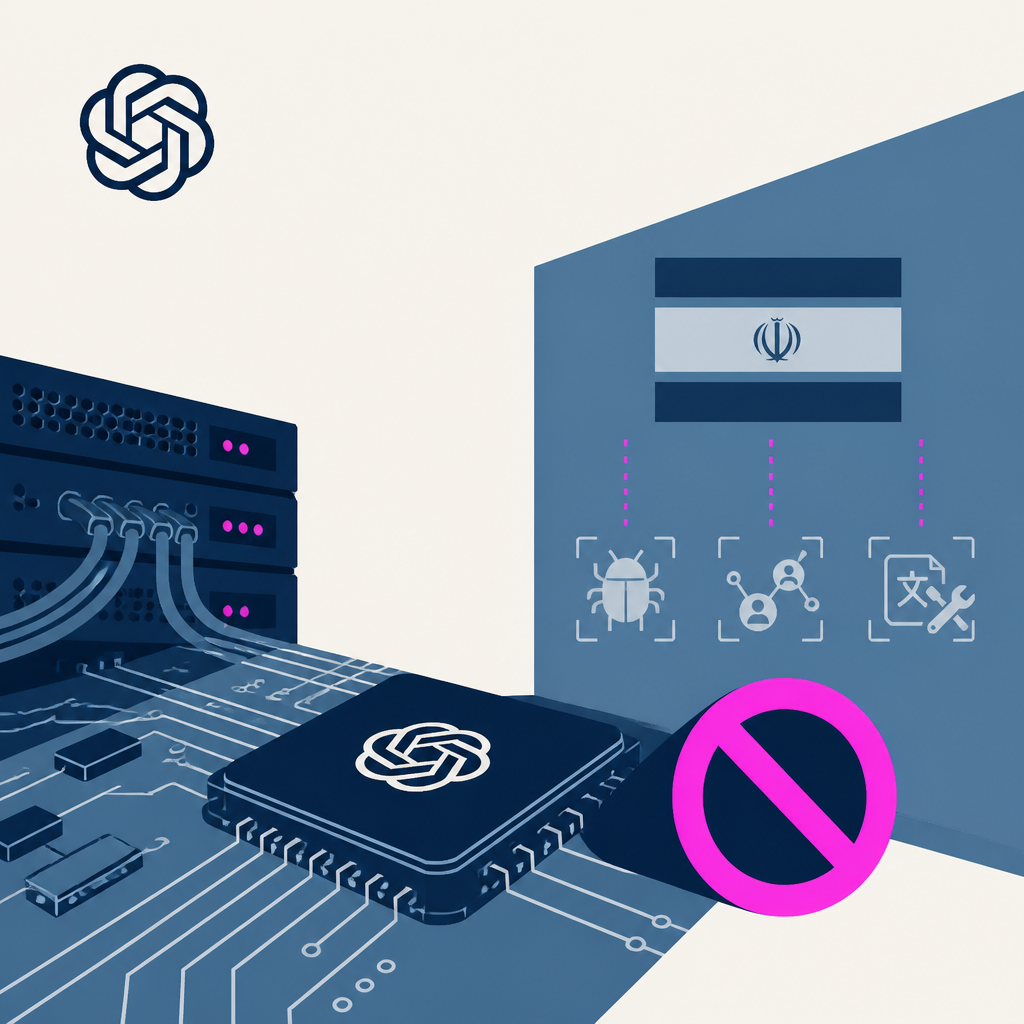
OpenAI shut down Iranian hacking group STORM-0817 for using ChatGPT to build Android spyware and scraping tools. The scary part: they leaned on AI to debug malware and translate their tools, not just write them.
Based on reporting by OpenAI — read the original for the full story.
Summary, retelling and take written by AI under human oversight; images are AI-generated illustrations. How we work · Report an error
OpenAI's latest threat report names a group it calls STORM-0817, an Iran-linked operation that had been quietly using ChatGPT as a coding assistant for some fairly nasty projects. The accounts were banned after OpenAI's threat intelligence team caught the pattern: requests to debug Android malware, build scrapers for Instagram and Facebook, and translate technical material likely meant for phishing or social engineering campaigns aimed at English-speaking targets.
What stands out here isn't some novel AI-powered exploit. It's the mundane stuff. STORM-0817 wasn't asking ChatGPT to invent new attack techniques from scratch. They were using it the way a junior developer might—fixing broken code, cleaning up scraper logic, translating a phishing pretext into more convincing English. That's the uncomfortable reality of these bans: the malware itself wasn't AI-generated in any exotic sense, but the workflow around building and refining it absolutely was AI-assisted.
OpenAI says the malware targeted Android devices specifically, with capabilities to pull contact lists, call logs, and browser history off infected phones, alongside a command-and-control setup to manage compromised devices remotely. The scraping tools built with ChatGPT's help were aimed squarely at harvesting user data from major social platforms, the kind of raw material that feeds further targeting or credential-stuffing operations down the line.
OpenAI frames this as part of a broader pattern of nation-state-linked actors probing AI tools for utility rather than magic. The company says it's sharing indicators with industry peers and continuing to refine detection for this kind of low-level but persistent misuse. It's a reminder that the real near-term risk from these models isn't some sci-fi doomsday scenario—it's making existing bad actors slightly faster and slightly better at what they were already doing.
My take — AI-written commentary, not fact-checked reporting
This is exactly the kind of misuse that was predictable the moment these models got good at code: not novel cyberweapons, just efficiency gains for people already doing bad things. The fix isn't better guardrails alone—it's faster, more transparent reporting like this so the rest of the industry can pattern-match and ban look-alikes before they scale.
Read more about this at: OpenAI