STORM-2035: Recidivist influence activity
OpenAI ● Covered by 5 sources
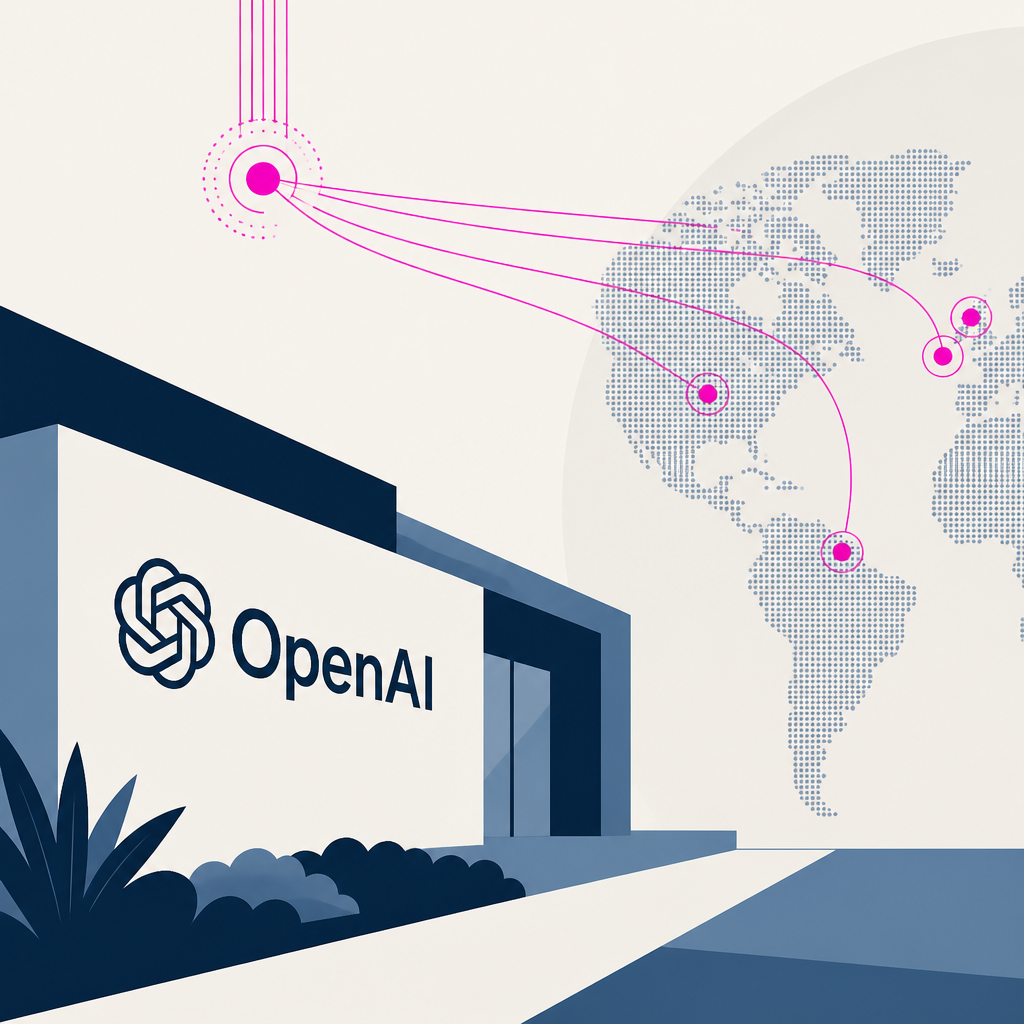
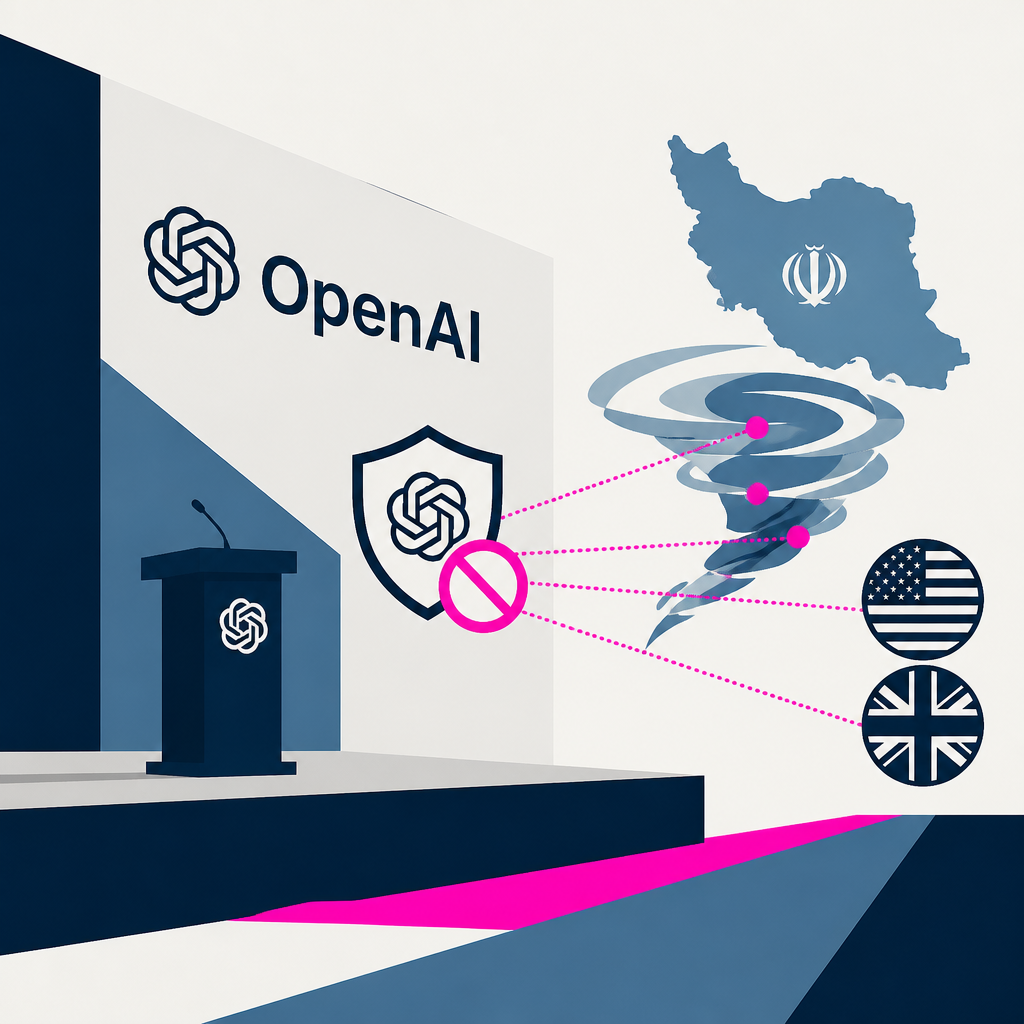
OpenAI banned a bunch of accounts tied to STORM-2035, an operation likely linked to Iran that used its AI tools to churn out political propaganda. Targets included the US, UK, Ireland, and Venezuela - so this wasn't some one-country side project.
Based on reporting by OpenAI — read the original for the full story.
Summary, retelling and take written by AI under human oversight; images are AI-generated illustrations. How we work · Report an error
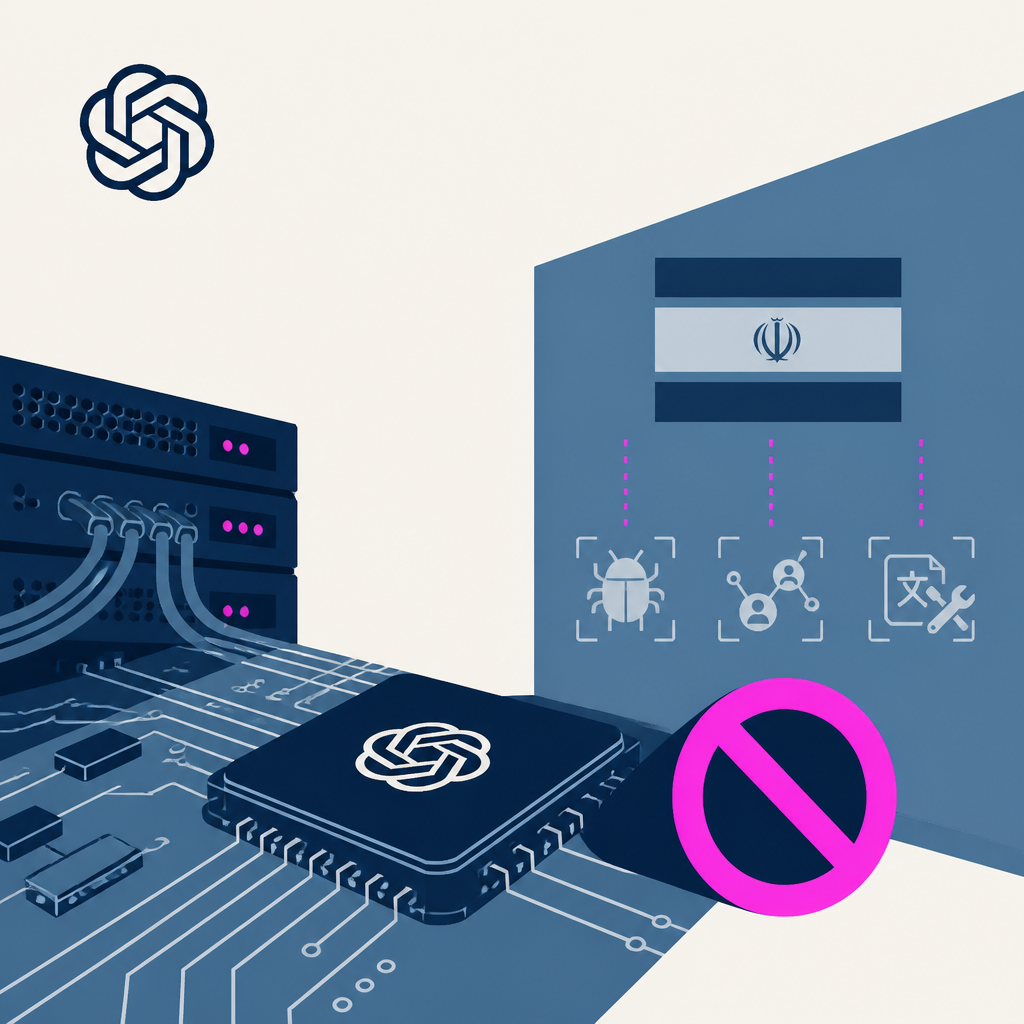
OpenAI's threat intelligence team caught STORM-2035 again, and if the name sounds familiar, that's because it should. This is a repeat offender. The group has been previously flagged for running covert influence campaigns, and this latest round shows they've simply swapped in generative AI tools instead of ditching the playbook entirely.
According to OpenAI, the accounts were using its models to draft content aimed at shaping political conversation in the US, UK, Ireland, and Venezuela. Four countries, four very different political climates, one operation apparently comfortable working all of them at once. That breadth is the part that should give people pause — this wasn't a narrow, single-issue push. It reads like an operation testing how far AI-assisted content generation can stretch across unrelated political contexts.
OpenAI says the accounts tied to STORM-2035 have been banned, which is the company's standard response when it identifies coordinated inauthentic activity. But banning accounts doesn't really solve the underlying problem, it just resets the clock. Groups like this tend to come back under new names, new accounts, slightly different tactics. The fact that STORM-2035 is a known, recurring actor suggests OpenAI is playing an ongoing game of whack-a-mole rather than closing a door for good.
What's notable here isn't the discovery itself — platforms have been fighting state-linked influence campaigns for years — it's that generative AI is now baked into the production pipeline for this kind of content. Writing convincing political messaging at scale used to require either a large team or a lot of time. Now it takes a subscription and a decent prompt. That shift is the real story, and it's one that content platforms, not just OpenAI, are going to be dealing with for a long time.
My take — AI-written commentary, not fact-checked reporting
I'll believe these bans matter when we start seeing real consequences beyond a company blog post, because right now this is basically catch-and-release for state-linked propaganda shops. The bigger issue nobody wants to say out loud: every AI company selling 'safety' is quietly becoming an arm of geopolitical content moderation, whether they signed up for that job or not.
Read more about this at: OpenAI