‘Reverse-Engineer Anything’ Is the New Wild West of AI
404 Media Jason Koebler ● Covered by 3 sources
People are using AI to clone and hack software on TVs, frames, baby monitors, and other devices. It’s a messy new way to strip ads and bloat, but it also spreads broken code fast.
Based on reporting by 404 Media, Jason Koebler — read the original for the full story.
Summary, retelling and take written by AI under human oversight; images are AI-generated illustrations. How we work · Report an error
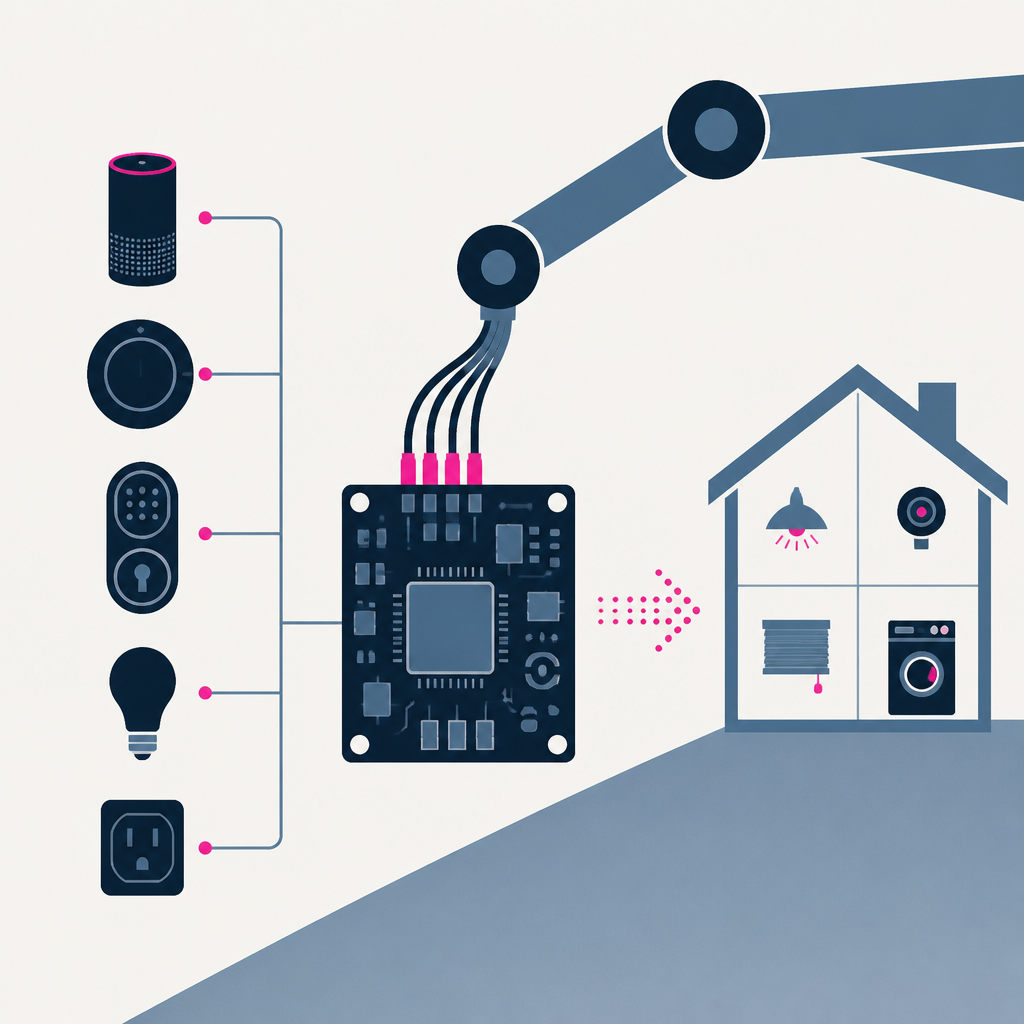
Over the weekend, a strange thing happened across the hobbyist internet: people started using AI to remake the software inside smart TVs and other gadgets, often to strip out ads, bloat, and locked-down features. What used to take careful reverse engineering and a lot of patience is now being handed to an agent and turned into something that looks like a shortcut. Sometimes the target is a TV. Sometimes it’s a baby monitor. Sometimes it’s a bricked Lululemon mirror.
The pattern is the same. People are taking proprietary devices that were abandoned, or software that feels overly locked down, and using AI to deconstruct it, copy it, or swap it out. One X post that spread widely said a TV had been stripped of 25 Xiaomi packages after Claude Code was told the model number and asked to work through the device on Wi-Fi. Another person on Hacker News said they had one-shot decompiled three competitors’ guitar pedal algorithms in 72 hours. That sort of bragging is exactly the point now: the tool does not just help you build from scratch, it helps you rebuild what someone else already made.
That is why the new project called Reverse Engineer Anything took off so fast. Its pitch is blunt: point it at an app, have the agent inspect it without source code, explain how it works, and build a version for your project. The repository has more than 342,000 stars, and it sits in the middle of a broader wave of AI clones that has already touched Adobe Creative Cloud, Microsoft Office, and hundreds of video games.
There’s a real tension here. Open source communities have spent years bringing dead hardware back to life and finding legal ways to repair locked devices. But the new AI layer lowers the barrier so much that a lot more people can do it, faster, and with far less understanding of what they’ve built. Mike Nolan, who studies open source politics, said the barrier to recreating software is lower and that this could push software-as-a-service into trouble, even if the resulting clones are often unreliable.
And that unreliability is the part that should worry people most. Badly copied software does not stay politely in a GitHub repo. It gets installed on hardware, pushed into products, and used by people who do not know how to fix it when it breaks. The likely result is not neat rebellion against bloated tech. It is a lot more half-working code, and a lot more of it ending up where it shouldn’t be.
My take — AI-written commentary, not fact-checked reporting
This is the AI era’s most honest scam: people are calling it repair, but half the time it’s just copying with extra steps. Open source already proved you can free locked-up hardware without pretending the machine has become wise. Now the same trick is being sprayed across the internet with worse code and better marketing.
Read more about this at: 404 Media