
Researchers use AI to design proteins that cut up other proteins
Ars Technica John Timmer
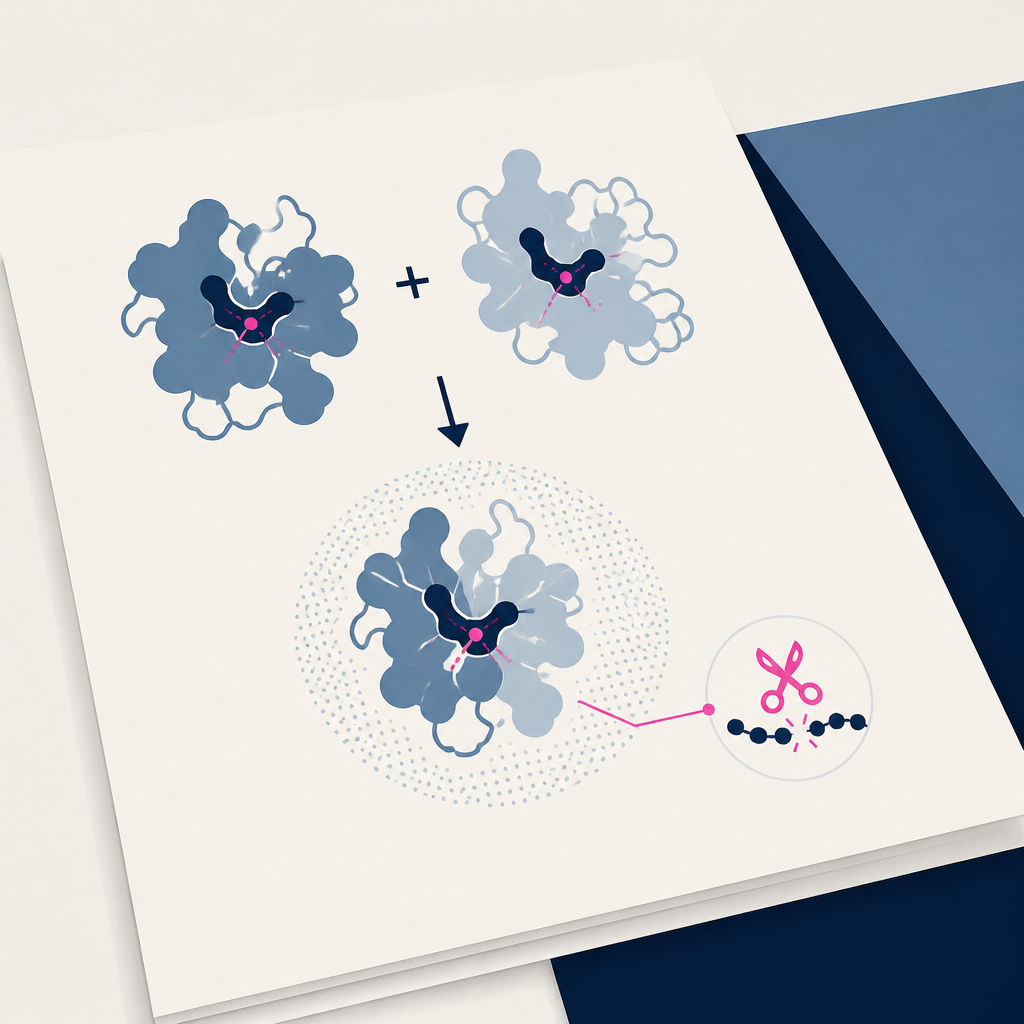
AI helped redesign proteases that can cut specific proteins. Researchers swapped out most of the enzyme and kept the cutting core.
Based on reporting by Ars Technica, John Timmer — read the original for the full story.
Summary, retelling and take written by AI under human oversight; images are AI-generated illustrations. How we work · Report an error
Proteins are built from amino acids linked by peptide bonds, and those bonds are stubbornly stable on their own. In the environment, though, proteins usually don’t stick around for centuries. Living things have spent a long time evolving enzymes that can break them apart, and that family has splintered into all kinds of specialized proteases.
The new work skips that slow evolutionary sprawl. Researchers used AI-based protein design tools to keep the catalytic core from two protease types and replace the rest of each protein. That is a pretty dramatic edit. Instead of taking a natural enzyme and nudging it, they essentially rebuilt most of it from scratch.
The result was a set of enzymes that could be tuned to cut chosen proteins in half. To show they worked, the team used them against proteins tied to neurological diseases. That’s the useful bit here: not just that the enzymes cut, but that they could be aimed.
It is an elegant shortcut. Nature’s proteases got to their variety by trial, error, and a lot of time; this approach starts from a known catalytic engine and lets AI design the surrounding protein around the job you want done. The source doesn’t claim this has solved protein degradation wholesale. It does show that AI can help compress a process that evolution usually handles in pieces.
My take — AI-written commentary, not fact-checked reporting
This is the kind of AI story that actually deserves attention: not chatbots pretending to have a soul, but models helping engineers cut straight to a working molecule. The useful future of AI is less flashy and more surgical, which is annoyingly good news for everyone who likes medicine to work. Closed models can keep their demo reels; biology is where the real scorecard lives.
Read more about this at: Ars Technica
Related stories
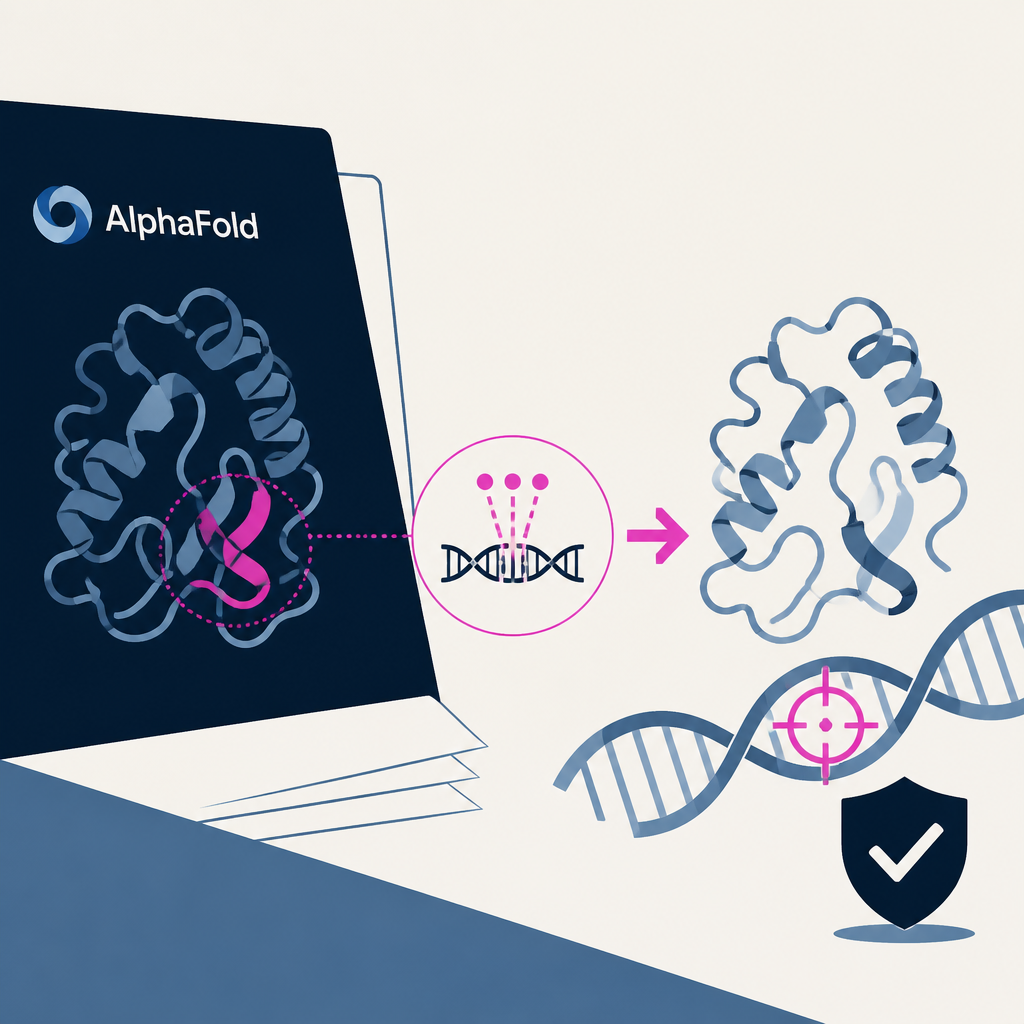 Team uses AlphaFold AI to redesign gene-editing proteins to make them safer
Ars Technica · 2 months ago ·
47
Team uses AlphaFold AI to redesign gene-editing proteins to make them safer
Ars Technica · 2 months ago ·
47
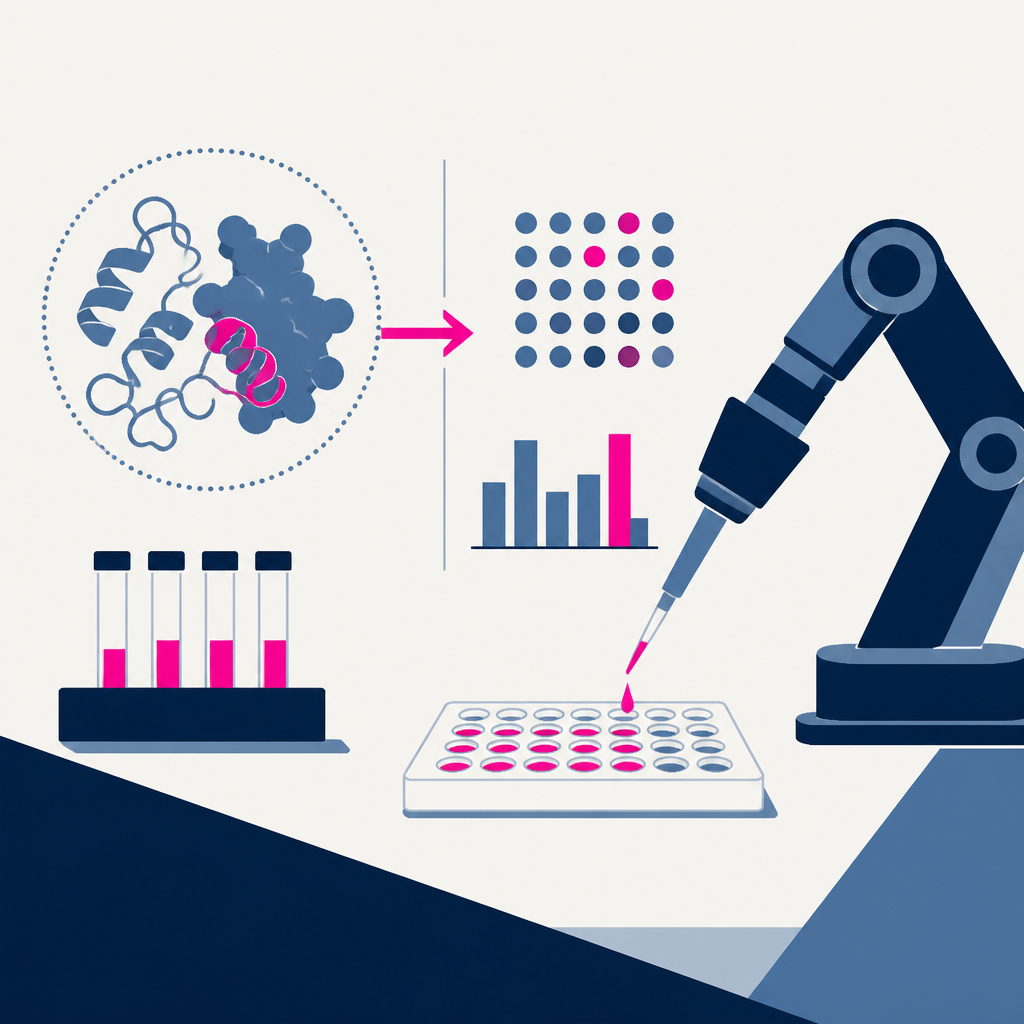 From In-Silico to Wet-Lab: Evaluating AI Protein Design Performance
MarkTechPost · 1 month ago ·
33
From In-Silico to Wet-Lab: Evaluating AI Protein Design Performance
MarkTechPost · 1 month ago ·
33