OneCLI
GitHub
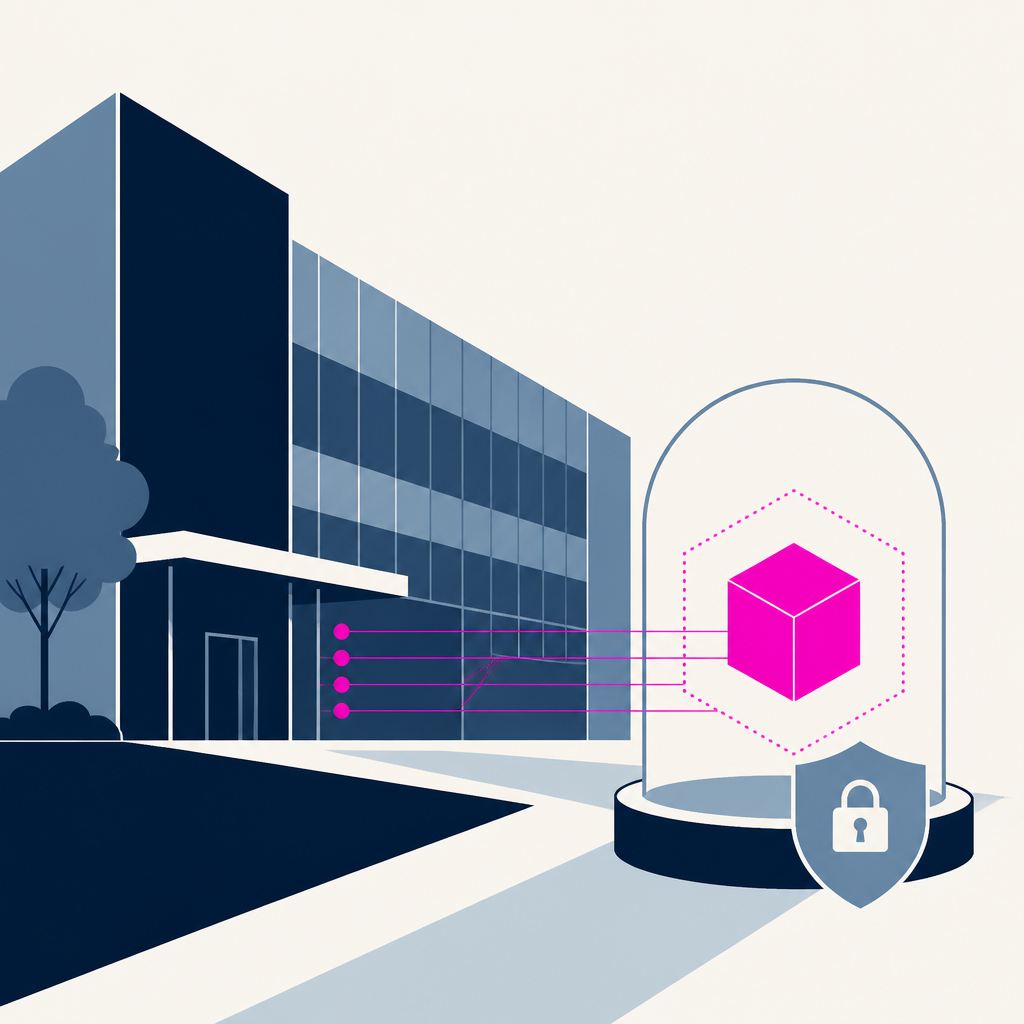
OneCLI is a new open-source gateway that hides real API keys from AI agents. Agents get fake keys, the gateway swaps in the real ones — so a compromised agent can't leak your credentials.
Based on reporting by GitHub — read the original for the full story.
Summary, retelling and take written by AI under human oversight; images are AI-generated illustrations. How we work · Report an error
Every team building AI agents eventually hits the same ugly problem: agents need to call a dozen different APIs, and the easiest way to let them do that is to hand them real API keys. That's also the fastest way to end up with a rogue agent, a bad prompt injection, or a leaked log file exposing your Stripe or AWS credentials to the internet. OneCLI, a new open-source project, is built specifically to close that gap.
The idea is simple and the execution is where it gets interesting. You store your actual credentials once inside OneCLI, then give each agent a placeholder like FAKE_KEY instead of anything real. When the agent fires off an HTTP request, it doesn't go straight to the target API — it goes through OneCLI's gateway first. That gateway, written in Rust for speed and memory safety, matches the request against host and path patterns, decrypts the right secret from an AES-256-GCM encrypted store, and swaps the placeholder for the real credential before the request continues on its way. The agent never sees so much as a character of the actual key.
On top of the gateway sits a Next.js dashboard running on port 10254, where you create agents, manage secrets, and set permissions. Each agent gets its own scoped access token, authenticated via Proxy-Authorization headers, so a breach in one agent doesn't hand over the keys to everything else. There's also a nod to real-world workflows: OneCLI can hook into Bitwarden or other password managers for on-demand injection, meaning secrets don't even have to live on the OneCLI server itself if you don't want them to.
Getting it running is refreshingly low-friction — a single curl command spins up the whole stack, app and PostgreSQL included, in single-user mode with no login required. Flip on NEXTAUTH_SECRET and Google OAuth credentials later if you need multi-user support for a team. The whole thing is Apache-2.0 licensed, which matters given what it's asking teams to trust it with.
My take — AI-written commentary, not fact-checked reporting
This is exactly the kind of boring, unglamorous infrastructure the agent boom desperately needs more of — nobody's writing viral threads about credential injection gateways, but everyone building agent fleets should be running one. The MITM-style HTTPS interception is the part I'd actually scrutinize before deploying it anywhere near production, since a gateway that decrypts and re-injects secrets is itself a juicy target. Open-sourcing it under Apache-2.0 is the right call, though — this is a category where you want eyes on the code, not blind trust in a vendor's promises.
Read more about this at: GitHub