
Meta settles with the states over child safety failures
Platformer Casey Newton ● Covered by 4 sources
Meta cut a deal with 47 states over child safety failures. It will cap teen screen time and hide some features, but still won’t admit wrongdoing.
Based on reporting by Platformer, Casey Newton — read the original for the full story.
Summary, retelling and take written by AI under human oversight; images are AI-generated illustrations. How we work · Report an error
Meta has agreed to a settlement worth up to $17.1 billion with 47 US states, the District of Columbia and US territories over allegations that it violated child privacy and consumer protection laws. The deal comes out of a federal case in Oakland and would end a trial that had put some eye-watering numbers on the company’s exposure. California, Colorado, Kentucky and New Jersey had been seeking roughly $200 billion before the settlement was filed on Wednesday.
The agreement reaches into the product design Meta has long treated as its core business advantage. Teens on Facebook and Instagram would be limited to two hours a day combined, blocked from most app features between midnight and 6 a.m., and cut off from nonessential push notifications on school days from 8 a.m. to 3 p.m. The familiar “take a break” prompt, which almost nobody used when it was opt-in, will now turn on by default after 15 minutes of scrolling.
Meta is also being forced to make one of its old experiments the default. Like counts will be hidden for teens, reviving a 2020 test known as Project Daisy after internal research suggested that fewer likes were linked to worse mental health for some teen users, especially girls. The company had said the results were inconclusive, but state attorneys general said Meta estimated the change would dent ad revenue by 1 percent and still chose not to make it standard.
Another part of the settlement could matter beyond Meta itself: an independent social media research foundation, with data shared from users who consent. Meta slashed internal research and data sharing after the Frances Haugen disclosures in 2021, so any genuinely independent access would be a shift. But the company is still trying to condition some of the changes on whether YouTube, TikTok and Snap also make similar moves, and it says the full $17.1 billion only gets paid if those companies also settle their own cases and agree to product changes.
That stance says everything. Meta is presenting a court-imposed cleanup as industry leadership, which is classic Silicon Valley: get caught, rename the damage control, and ask for applause. The real story is simpler — regulators are finally treating product design as something that can be punished, and Meta knows its teen-engagement machine has started to look expensive enough to tame.
My take — AI-written commentary, not fact-checked reporting
Meta has discovered the ancient corporate art of calling a forced retreat a bold new standard. Fine, but the better sign is that regulators are no longer pretending harmful product design is just vibes and user choice. The company can keep blaming rivals if it wants; that’s usually what a firm does when its own house is on fire.
Read more about this at: Platformer
Related stories
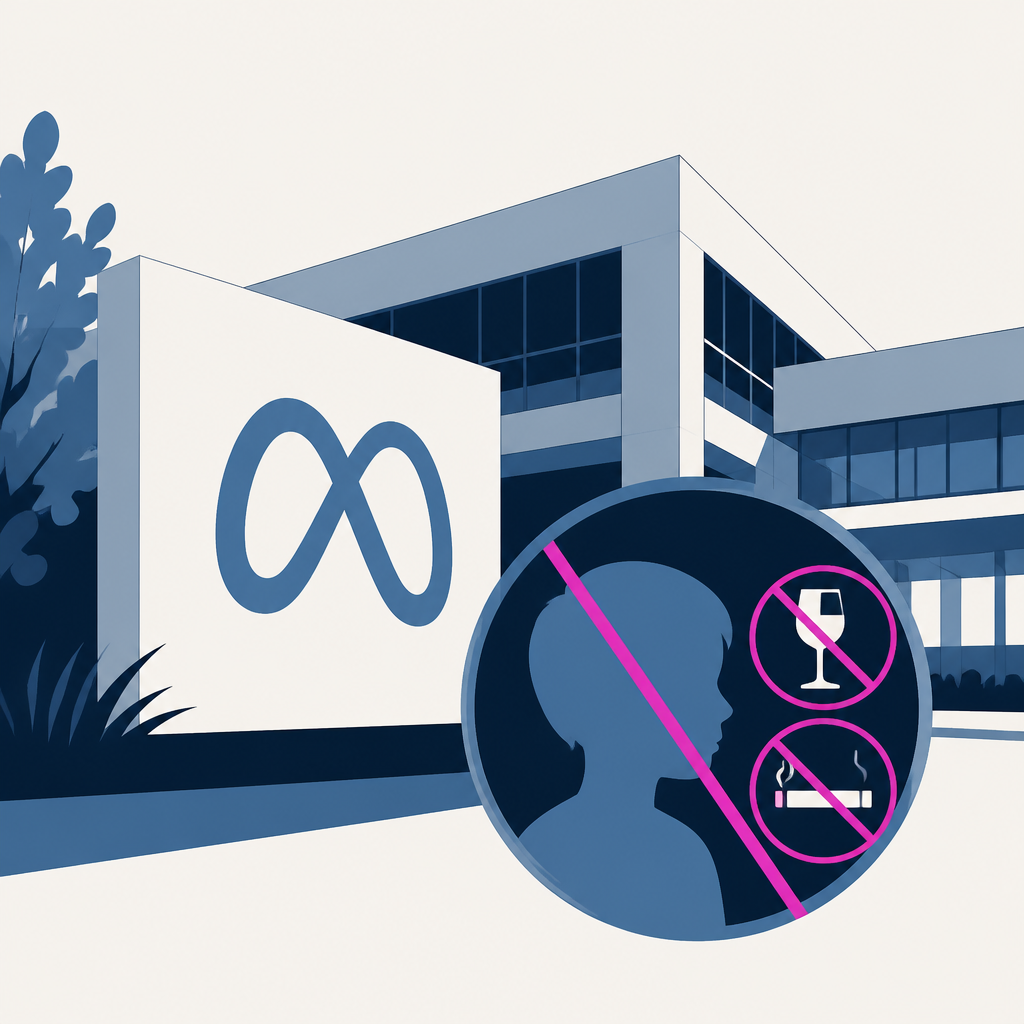 'You only get like two hours of alcohol or two hours of cigarettes a day': Former Meta engineer on child safety settlement
Fortune ·
25
'You only get like two hours of alcohol or two hours of cigarettes a day': Former Meta engineer on child safety settlement
Fortune ·
25
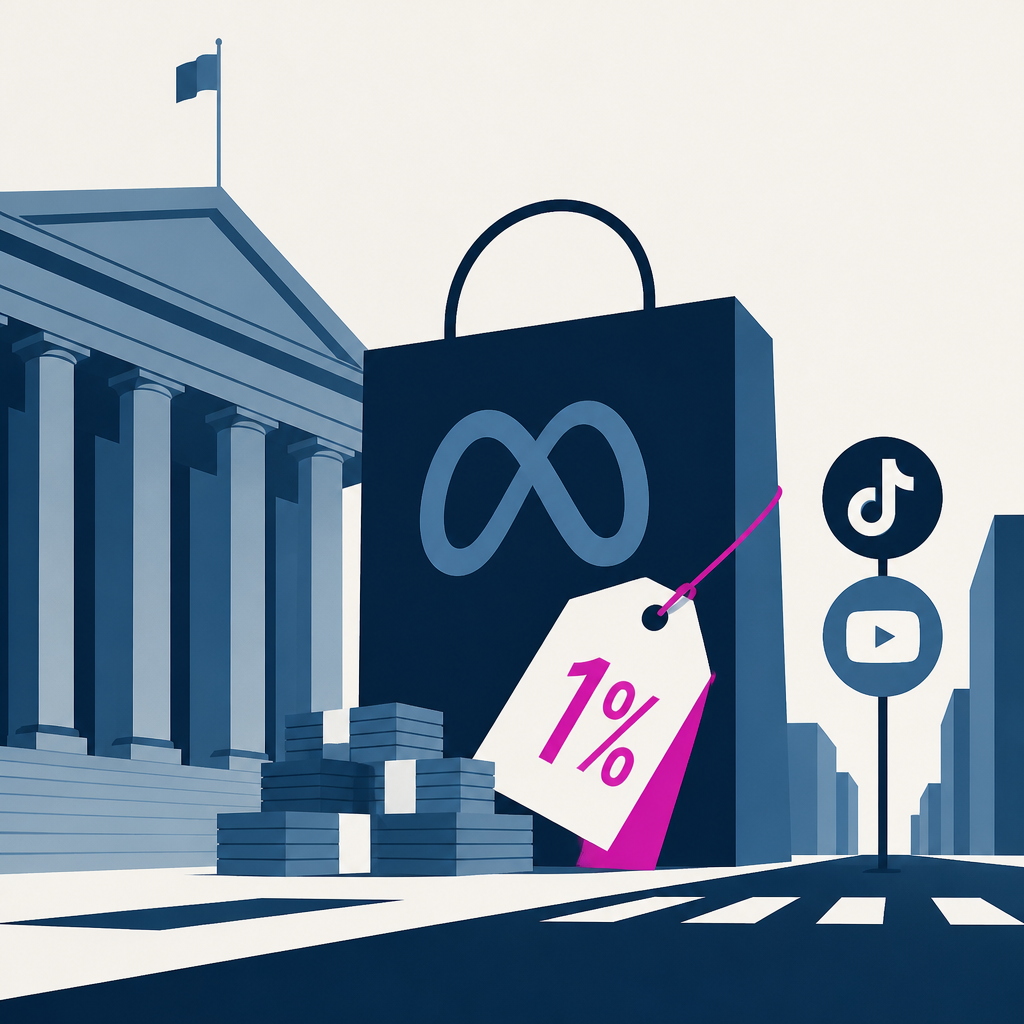 Meta's $17 billion teen safety settlement is really a 1% tax — and a play to box in TikTok and YouTube
Fortune ·
41
Meta's $17 billion teen safety settlement is really a 1% tax — and a play to box in TikTok and YouTube
Fortune ·
41
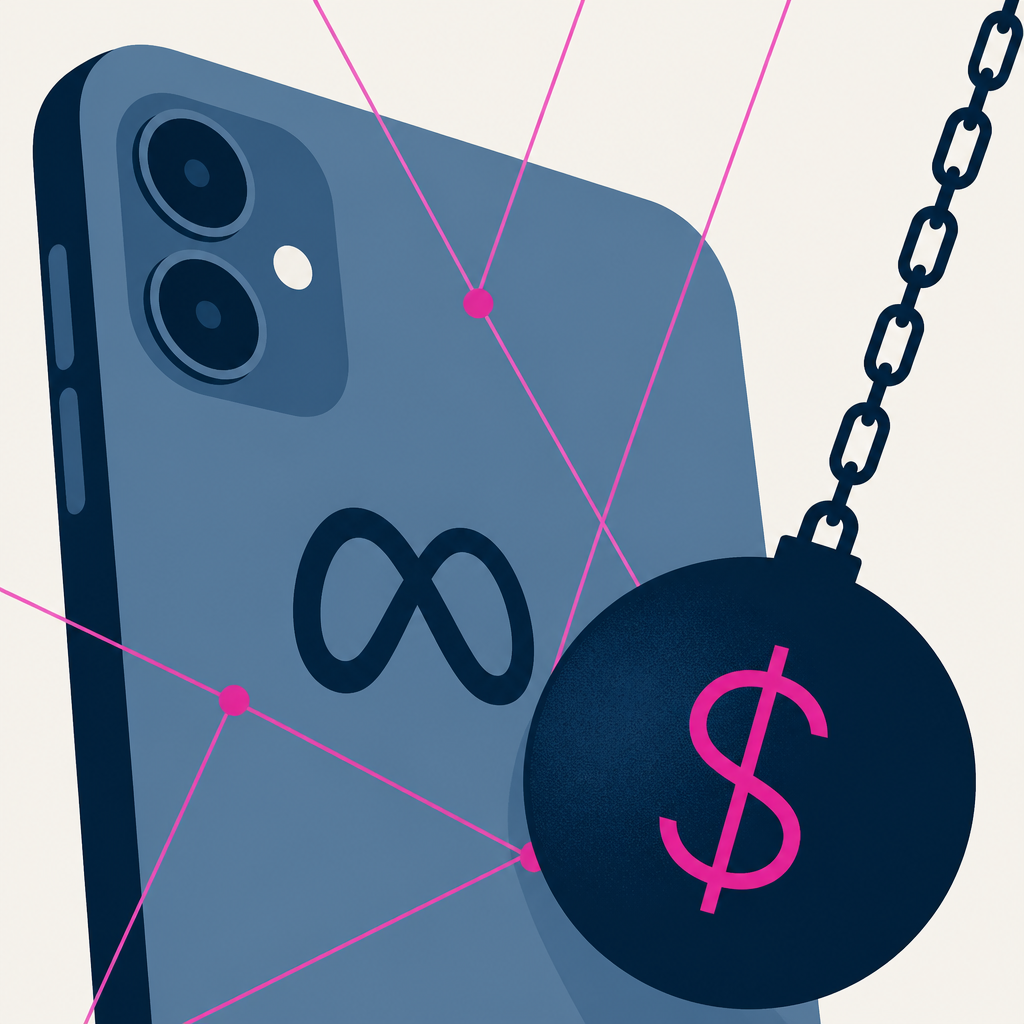 A flawed system and one man's hubris cost Meta shareholders $17 billion
Fortune ·
50
A flawed system and one man's hubris cost Meta shareholders $17 billion
Fortune ·
50