Meta's $17 billion teen safety settlement is really a 1% tax — and a play to box in TikTok and YouTube
Fortune The Conversation ● Covered by 2 sources
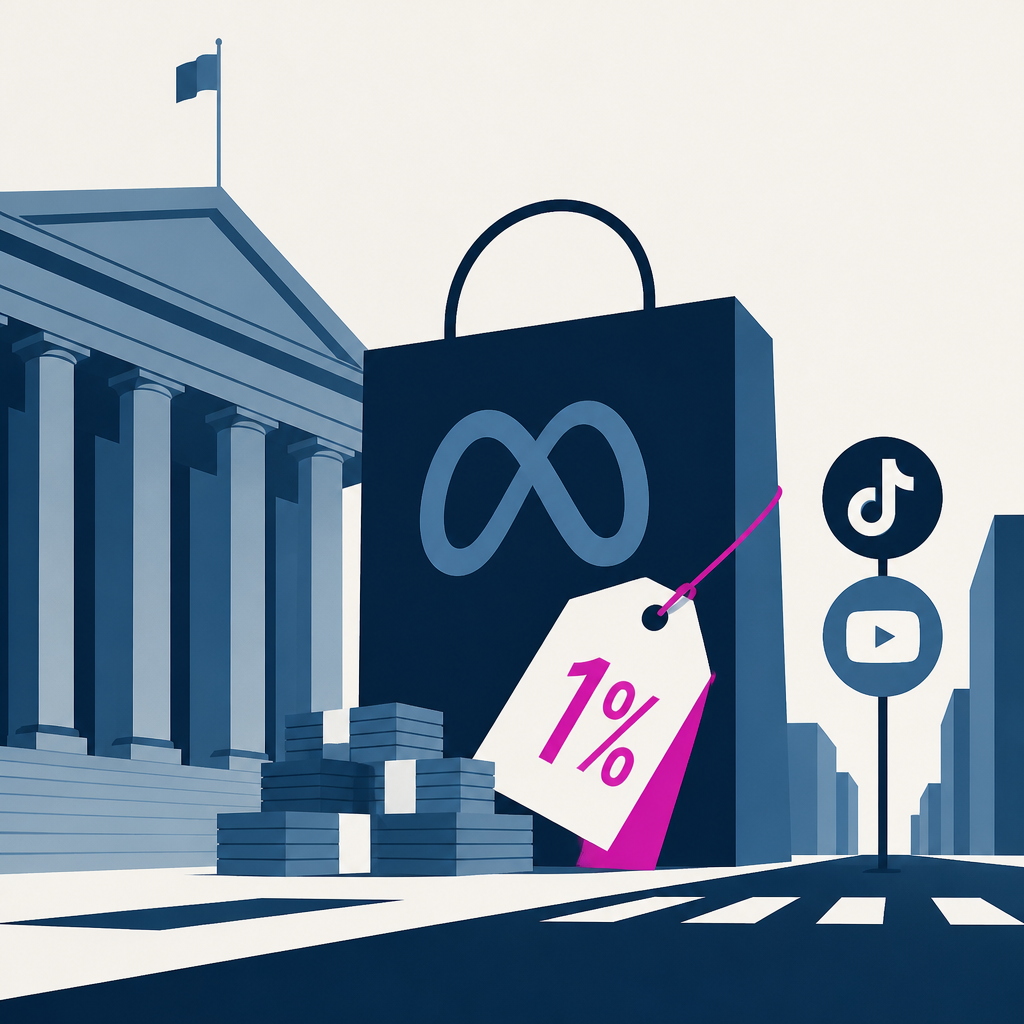
Meta agreed to pay up to $17 billion over 10 years over teen safety claims. The real prize is the redesign: time limits, fewer pings, and a shot at boxing in TikTok and YouTube.
Based on reporting by Fortune, The Conversation — read the original for the full story.
Summary, retelling and take written by AI under human oversight; images are AI-generated illustrations. How we work · Report an error
Meta has agreed to pay up to $17 billion over 10 years to settle claims from a bipartisan group of state attorneys general, ending a federal trial in Oakland, California, just as it was getting started. The states said Facebook and Instagram were built to keep children hooked, that Meta downplayed the damage, and that it collected data from children under 13 without permission. Meta still denies wrongdoing, and the deal still needs a judge’s approval.
This wasn’t just about money. The states had argued that the company’s potential exposure could run into the hundreds of billions, and Meta’s stock took a hit as the case moved forward. The $17 billion figure looks huge in isolation, but spread across a decade it works out to roughly 1% of Meta’s expected revenue over the same period. That’s why the design terms matter more than the check.
The settlement grew out of lawsuits filed in 2023 by 29 state attorneys general after a nationwide investigation that began in 2021. The allegations went after the mechanics of the apps: infinite scroll, autoplay, push alerts, likes, and filters that change appearance. The states also pointed to Meta’s own research on links between Instagram use and depression, anxiety, and body-image concerns, while the company was allegedly telling the public a softer story.
The agreement now on the table would change the default experience for teens under 18 on Instagram and Facebook in participating states. It includes a two-hour daily time limit across both apps and multiple accounts, a midnight-to-6 a.m. block that only a parent can lift, muted notifications during school hours, prompts after every 15 minutes of nonstop scrolling, a non-algorithmic feed option, autoplay turned off by default unless a parent changes it, hidden like counts, limits on cosmetic surgery and extreme makeup filters, and stronger age-detection systems for under-13 accounts.
And that is the point. The states didn’t sue over user posts, which would have run into the usual Section 230 defenses. They sued over Meta’s own product design and business practices. There are still other cases active in Los Angeles and New Mexico, but this settlement is the first big swing at the architecture of the apps themselves. It also leaves a public record only half-built: a trial that stopped before the evidence could fully come out, and a decade-long compliance fight that will now happen mostly outside the courtroom.
My take — AI-written commentary, not fact-checked reporting
Meta didn’t just buy peace; it bought the chance to set the rules before TikTok and YouTube get hit with the same hammer. That’s classic platform behavior: turn a penalty into a market-making move and call it responsibility. The part people keep missing is that the real fight is not the money, it’s whether the defaults actually stick once the press releases fade and the lawyers stop clapping.
Read more about this at: Fortune