'You only get like two hours of alcohol or two hours of cigarettes a day': Former Meta engineer on child safety settlement
Fortune The Associated Press ● Covered by 2 sources
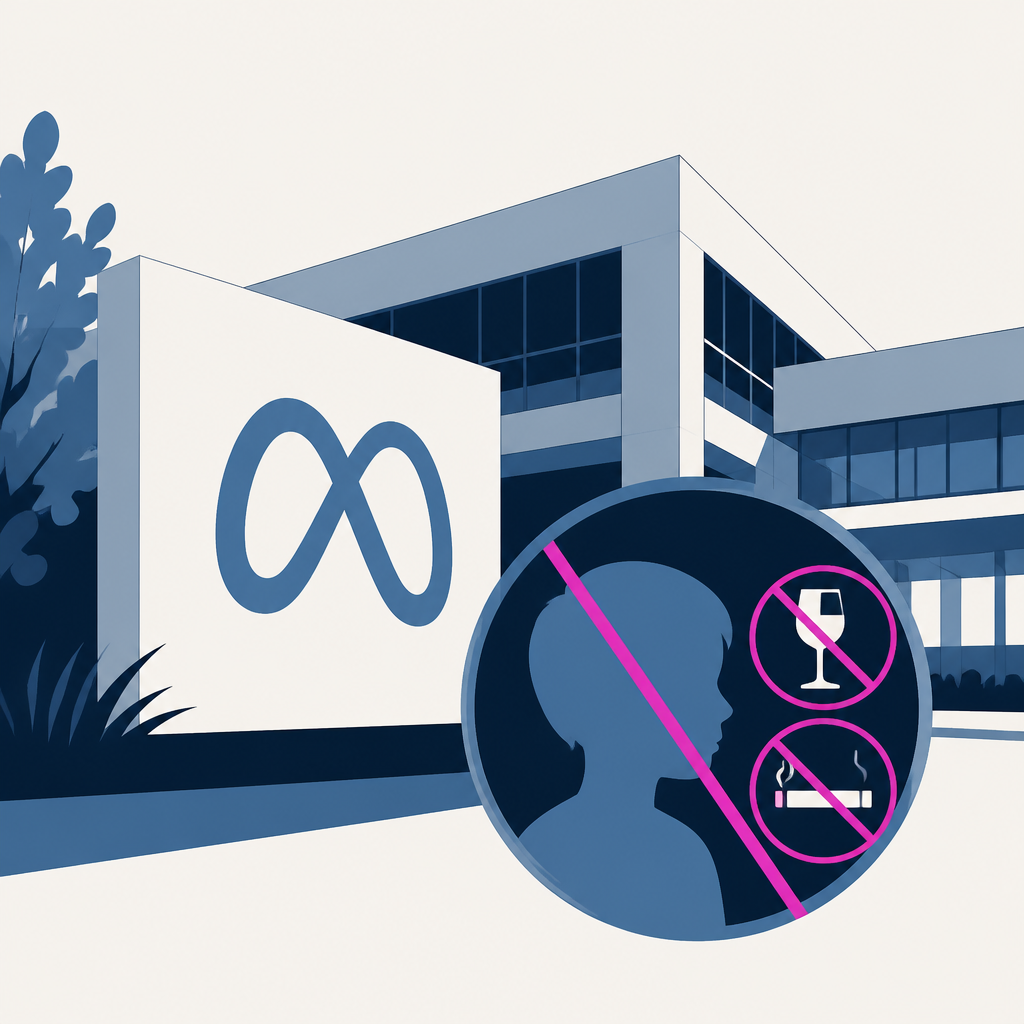
Meta struck an $18 billion child-safety deal with 48 states. Teens get default limits, age checks, and a two-hour cap — but critics say the core design still bites.
Based on reporting by Fortune, The Associated Press — read the original for the full story.
Summary, retelling and take written by AI under human oversight; images are AI-generated illustrations. How we work · Report an error
Meta has agreed to an $18 billion settlement with 48 U.S. states, and the changes go well beyond a check written over a decade. For kids under 18, the company says it will tighten age checks, move minors into age-appropriate accounts, cap use at two hours a day, block access from midnight to 6 a.m., and hide like counts. The new rules apply only in the United States, and most are meant to last 10 years.
The deal is being sold as a major child-safety reset, but the people who have spent years fighting Meta are not calling it a cure. Arturo Béjar, a former Meta engineering director and the first witness in the federal trial that was cut short by the settlement, said it is a meaningful step. He also said parents should not mistake it for Instagram suddenly becoming safe. His complaint is not just about screen time. It is about what the apps feed teens in the first place.
That’s the sharp edge here: Meta can tell a teenager to stop after two hours, but the teenager may still spend those hours getting pulled deeper by recommendations that keep them hooked. Béjar compared the limit to giving someone two hours of alcohol or cigarettes a day. The point was blunt. The platform can still be damaging if the underlying content delivery stays the same.
Meta says it will improve age detection using both its own tools and third-party systems, with outside audits and specific targets for false positives, meaning minors flagged as over 18. If a child is identified as under 13 and removed, the company will also check the ages of that user’s friends. For adults, some controls will be available individually, like daily time-limit reminders, but they won’t be able to switch into the full teen settings.
Not every safeguard is locked on by default. The two-hour limit and the overnight block are, unless a parent turns them off. But other measures, including disabling autoplay or forcing posts into chronological order, still depend on opt-in. Critics say that keeps too much power in the hands of families and not enough on the platform itself, especially when recommendation systems can push kids toward bad places fast.
My take — AI-written commentary, not fact-checked reporting
This is the familiar Silicon Valley move: promise the controls, keep the funnel. Age checks and time limits are useful, but they are not a substitute for turning down the machinery that keeps feeding kids more of the same. A company can’t run a giant attention engine and act surprised when a two-hour rule looks like safety instead of wallpaper.
Read more about this at: Fortune