
A flawed system and one man's hubris cost Meta shareholders $17 billion
Fortune Andrew Behar
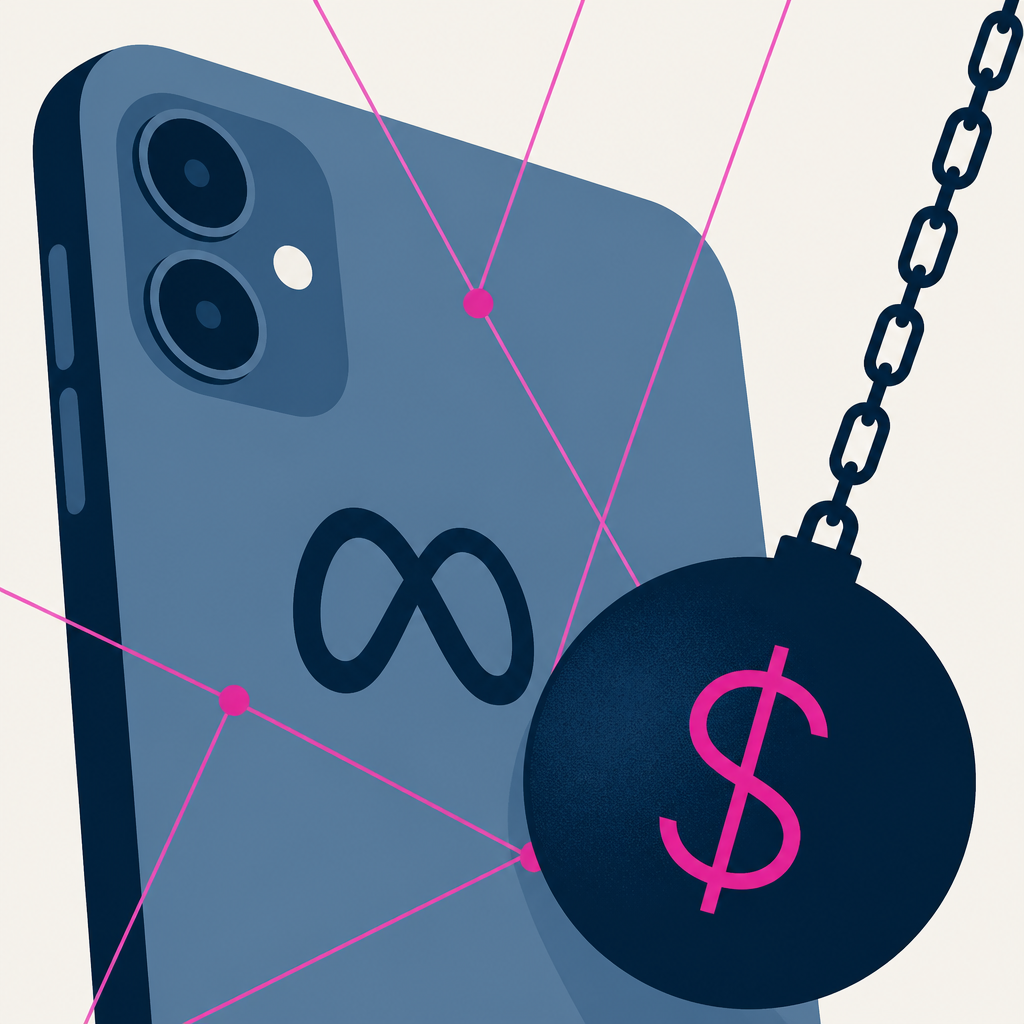
Meta may pay up to $17.1 billion over claims Instagram and Facebook hurt kids. The bigger issue: Zuckerberg’s voting power let shareholders ignore warnings for years.
Based on reporting by Fortune, Andrew Behar — read the original for the full story.
Summary, retelling and take written by AI under human oversight; images are AI-generated illustrations. How we work · Report an error
Meta has agreed to pay up to $17.1 billion to settle claims from 47 states and thousands of families who say Facebook and Instagram were built to addict children. That sounds like a giant number, and it is. But the deeper problem in this story is control: Mark Zuckerberg gets 10 votes for every share ordinary holders own, and even with only about 13% of the company, he holds roughly 61% of the voting power.
That gap between economic risk and voting power is what critics say let Meta barrel past years of warnings. In 2019, As You Sow filed a shareholder resolution pointing to more than 45 million images of child sexual abuse and torture tied to sex trafficking on Facebook. It kept coming back with resolutions for five straight years, pushing for better platform controls, self-regulation, and protections for users, employees, and shareholders.
The pressure did not stop there. In 2020, faith-based investors brought a sex-trafficking survivor to Meta’s annual meeting. The woman said she was groomed on Facebook between ages 15 and 18 before being trafficked. That same year, the group filed the “Reboot Facebook” proposal, asking for account verification, removal of abuse images, and a stop to political ads carrying known lies.
By 2021, a content-governance resolution won 63.1% of the independent shareholder vote. But once Zuckerberg’s extra votes were counted, the headline result was 19%. Two-thirds of the owners who actually bear Meta’s financial risk wanted action. They lost anyway.
The settlement may not be the end of it. The plaintiffs’ own models put damages in the trillions, and this deal is spread over 10 years. If YouTube and TikTok do not join, Meta’s share drops to about $12 billion and the teen safeguards never kick in. Meta’s lawyers also said they shaped the terms to set an “industry standard,” which is a polite way of saying they wanted to write the rulebook themselves.
That is why this looks less like a clean resolution than a managed escape hatch. Meta has already lost two New Mexico cases this year, for $375 million in March and $567 million in August, and a Los Angeles jury found Meta and Alphabet negligent in platform design. Thousands of suits are still pending, with trials resuming in October. The company may have bought time. It did not buy peace.
My take — AI-written commentary, not fact-checked reporting
Dual-class control is a neat trick if the goal is to turn shareholder democracy into a hobby. When one person can override the people who pay the bills, don’t act shocked when the bill arrives with interest. The SEC should be making that harder, not helping silence the people left holding the bag.
Read more about this at: Fortune
Related stories
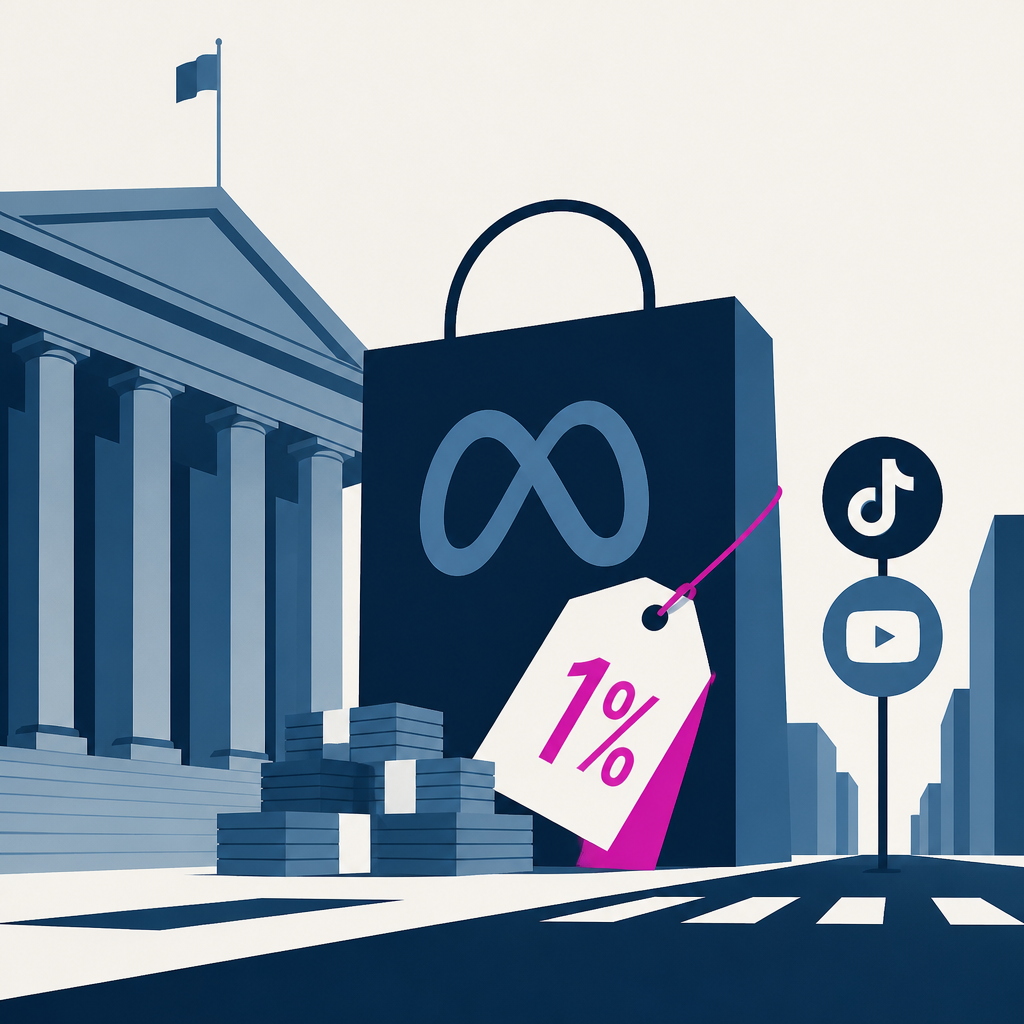 Meta's $17 billion teen safety settlement is really a 1% tax — and a play to box in TikTok and YouTube
Fortune ·
41
Meta's $17 billion teen safety settlement is really a 1% tax — and a play to box in TikTok and YouTube
Fortune ·
41
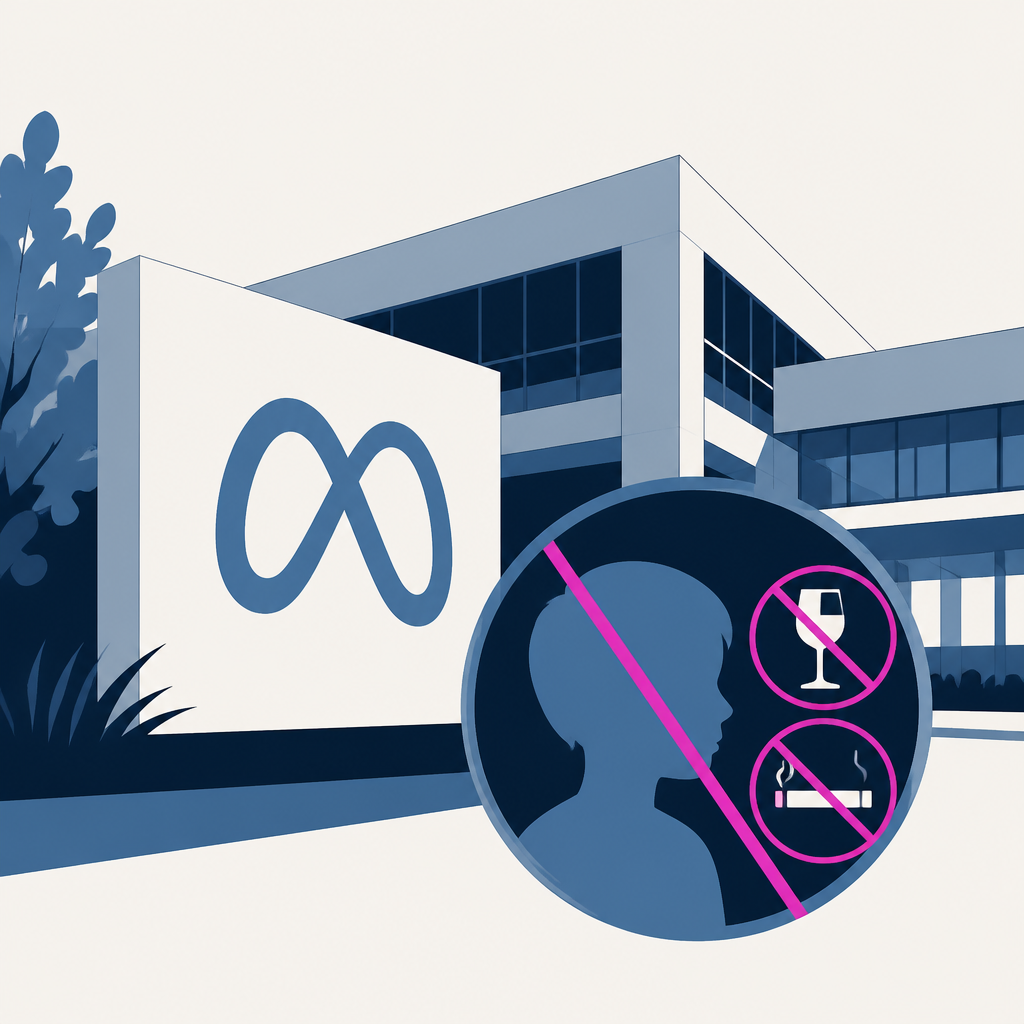 'You only get like two hours of alcohol or two hours of cigarettes a day': Former Meta engineer on child safety settlement
Fortune ·
25
'You only get like two hours of alcohol or two hours of cigarettes a day': Former Meta engineer on child safety settlement
Fortune ·
25