
'I told you so': China's chip sector is making breakthroughs—and U.S. export controls are the reasons why
Fortune Nicholas Gordon
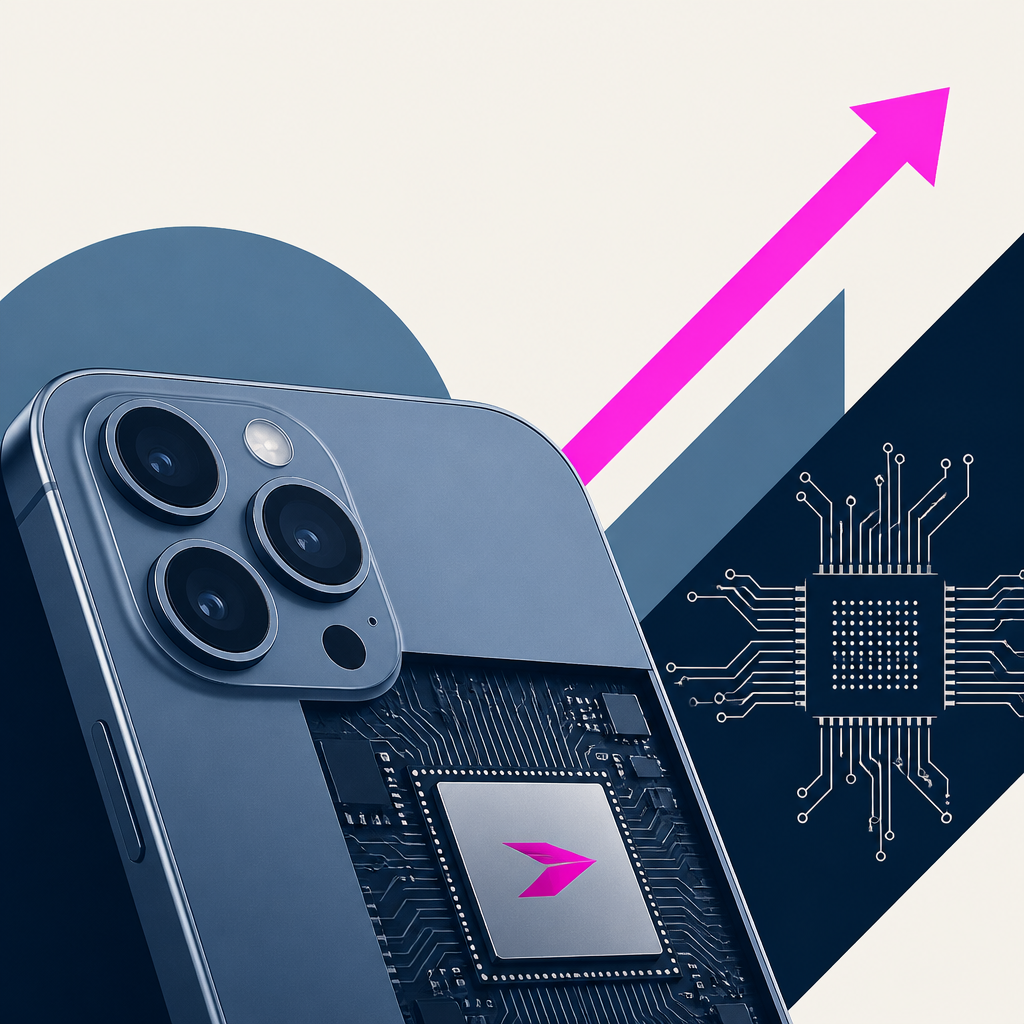
China’s chip makers are closing in, despite U.S. export controls. The clampdown may have done the opposite: pushed Beijing to build its own stack.
Based on reporting by Fortune, Nicholas Gordon — read the original for the full story.
Summary, retelling and take written by AI under human oversight; images are AI-generated illustrations. How we work · Report an error
Rakesh Kumar has been warning Washington about this for years, and now he sounds less like a contrarian than a man reading the scoreboard. Four years after the U.S. started tightening export controls on advanced chips and chipmaking gear, China’s processors are narrowing the gap with American rivals, and some Chinese AI models are already close to the U.S. best.
Kumar’s core point is blunt: the controls were built around the wrong problem. Most AI uses — robotics, smart cameras and the like — do not need the most advanced silicon. By blocking access, Washington gave Beijing a strong reason to pour money into domestic alternatives. Huawei is the clearest example. Once treated as barely alive under sanctions, it is now shipping premium phones and AI processors, and on Oct. 13 said it had delivered more than 100 million devices powered by its Kirin chips since 2023.
The software side is moving too. Kumar says Chinese models are now “very, very close” to U.S. models on performance. DeepSeek and Z.ai have adapted their flagship systems to run on Huawei’s Ascend processors, while Meituan said in June that it trained a 1.6-trillion-parameter model entirely on chips made in China. Meanwhile, IDC data cited by Reuters showed Nvidia’s share of China’s data center chip market falling to 34% in the first half of 2026, with shipments of its AI accelerators down 44% from a year earlier.
There’s also a hardware adaptation story here, because China still lacks access to ASML’s extreme ultraviolet machines. Dutch export licenses for those tools have been withheld since 2019 under U.S. pressure, forcing fabs like SMIC to work with less advanced deep ultraviolet machines and squeeze more out of older gear. Huawei is going another way, stacking chips in three dimensions and pitching what it calls the “Tau Scaling Law,” with a target of 1.4-nanometer-equivalent chip density by 2031.
But Kumar draws a hard line between strategic progress and commercial victory. China may be becoming more self-sufficient, yet it is not obviously beating Western inference providers on cost or scale. Many of the models developed in China are still being served on American chips, in America. The workaround machine is impressive. It is not the same thing as winning the market.
My take — AI-written commentary, not fact-checked reporting
This is what happens when policy is built like a fence around a field nobody plans to farm. The U.S. keeps moving the target from “stop China” to “stay ahead,” which is a neat way to avoid admitting the first plan backfired. Closed systems love export controls until the other side learns to improvise better than the people writing the controls.
Read more about this at: Fortune
Related stories
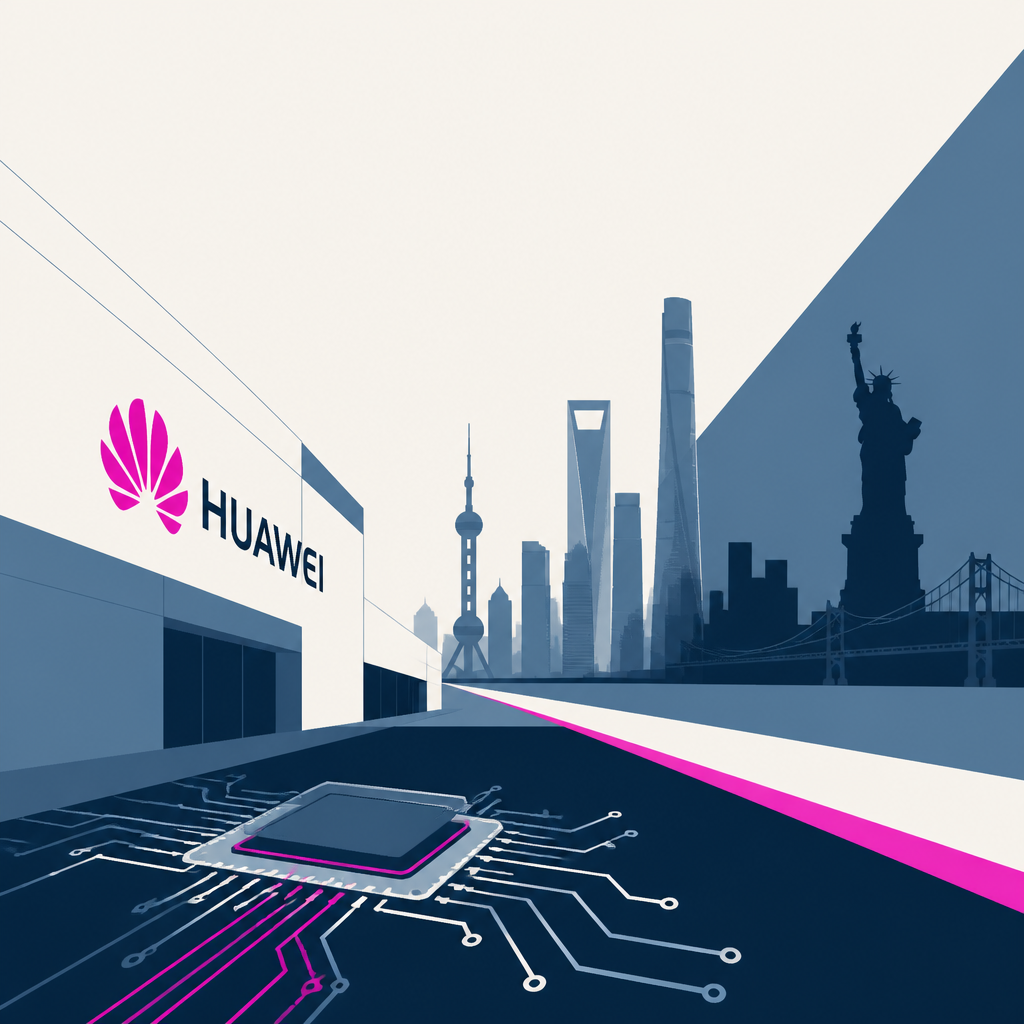 Inside China's All-Out Push to Catch Up With American AI Chips
The Wall Street Journal · 2 months ago ·
39
Trump administration’s AI crackdown opens door for China to close gap
CSET Georgetown · 3 months ago ·
46
Chip Expert Tzi-Dar Chiueh: “China Wanted Taiwan Long Before Our Chip Industry Succeeded”
Trending Topics · 3 weeks ago ·
43
Inside China's All-Out Push to Catch Up With American AI Chips
The Wall Street Journal · 2 months ago ·
39
Trump administration’s AI crackdown opens door for China to close gap
CSET Georgetown · 3 months ago ·
46
Chip Expert Tzi-Dar Chiueh: “China Wanted Taiwan Long Before Our Chip Industry Succeeded”
Trending Topics · 3 weeks ago ·
43