
How one VC burns through hundreds of millions of tokens a day to find the next unicorn
Rest of World Ananya Bhattacharya
A new India VC fund is using frontier AI every day to pick startups. Its partner says you need to know the tech or you’ll miss the next unicorn.
Based on reporting by Rest of World, Ananya Bhattacharya — read the original for the full story.
Summary, retelling and take written by AI under human oversight; images are AI-generated illustrations. How we work · Report an error
Artificial intelligence is changing how venture capital works, and Pratyush Choudhury wants no part of the old playbook. He co-founded Activate AI, India’s first VC fund focused only on AI, with Aakrit Vaish in December, and the fund has already backed Sarvam on the way to unicorn status with a valuation above $1 billion. That is a clean signal: in AI, the people writing checks now think they need to understand the machinery, not just the market pitch.
Choudhury argues that the easy era for business-first founders is over, at least for now. In his view, the best AI companies will be built by founders who can see where the technology is going and who are solving durable customer problems, not just riding temporary gaps that the next model release can close. That’s a sharper filter than the one venture capital has used for years. It also makes the job harder, because the technology itself keeps moving.
So he has built his investment process around staying close to the frontier. He reads research papers, tracks them through X, talks regularly with researchers and applied-AI builders in the U.S., Europe and China, and tries to understand the knock-on effects of new models and hardware gains across regions and industries. He even puts the technology to work in his own day-to-day tasks, saying he consumes between 300 million and 500 million tokens a day just to get his work done.
That usage is not cheap. Choudhury says he spends a few hundred to a few thousand dollars a day, and that he depends on subsidized access from friends and companies or he might blow through the fund just learning. OpenAI’s Codex and Anthropic’s Claude make up about 90% to 95% of his usage, with Gemini, Grok, Manus, Granola, and Cursor also in the mix. This is what AI-native investing looks like when taken seriously: part portfolio strategy, part power-user habit, part expensive obsession.
The bigger point is that India’s AI ambitions still run into two hard limits, compute and data. Choudhury says those constraints hold back high-quality research, and he wants India to build frontier AI anyway, because the broader tech stack is becoming too important to leave dependent on shifting foreign priorities. That’s not just nationalism with a slide deck. It’s a practical hedge against being locked out of the tools everyone else is building on.
My take — AI-written commentary, not fact-checked reporting
This is what happens when investing finally admits the product matters more than the pitch deck. The funny part is that venture capital spent years pretending technical depth was optional, and now it’s paying frontier-model bills to catch up. Good luck calling that a moat if everyone else can also read papers and burn tokens.
Read more about this at: Rest of World
Related stories
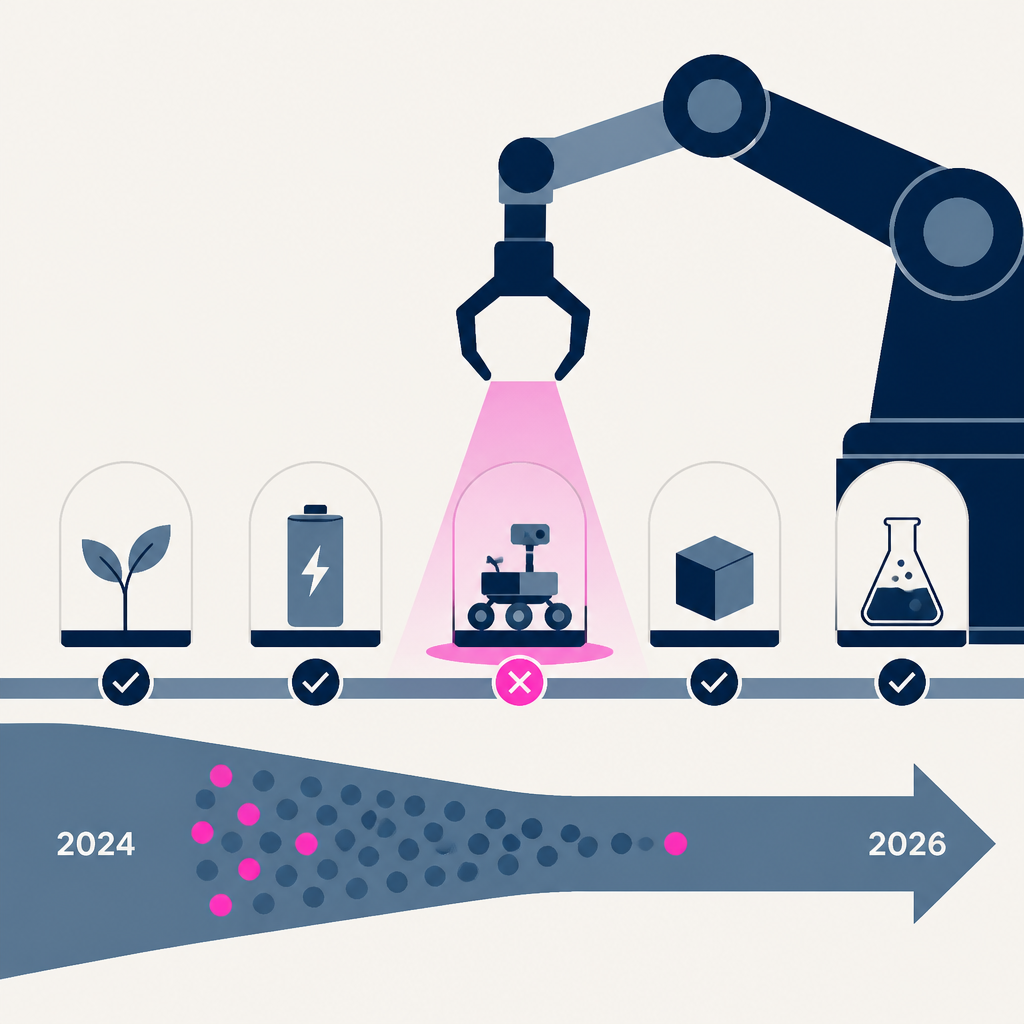 Portfolio review takes on a new urgency for VCs as AI makes 2024's great deals look like 2026's clear mistakes
Fortune ·
29
Menlo Ventures’ Matt Murphy explains what AI startups founders must do differently
TechCrunch · 1 month ago ·
24
Portfolio review takes on a new urgency for VCs as AI makes 2024's great deals look like 2026's clear mistakes
Fortune ·
29
Menlo Ventures’ Matt Murphy explains what AI startups founders must do differently
TechCrunch · 1 month ago ·
24
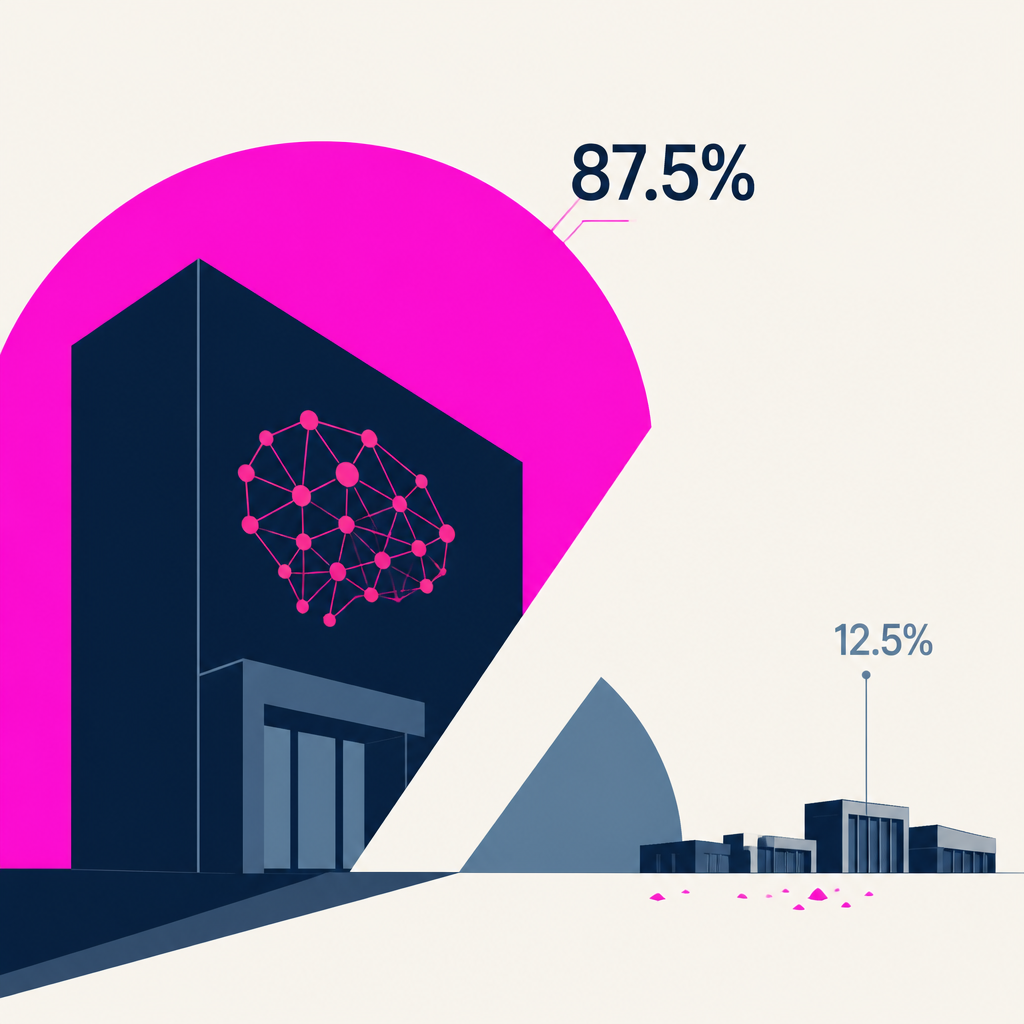 87.5% of venture dollars went to AI. The rest fought over scraps
Fortune ·
10
87.5% of venture dollars went to AI. The rest fought over scraps
Fortune ·
10