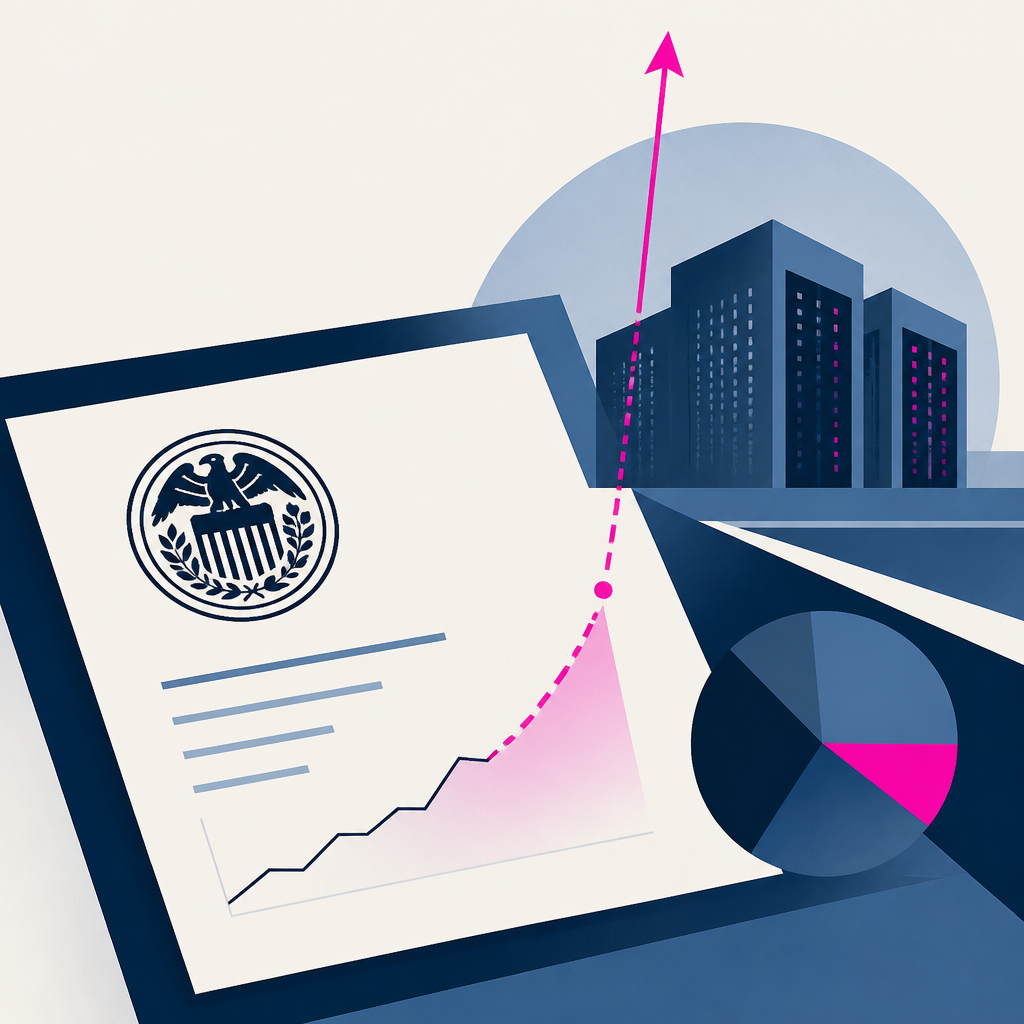
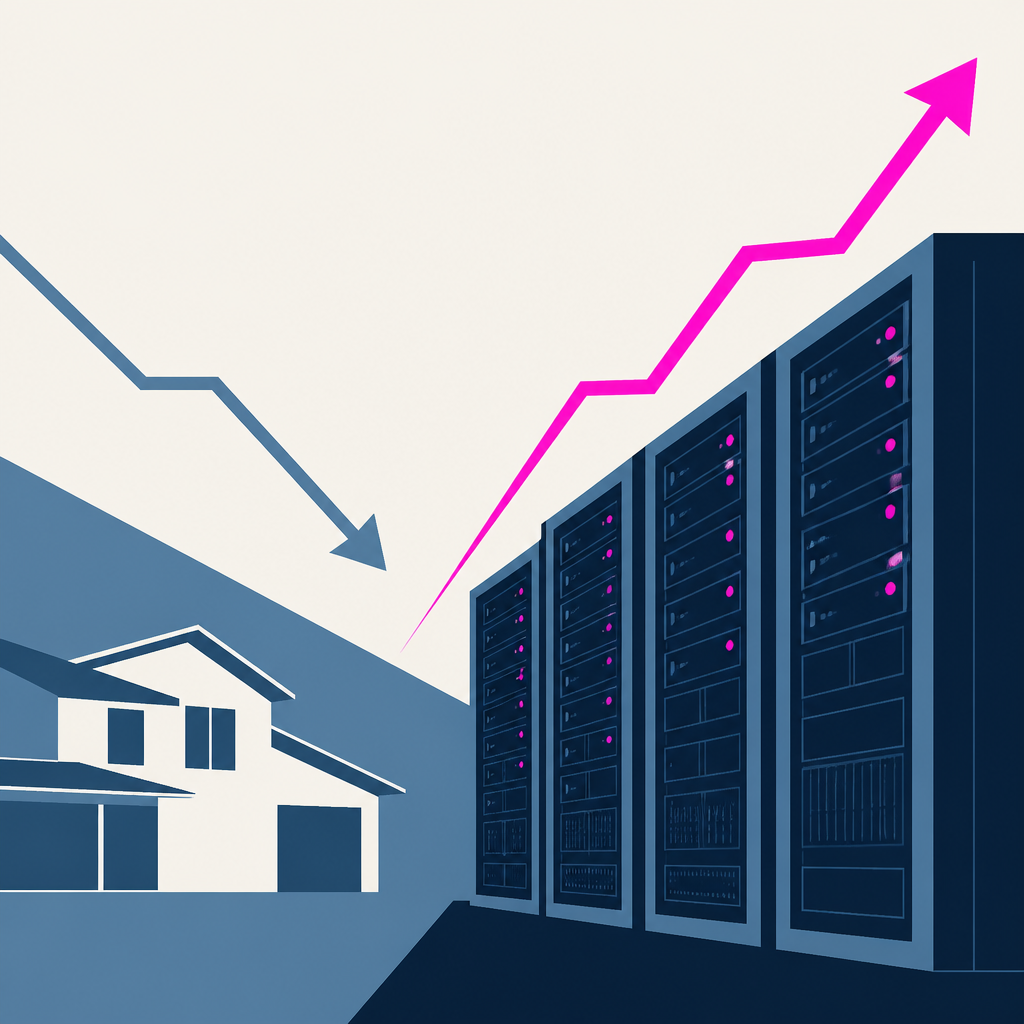
Forget the House and the Senate, the economy may hinge on state and local races in the midterm elections
Fortune Jason Ma
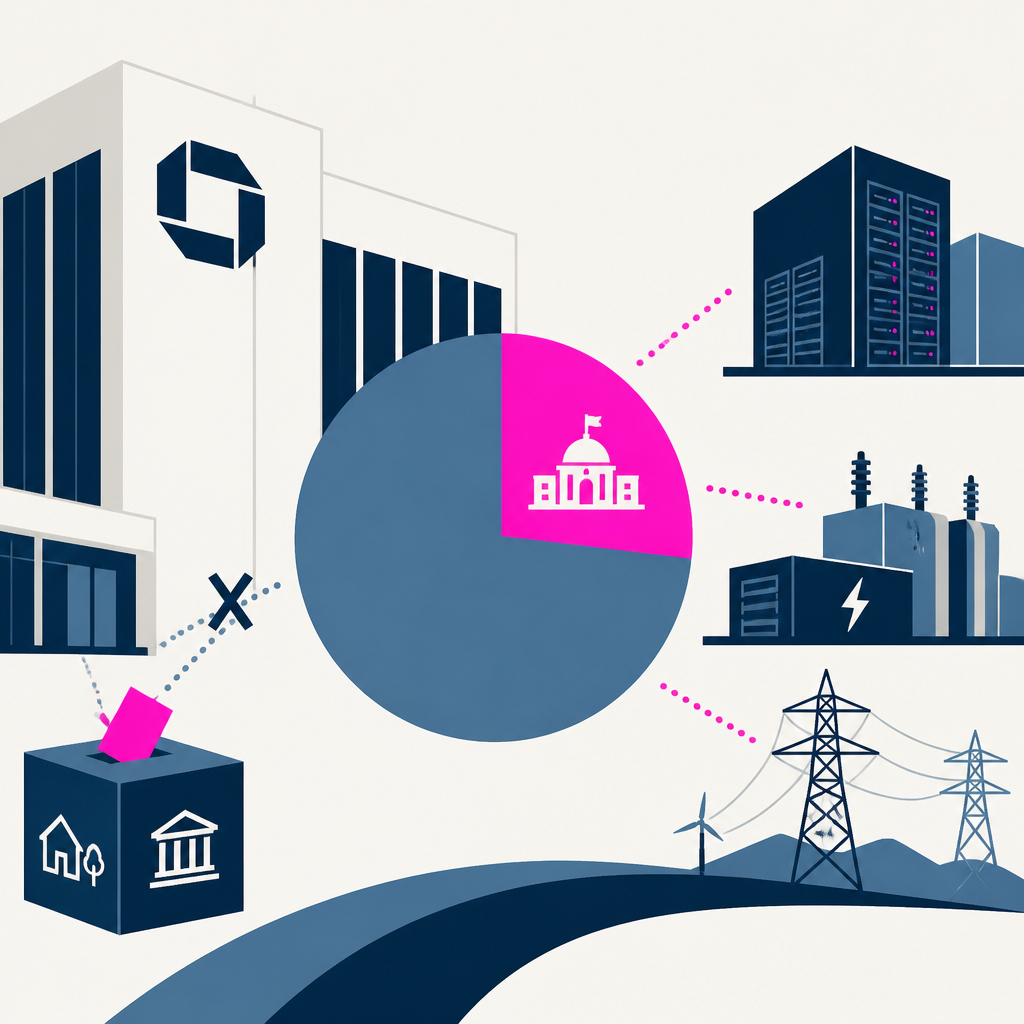
State and local races may matter more than Congress for data centers. They can block, slow, or reshape the AI buildout that’s helped drive growth.
Based on reporting by Fortune, Jason Ma — read the original for the full story.
Summary, retelling and take written by AI under human oversight; images are AI-generated illustrations. How we work · Report an error
Data centers have become a campaign issue in this midterm season, but the louder fights in Washington may matter less than the quieter ones in state capitals and county halls. That’s because governors, local councils and regulators have far more day-to-day control over where these projects go, how fast they move, and whether they can plug into the power grid.
The money behind the buildout is enormous. Hyperscalers are spending hundreds of billions of dollars a year, with forecasts for 2027 above $1 trillion. JPMorgan has estimated AI-related investment drove about one-fifth of GDP growth over the past year, while ING sees it accounting for a third of growth in 2026. So when investors worry that a political backlash could cool the boom, they are not talking about some side show.
That concern has already shown up in the markets, which have slipped in recent days as hopes for big Democratic gains have fed fears that the AI trade is getting ahead of itself. Thierry Wizman of Macquarie argued that a blue wave at the state and local level could bring in lawmakers more willing to clamp down on data centers, and that this may matter more for the economy than which party takes the House or Senate.
The warning is not abstract. On Tuesday, Amazon scrapped plans for data centers in Loudoun County, Virginia, after reaching an agreement with local officials and facing backlash from residents. Amazon Web Services had bought the property in February for $427 million. The company said it will not build data centers there and will instead repurpose most of the land for mixed-use and residential development, while also donating 25 acres for a community arts center and recreational facility plus $5 million to a housing fund.
Texas offers a different signal. Gov. Greg Abbott, once a data center booster, has become more skeptical as he faces a tough re-election fight. Oxford Economics’ Michael Pearce says the key risks are in state capitals and town halls, not in Washington, where broad legislation would move slowly and the Trump administration has already used regulations and executive orders to make construction easier. Local officials, by contrast, can move faster with moratoriums, environmental reviews and grid bottlenecks.
Pearce says the biggest races are in Texas and the Carolinas, along with Midwest states like Ohio, Illinois and Wisconsin. Developers can still blunt opposition by promising lower tax bills or money for schools and roads. And even if a moratorium lands, the economic hit would lag, since much of the spending sits inside the equipment and shows up six to eight quarters later. In other words, this year’s boom is still feeding the economy, whatever voters do next week.
My take — AI-written commentary, not fact-checked reporting
This is the part of the AI story that gets buried under the noise: the real veto power sits closer to the zoning board than the Capitol dome. Washington loves a grand fight, but the grid, permits and local anger can do the actual damage with far less drama. That’s not policy theatre; that’s how the sausage gets unplugged.
Read more about this at: Fortune