DeepSeek Founder Liang Wenfeng Resurfaces with Long-term Research Insights
The Neuron
DeepSeek's Liang Wenfeng gave a rare 4-hour interview blaming almost every US-China AI gap on one thing: compute. He also bet that domestic chips will prove fully viable within a year.
Liang Wenfeng doesn't surface often, so when a nearly four-hour transcript of his investor meeting showed up via Tencent Tech in late July 2026, it was worth reading closely. DeepSeek hasn't confirmed the document, but the 118 numbered items paint a picture that's more interesting than the usual "cheap AI from China" framing Western outlets ran with after January 2025.
Liang's core argument is almost stubbornly reductive: talent, model quality, applications, all of it traces back to one variable, compute. He says DeepSeek's team is weaker than its American rivals not because of ability but because less compute means fewer chances to experiment. He puts the US lead somewhere between six months and two years, depending on which sentence you catch him in, and openly admits the range is fuzzy. What's consistent is the ambition to shrink that gap to three months using a twentieth of the resources.
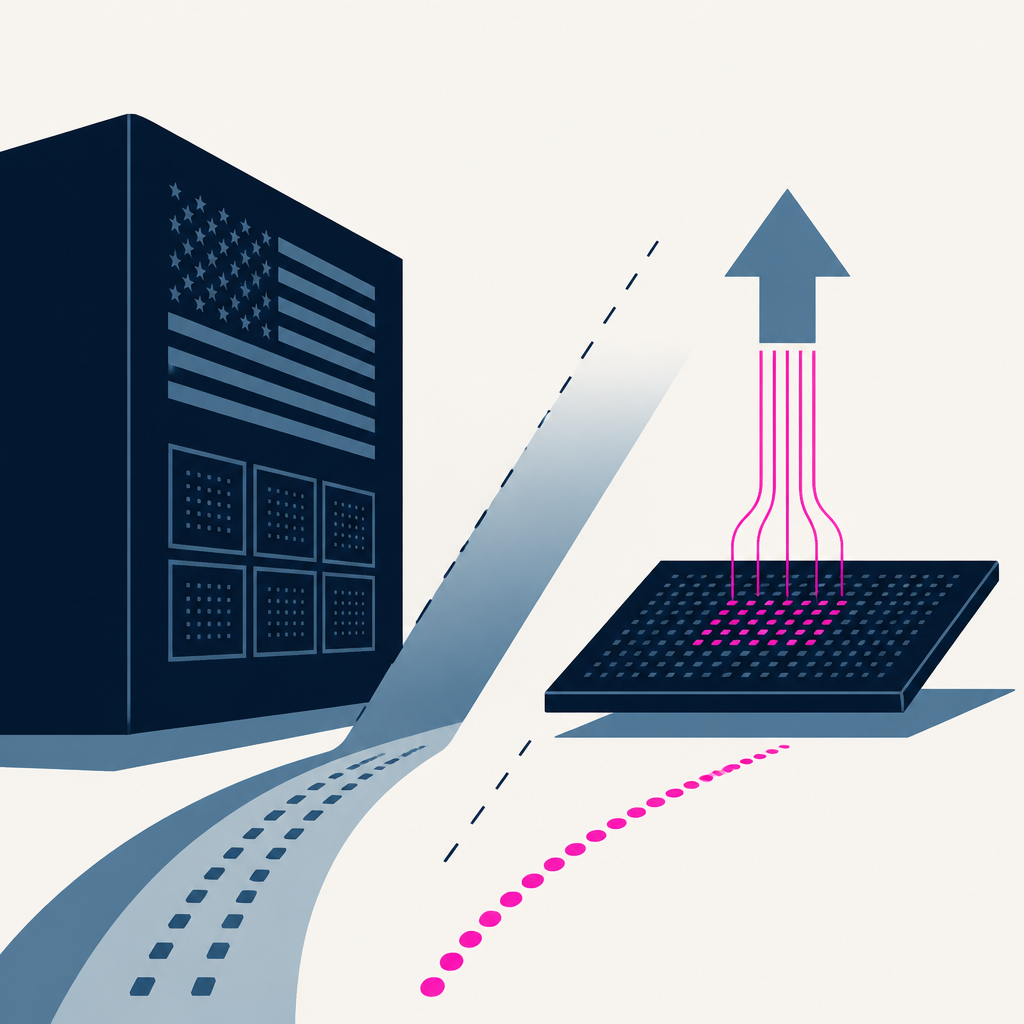
The chip talk is where things get spicier. Liang claims DeepSeek's V3 model barely touches Nvidia's software ecosystem anymore, running instead on an in-house compiler called TileLang. He goes further, calling Huawei's 950 super-node a full replacement for Nvidia's GB200 and GB300, at one point tossing out a four-to-one chip ratio without specifying what's being measured or against which Nvidia part. That's the kind of number that sounds authoritative in an investor room and much shakier under scrutiny, since public benchmarks so far show Chinese chips beating only Nvidia's export-limited H20, not matching its top-tier B-series for frontier training.
He also undercuts the tidy compute narrative in places. Team retention, he says, isn't a money problem, right after calling resources the single biggest bottleneck elsewhere in the same conversation. And he separately admits DeepSeek could raise API prices by half or double them without denting demand, which is a strange thing to say if margins were truly starved by scarcity. On open-sourcing DeepSeek's strongest models, he's blunt: he sees no benefit to going closed, pointing at ByteDance's proprietary model as an example that gained nothing from secrecy.
The part with an actual deadline is the chip bet. Liang says that within a year, real deployment will prove China's domestic chip ecosystem has no real problems left. That's a testable claim, unlike the vaguer "fourfold plus two years" gap he also throws out. Whether Huawei's hardware can actually deliver usable compute at DeepSeek's scale, rather than just compelling talking points for a post-fundraise pitch, is the thing worth watching over the next twelve months.
My take
I read this as a founder doing two jobs at once: explaining his company and reassuring the people who just wrote him a $7.4 billion check. The compute-explains-everything framing is a great story for investors because it turns an unsolvable talent and ecosystem problem into a line item, but Liang's own contradictions about retention and pricing suggest the reality is messier. Still, betting on open weights while everyone else locks models down remains the more interesting long-term wager here, and it's the one I'd actually put money on paying off before the Huawei chip claims do.
Read more about this at: The Neuron