
It’s time for femtech to move beyond fertility tracking
Startups Magazine Elina Pika-Lepere
Opinion — commentary, not a factual news event.
Femtech is great at fertility, but weak on perimenopause. That leaves many women with data and no real help when careers are at stake.
Based on reporting by Startups Magazine, Elina Pika-Lepere — read the original for the full story.
Summary, retelling and take written by AI under human oversight; images are AI-generated illustrations. How we work · Report an error
Femtech has spent years making fertility, pregnancy and cycle tracking easy to find. The bigger gap shows up later, when women hit perimenopause and the questions change. Sleep gets worse. Confidence takes a hit. Work can, too.
That matters because perimenopause often starts in a woman’s 40s, and menopause can stretch across decades after that. The source points to one study showing one in ten women have left their jobs because of menopause symptoms. That is a lot of talent walking out the door over something technology should be helping with, not ignoring.
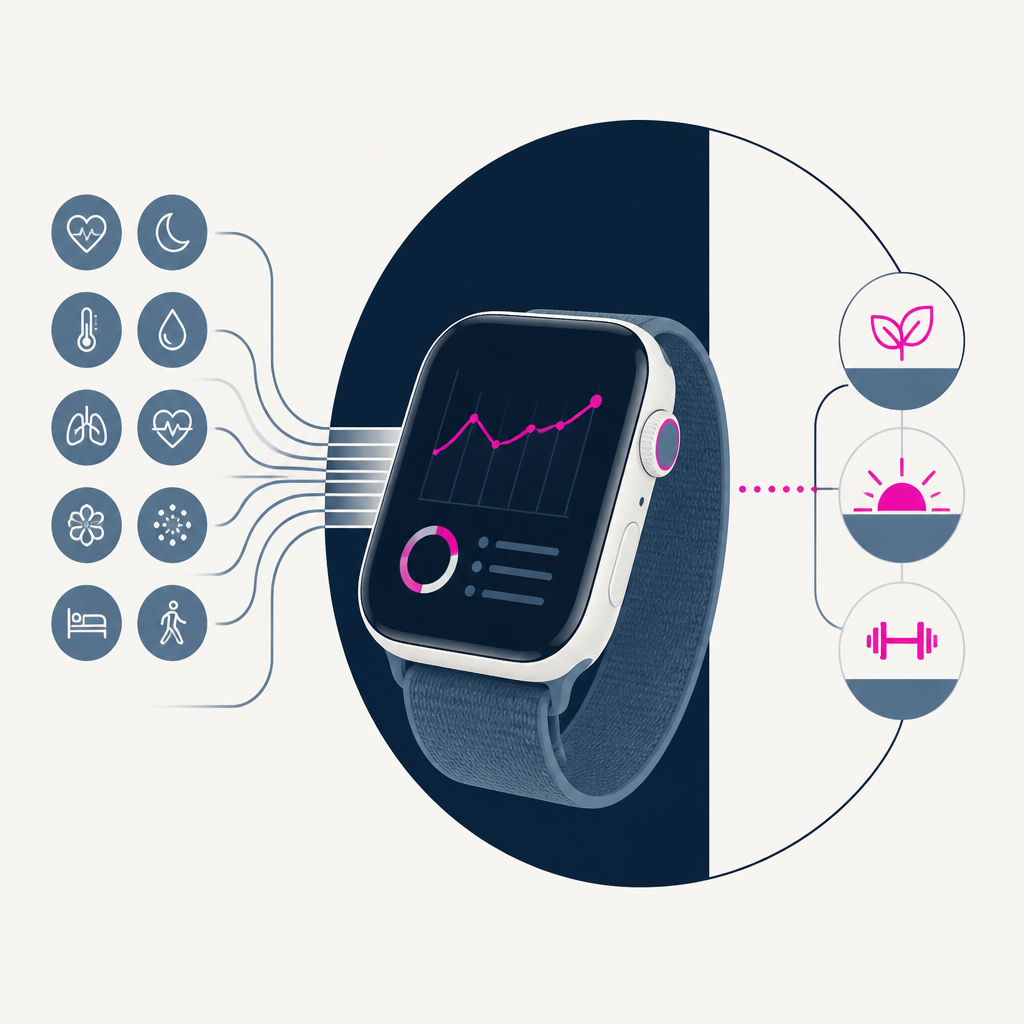
The problem is not a lack of data. Wearables already collect sleep quality, resting heart rate, heart rate variability and activity. The problem is that women are left staring at dashboards and generic AI-generated advice, often after manually logging symptoms every day. If symptoms vary sharply from person to person, generic guidance is close to useless.
That is the gap anna app is trying to fill. It connects to Apple Health, reads more than 30 metrics and turns them into a short explanation of how they may affect wellbeing during perimenopause. It also gives one concrete action a user can take the next day. The app was built with an advising clinician, uses more than 300 peer-reviewed studies, and says its deterministic rules engine lets every recommendation be traced back to research.
The workplace angle is hard to miss. The UK’s Employment Rights Act 2025 introduced a framework for menopause action plans, and from spring 2027 organisations with 250 or more employees might have to publish plans showing how they support staff through menopause. But policy alone won’t answer the daily question many women are asking: what is happening to my body, and what do I do now? Femtech has moved past the baby-making phase. It should stop acting like that is where women’s health ends.
My take — AI-written commentary, not fact-checked reporting
The obsession with fertility apps is the tech equivalent of buying a very expensive umbrella and then ignoring the flood. Women do not disappear after conception, despite what some startup decks seem to imply. The smarter bet is the messier one: tools that help people stay healthy through the decades, not just the months when reproduction is the headline.
Read more about this at: Startups Magazine
Related stories
 Women see five or six doctors to figure out menopause symptoms. A top Novartis exec says AI could finally connect the dots
Fortune ·
13
Apple’s revamped Health app will calculate your ‘health age’ and readiness score
TechCrunch · 1 month ago ·
17
Startup Evvy raises $40M to accelerate precision diagnostics and medicine for women’s health
SiliconANGLE · 1 month ago ·
52
Women see five or six doctors to figure out menopause symptoms. A top Novartis exec says AI could finally connect the dots
Fortune ·
13
Apple’s revamped Health app will calculate your ‘health age’ and readiness score
TechCrunch · 1 month ago ·
17
Startup Evvy raises $40M to accelerate precision diagnostics and medicine for women’s health
SiliconANGLE · 1 month ago ·
52