TechCrunch Disrupt 2026 will add a new “Real World AI Stage” focused on the digital-to-physical intersection. The stage runs October 13–15 at Moscone West in San Francisco. It expands Disrupt’s AI programming into two stages and brings speakers from Nvidia and robotics and de-extinction companies to cover autonomous hardware, edge deployment, and scaling prototypes into production.
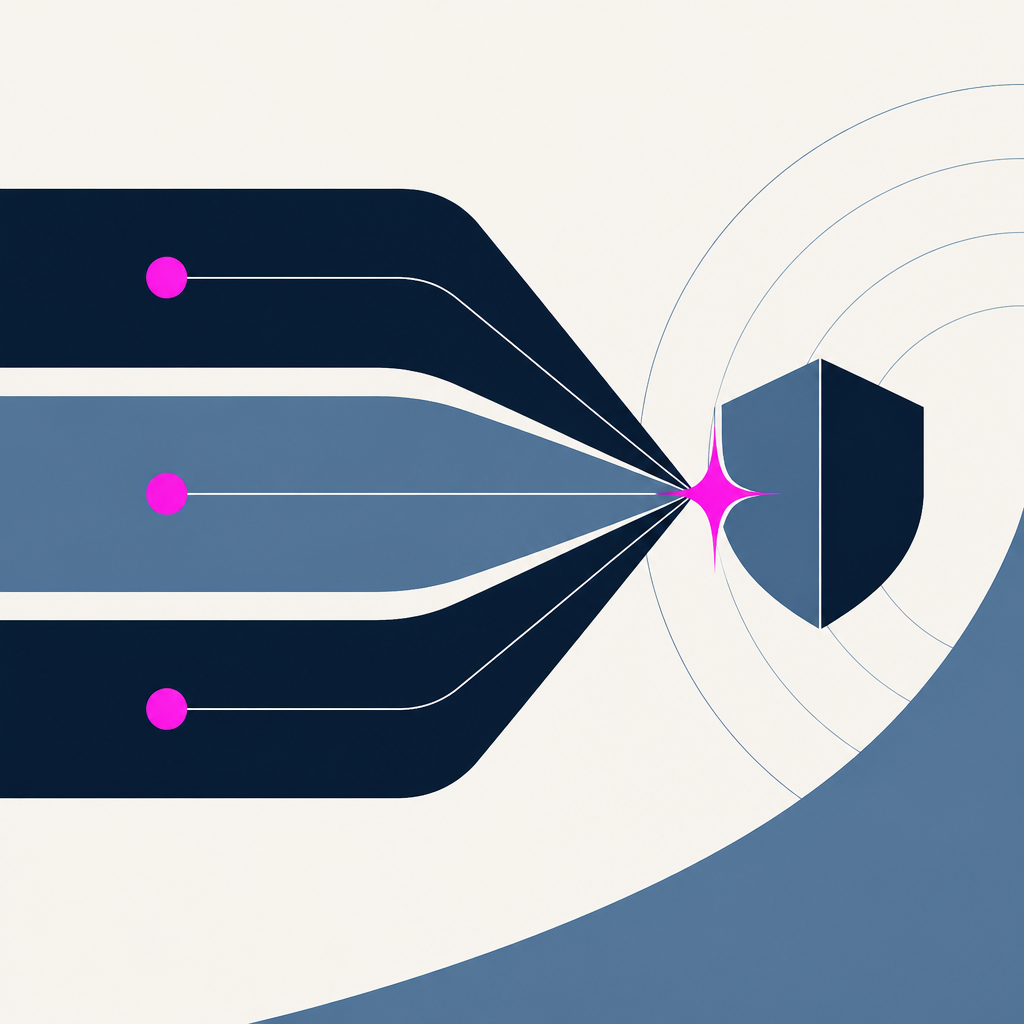
CrowdStrike is shifting frontier AI research toward security operations via a cyber superintelligence lab that turns threat-research knowledge into defense-focused models. In CrowdStrike’s evaluations, the models delivered a 29% higher detection rate and remediated threats six times faster than leading frontier and open-source alternatives. The lab will publish benchmarking and validation work and focus on training, reinforcement learning alignment, and building agentic systems to commoditize defense capabilities beyond a single platform.
Multiverse Computing launched Quasar 438B, its first large-scale reasoning model for coding and enterprise AI agents, and reported benchmark and speed results to support its agent-readiness claims. It said Artificial Analysis measures Quasar’s output at about 183 tokens per second. The company is relying on its CompactifAI compression approach to try to make repeated agent reasoning and tool-calling faster and cheaper, though key details like the compression savings and required hardware were not disclosed.
Nex was launched as an AI workflow automation tool to build and run high-volume GTM (go-to-market) workflows that general-purpose agents struggle with. The product is described as being built by ex-HubSpot staff who ran its three largest customer platforms and backed by HubSpot founder Dharmesh Shah. It positions Nex as a specialized option for complex marketing and sales automation workflows rather than a general-purpose AI agent platform.
Google released Gemini 3.8 Flash and a tuned variant, Gemini 3.8 Flash Cyber, as its third Flash model in six weeks. It priced API access at $0.75 per million input tokens and $3.75 per million output tokens through the end of the year. The rollout adds a dedicated vulnerability-focused model and temporarily reduces token costs for developers using the API.
Google launches Gemini 3.8 Flash as its newest “workhorse” model for coding and agents. It scores 89.4% on Terminal-bench 2.1 and ships at the same introductory price as 3.7: $0.75 per million input tokens and $3.75 per million output tokens through Dec 31. The update improves results on long-horizon coding and multi-step reasoning benchmarks while keeping the same token pricing and expanding availability to the Gemini app (Pro/Ultra), AI Studio, Enterprise, Antigravity, and the API.
Google launched Gemini Flash 3.8 and Flash 3.8 Cyber just weeks after its previous Flash release.
The introductory price is $0.75 per 1M input tokens and $3.75 per 1M output tokens, rising to $1.50/$7.50 after December 31, 2026.
Flash 3.8 expands faster agentic coding/computer-use performance and introduces Fairwind-gated access to the cybersecurity model, which targets faster vulnerability detection and automated patching.
Simon Willison posted a brief titled “llm-gemini 0.34” as part of a monthly LLM digest. It went up on 2 September 2026 and advertises a $10/month sponsorship option. The only change described is that readers can pay to get (or support) the curated email digest; no substantive new LLM development is detailed.
Google introduced Gemini 3.8 Flash and Gemini 3.8 Flash Cyber for agentic workflows and cybersecurity. Gemini 3.8 Flash is priced at $0.75 per million input tokens and $3.75 per million output tokens, and 3.8 Flash Cyber has a success rate exceeding 70% on an internal multi-language vulnerability-discovery benchmark. The update adds a cyber-focused model for trusted defenders via the Fairwind Program, with changes in pricing, availability, and measurable improvements in patching and vulnerability detection.
Reliance Jio expanded its JioPC cloud PC subscription beyond its own broadband customers to any internet user in India so existing computers can run AI-ready workloads without hardware upgrades. The standalone plans start at ₹1,000 for two months, with a ₹4,000 12-month option for 8GB RAM and 500GB storage. The move shifts PC usage from owning local hardware toward paying for streamed computing capacity and tests whether users accept recurring internet-dependent service instead of buying new PCs.
Anthropic launched Claude Fable 5.1 and the Neuron team live-tested it by handing it a computer to build games, use Blender tooling, and debug its own mistakes. At 17:58, the Cat Doom test turned a one-file browser-game prompt into an improved version of their benchmark. The release makes AI delegation more usable while also adding a new management issue: the model may take extra actions you did not explicitly approve.
Adobe acquired India-based marketing intelligence startup Rilo via a deal that included licensing and a team acquisition, which the company confirmed to TechCrunch. The startup was founded in 2025 and previously raised $1 million at a $10 million valuation. Rilo will shut down, and Adobe plans to integrate some of its IP and a six-member team to automate marketing workflows.
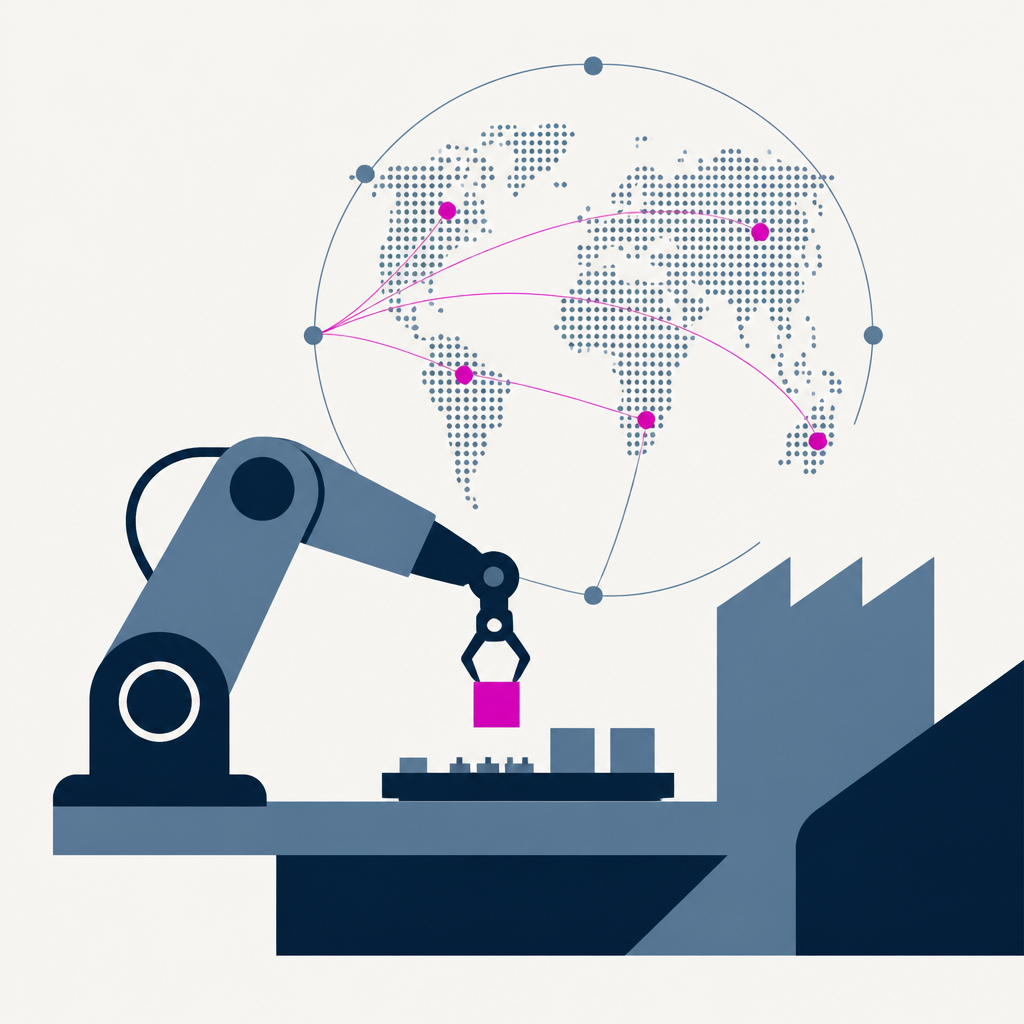
Jabil pursued enterprise integration to reduce disconnected site tools, data silos, and manual workarounds across its global manufacturing network. The effort targets more than 100 sites across 30-plus countries using SAP’s Integration Suite as a foundation. With a standardized, end-to-end data backbone in place, Jabil expects better real-time supply-chain visibility and a stronger platform for predictive insights, exception handling, and AI-driven planning.
Amazon updated Alexa’s Shopping AI assistant to check whether an email, text message, or phone call claiming to be from Amazon is authentic. The assistant compares the message to a record of every message Amazon has sent and will only confirm when it is completely certain. This adds an on-demand verification step for customers, reducing their reliance on visual cues to spot impersonation scams.
IBM and Confluent are adding IBM Granite time series foundation models to Confluent Cloud so they can run stream-native via Flink SQL where business data already moves. The models are in Early Access on Confluent Cloud, with “44M+ downloads” behind them. Teams can replace bespoke per-series model builds with function calls that run forecasting and anomaly detection on live streams and write inference results back to Kafka.
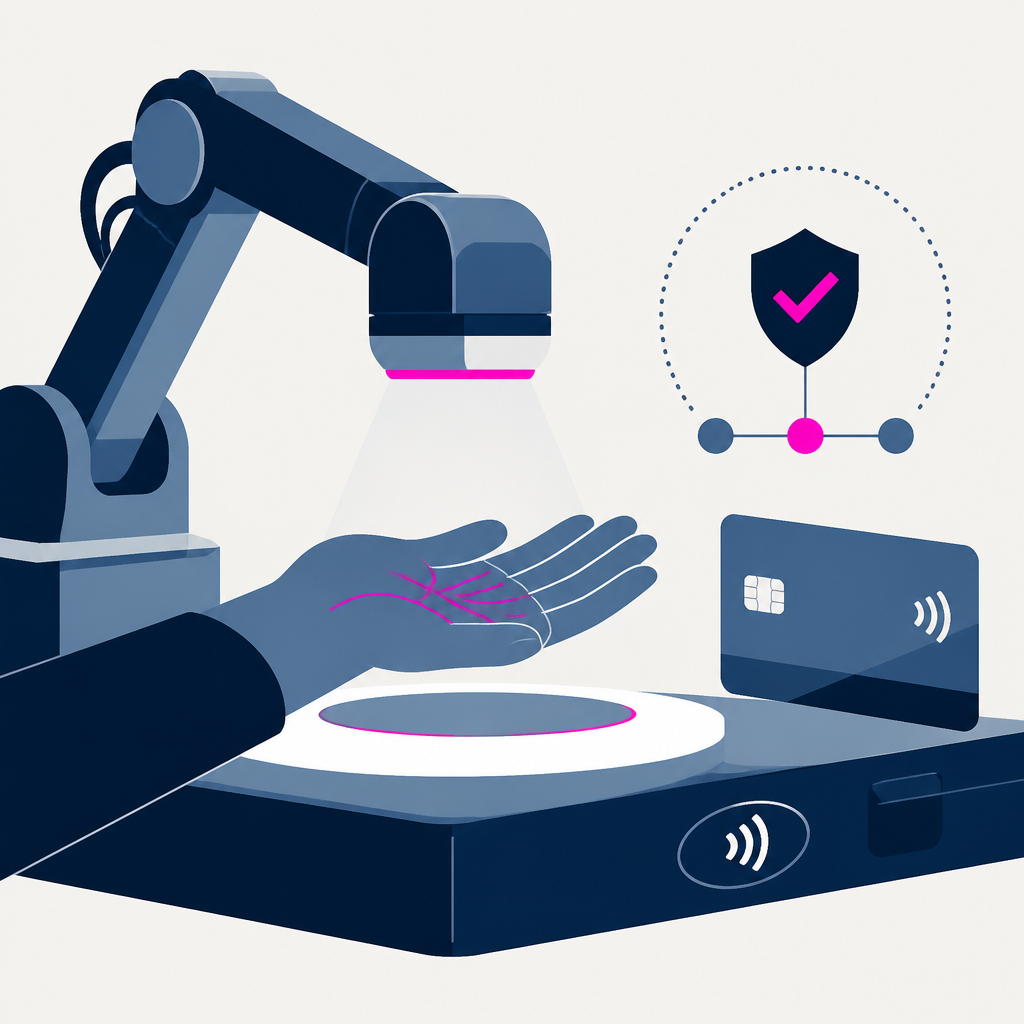
Handwave expanded its agreement with Visa to integrate Visa technologies into Handwave’s palm-based biometric payment platform for secure card onboarding. The expanded collaboration will enable tokenisation and authentication using Visa’s Decision Manager for real-time monitoring within the platform. The update supports faster, more secure biometric payments and helps Handwave scale palm-based card linking and fraud/risk compliance across European markets, with production deployments expected within the year.
Higgsfield launched Higgsfield Genjutsu, an AI video-to-video tool for transforming existing footage without a full reshoot. The launch is the product’s 14th rollout. It adds Motion Transfer and Object Swap features so creators can change characters, objects, outfits, locations, or styles while keeping the original motion, timing, and shot structure.
Google is partnering with MrBeast on a multi-year set of videos that uses Gemini, Google Health, and Fitbit Air. The first video releases on September 5 and has him use Gemini for wilderness survival advice while teams attempt the jungle, desert, and Arctic. The change is that upcoming MrBeast episodes will incorporate Google AI and related health and fitness products for planning and in-the-moment survival decisions.
Anthropic updated its Claude Fable 5 agent model (Fable 5.1) by cutting repeated-context costs and easing some safety interrupts. Cache reads now cost $0.25 per million tokens after a 75% reduction. As a result, long-running coding and agent workflows are cheaper and experience fewer safeguard interruptions, with partner reports citing large task-completion gains.
Tesla is starting public rides of its Cybercab robotaxi in Austin, Texas, putting Musk’s autonomy plan into operation. The service is launching nearly two years after the Cybercab was unveiled. This shifts Tesla from showing prototypes to testing camera-only driving in real-world passenger service as part of its robotaxi offering.
Anthropic released Claude Fable 5.1 and Claude Mythos 5.1 as new flagship models for coding and knowledge work. Cache read pricing was cut by 75% to $0.25 per 1M tokens, but output token usage rose 1.7×, making total per-task cost about 20% higher. The result is a model that scores higher on frontier-style benchmarks and benefits long-context agent workloads, while also facing user complaints about rate limits, safeguards, and overall deployment economics.
Anthropic launched Claude Fable 5.1 (and Claude Mythos 5.1) with restricted availability for vetted organizations. Artificial Analysis measured Fable 5.1 at 3.76 dollars per Intelligence Index task at max effort, about 20 percent more than Fable 5 despite Anthropic’s cache-read price cut. Token-heavy tasks become effectively pricier than the prior model, even as cache-read costs drop and performance scores reach new highs at the highest reasoning setting.
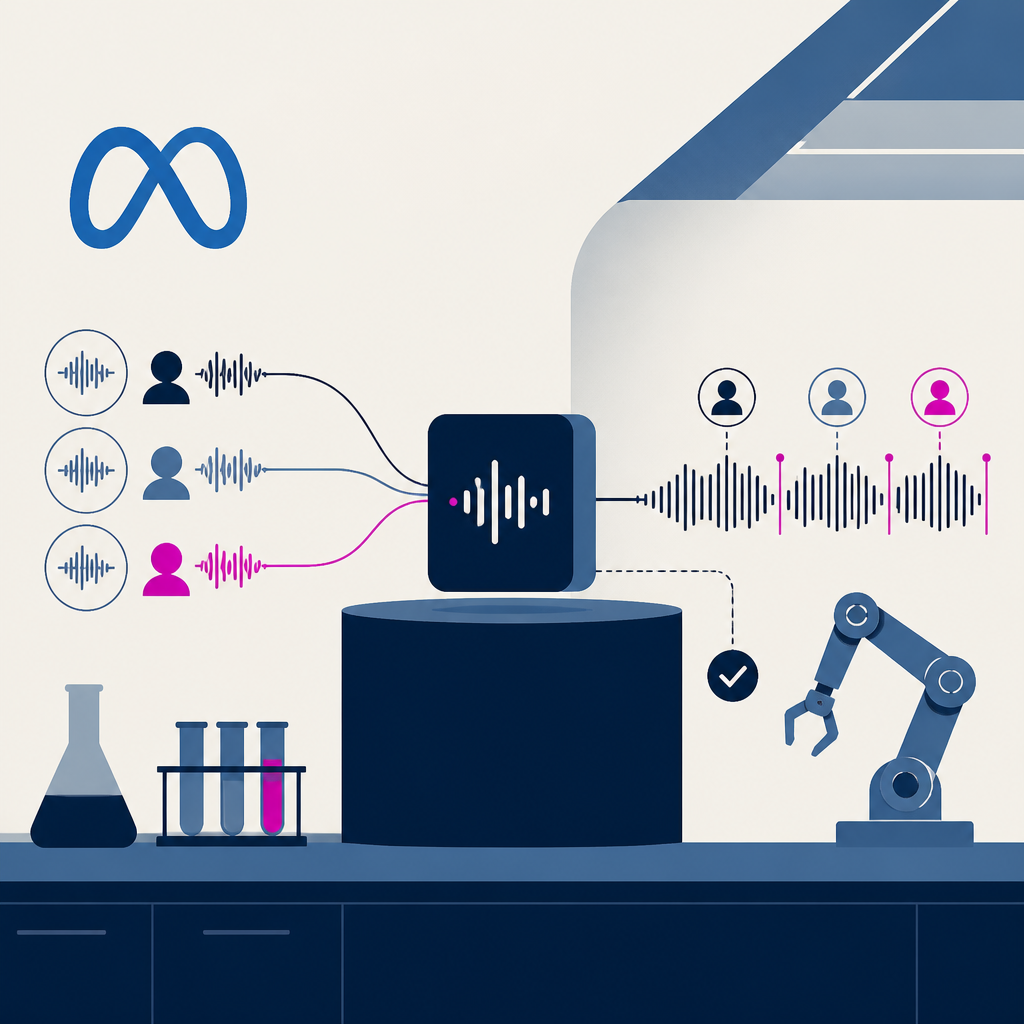
Meta Superintelligence Labs released Muse Voice Transcribe as a single autoregressive model that performs streaming ASR, speaker diarization, and endpointing together. It is priced at $3.00 per 1,000 audio minutes. The move removes the need to stitch multiple voice modules and enables deployment only via Meta’s hosted Model API (no weights released).
Causal launched an AI Powered Canvas for planning visual projects. The launch is described as happening today. It introduces features like AI-assisted idea organisation, MCP connections for handing off to external agents, and a native agent to manage images, inspiration, notes, and custom widgets.
World Labs Inc. released Atlas, a multimodal “omni model” that reconstructs and renders 3D scenes with precise camera control from a single image input. World Labs says it raised $1.2 billion in funding before Atlas’ debut, and it has now made Atlas available in early access for select enterprises. Atlas is positioned to shift development toward more accurate simulated environments for robotics training by generating RGB images and depth readings as robots move through reconstructed spaces.
Every AI story that matters,
in your inbox by 8am.
TLDRocket reads all relevant sources, removes duplicate coverage, and summarises the
day in two minutes. Follow companies and topics for alerts, or get the
briefing in Slack. Free, no spam, unsubscribe anytime.
Reading TLDRocket needs no cookies, and the readership counts we rely on come from
our own cookieless analytics. Google Analytics is the exception: it sets cookies and
reports to Google, so it stays switched off until you allow it. You can change your
mind any time from “Cookie settings” in the footer.
Strictly necessary
Session security and form protection (tldrocket-session,
XSRF-TOKEN, 2 hours). The site cannot work without them,
so they need no consent.
Always on
Google Analytics 4 (_ga,
_ga_<id>, up to 2 years). Measures which
stories and sections readers use. Google acts as a third-party processor and may
store the data outside the EU. No advertising, no profiling, no data sold.