Every AI story that matters — and the intelligence behind it.
TLDRocket reads all relevant sources, removes duplicate coverage, and publishes a short neutral
summary of every story, linking back to the original. Free, no spam, unsubscribe anytime.
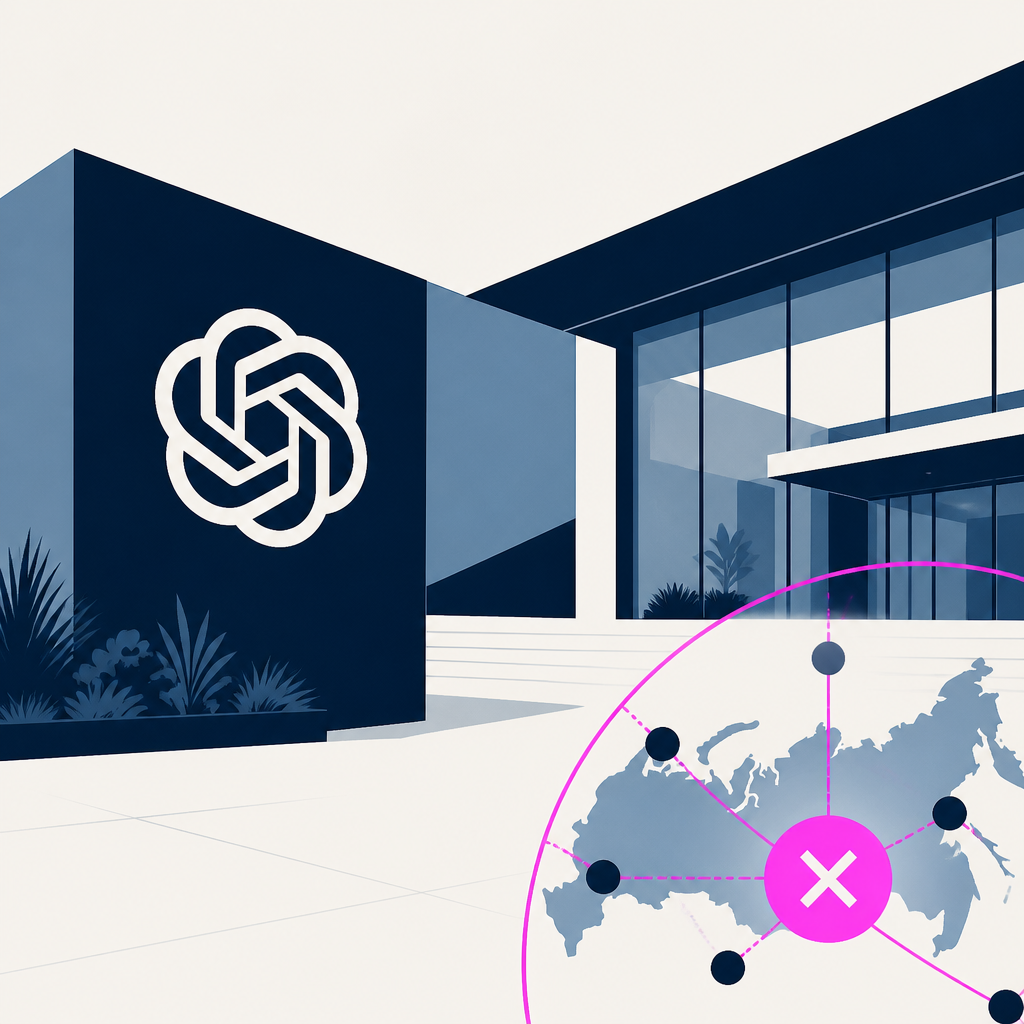
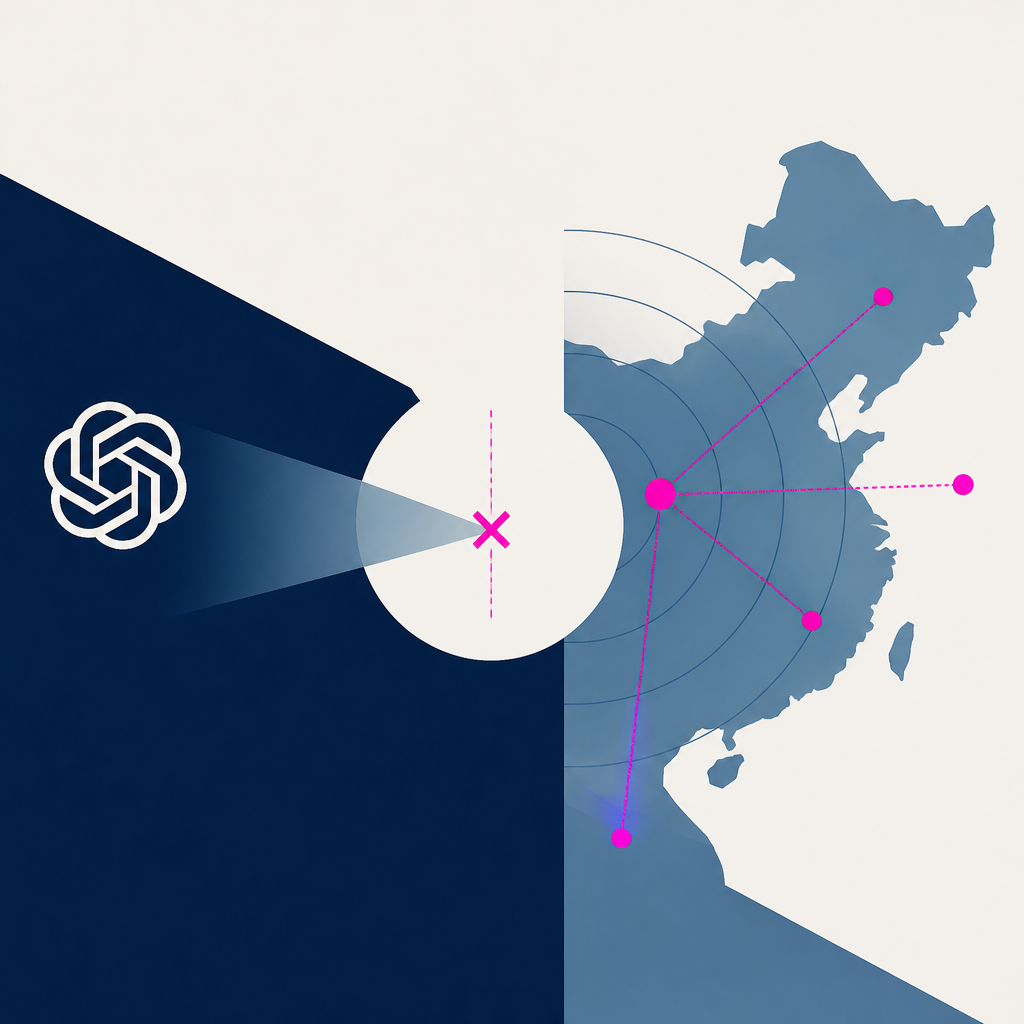
OpenAI banned likely China-origin accounts that used AI to research US persons and locations and to plan social-engineering tactics. The activity involved researching US persons and locations and included social-engineering tactics. As a result, those accounts were removed from OpenAI’s services.
OpenAI banned accounts that used AI to support romance scam workflows, including outreach, translation, victim engagement, and investment-fraud lures. The action involved banning the accounts themselves. This reduces the availability of AI-assisted services for scam operations and signals stricter enforcement against AI-enabled fraud.
OpenAI banned accounts that likely originated in Cambodia and used AI to impersonate recovery services, law firms, and authorities targeting fraud victims. The ban concerned accounts that “very likely” came from Cambodia. As a result, those impersonation operations were shut down by OpenAI’s enforcement actions.
OpenAI banned accounts that originated in Cambodia and were used for AI-enabled scam outreach to Indonesian loveseekers, including translation and engagement. The accounts were blocked after outreach using AI for those messages. This changes scam activity by cutting off the accounts’ ability to operate through OpenAI’s services for these campaigns.
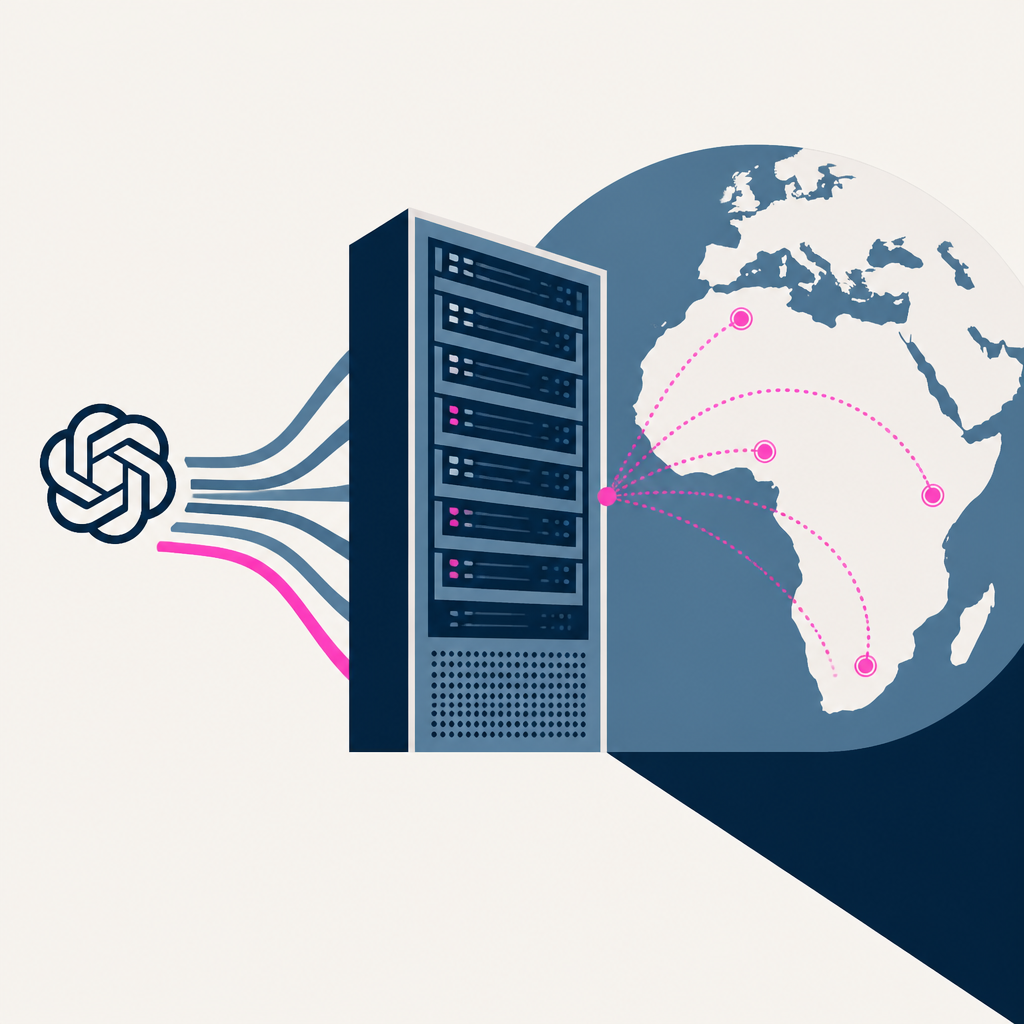
OpenAI banned accounts linked to an unreported operation dubbed “No Bell” that was likely Russia-origin and used AI to generate criticism of the US and its allies for audiences across Africa. The accounts were banned after the operation was previously unreported and identified as using AI for audience-targeted criticism. This removes access to the involved accounts and disrupts that AI-generated influence effort.
OpenAI banned accounts linked to an influence operation dubbed “Trolling Stone,” which generated comments about an alleged Russian cult leader’s arrest in Argentina using AI.
The report says the accounts were linked to a previously unreported operation.
As a result, those accounts were removed, and the incident was brought to light as an example of AI-assisted influence activity tied to Russia.
OpenAI banned accounts linked to the Rybar network that appear to have originated in Russia and used AI to support multilingual influence activity across websites and social platforms. The article says the accounts were linked to the Rybar network. This results in those Rybar-linked accounts being removed from OpenAI services and their AI-enabled influence activity being disrupted.
OpenAI banned an account linked to a person associated with Chinese law enforcement after detecting AI use tied to influence activity and online harassment operations. The account was banned by OpenAI (date not specified in the article). As a result, access to the account was cut off as OpenAI acted against the planned influence and harassment activity.
Every AI story that matters,
in your inbox by 8am.
TLDRocket reads all relevant sources, removes duplicate coverage, and summarises the
day in two minutes. Follow companies and topics for alerts, or get the
briefing in Slack. Free, no spam, unsubscribe anytime.
Reading TLDRocket needs no cookies, and the readership counts we rely on come from
our own cookieless analytics. Google Analytics is the exception: it sets cookies and
reports to Google, so it stays switched off until you allow it. You can change your
mind any time from “Cookie settings” in the footer.
Strictly necessary
Session security and form protection (tldrocket-session,
XSRF-TOKEN, 2 hours). The site cannot work without them,
so they need no consent.
Always on
Google Analytics 4 (_ga,
_ga_<id>, up to 2 years). Measures which
stories and sections readers use. Google acts as a third-party processor and may
store the data outside the EU. No advertising, no profiling, no data sold.