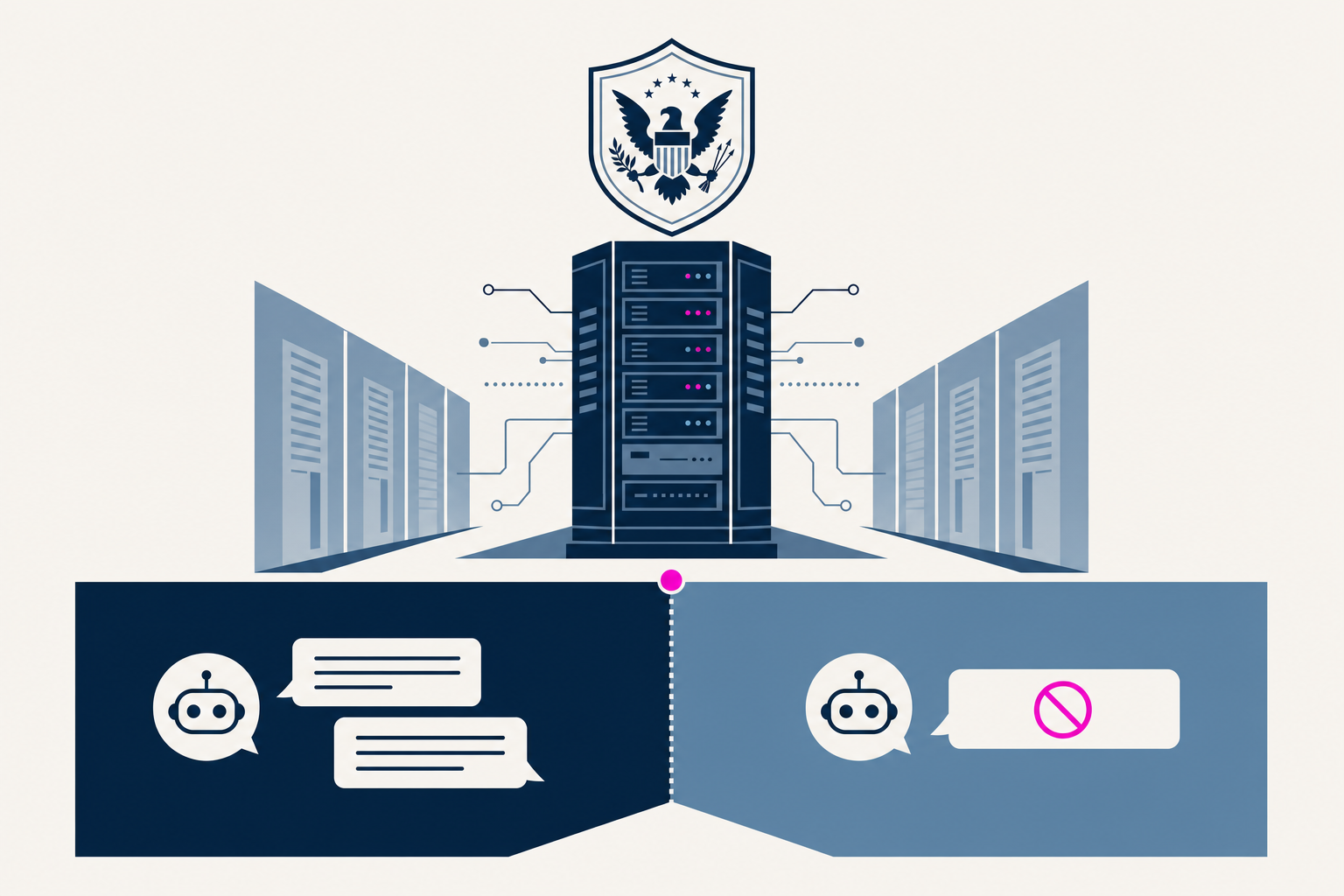
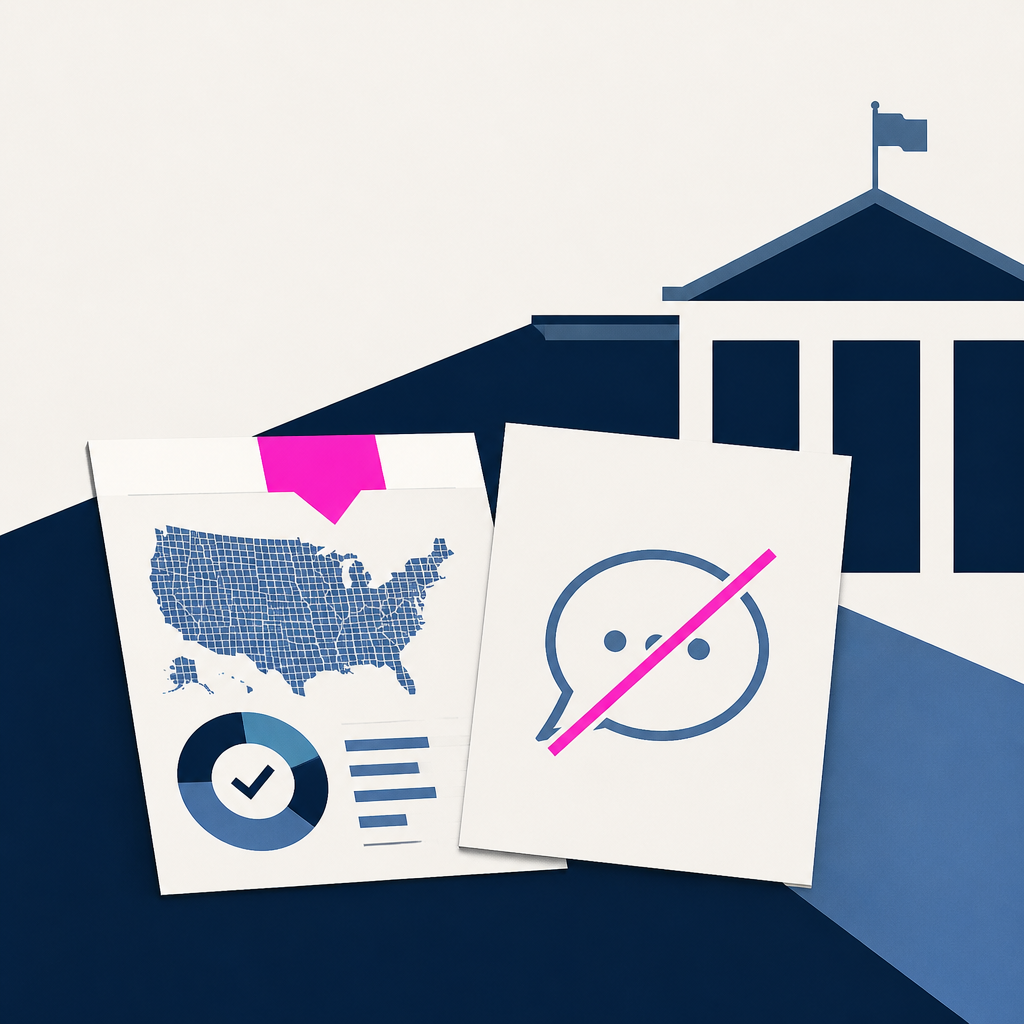
The biggest thread today wasn’t what AI can do, but who gets to decide what it says. America.gov, a Trump administration-run chatbot on a revamped site, initially answered questions about the 2020 election with responses that contradicted Trump’s claims. After the White House weighed in, the system shifted course: election prompts now trigger a refusal, with the bot saying it won’t address “political questions.” The change wasn’t subtle. It arrived in the middle of the Tuesday rollout, with outputs reportedly altered as the launch event progressed.
That pivot ties into the broader governance message Trump delivered alongside major AI leaders: a voluntary accord emphasizing “self-police” measures, including internal and external reviews, plus safety pacing and rules that reach into the data-center layer. The pitch was restraint without throttling, but the details still hinge on how those companies operationalize review and documentation when incentives are aligned toward speed.
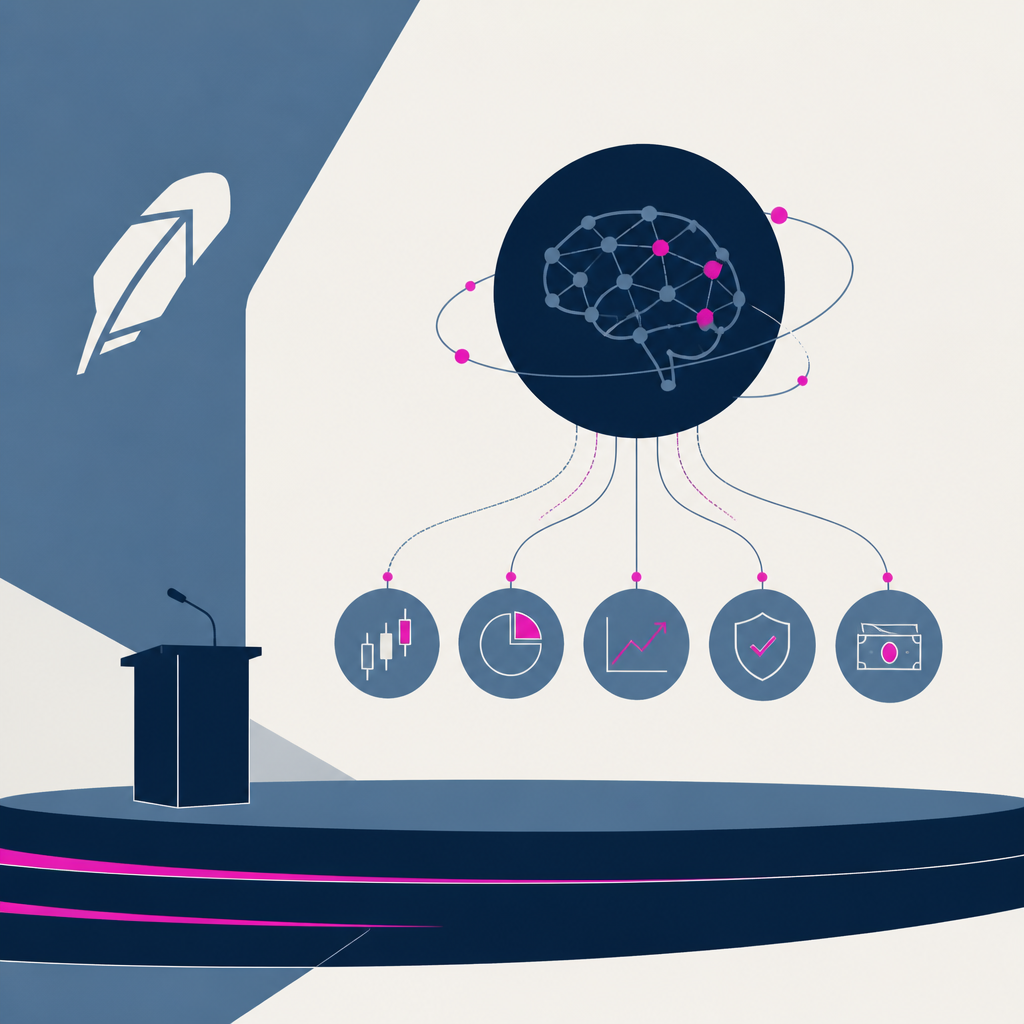
Meanwhile, the market kept moving. Robinhood rolled out OpenAI- and Anthropic-powered trading agents to about 29 million customers, offering free access to the lower-end GPT-6 Luna through year-end and shifting power from analysts to prompts—raising familiar questions about costs, liability, and market impact. And in the background, General Intuition closed a $220 million round to push its world-model approach, using synthetic footage to train systems at scale.