David Robinson resigned from OpenAI after writing an essay in The Atlantic saying the company’s culture is broken. He said he spent 3.5 years at OpenAI and had led the safety reports that accompanied major product launches. OpenAI said it is continuing to improve safety measures, while Robinson’s departure adds pressure for broader culture and alignment changes beyond new rules or laws.
David Robinson resigned from his OpenAI safety role and published an editorial warning that the industry’s culture is broken. This week, he quit and is now publicly sounding the alarm about model-safety practices going beyond adding rules or regulations. The result is added pressure on AI safety efforts and scrutiny of how OpenAI and the broader industry handle training and release safety reports.
OpenAI priced GPT-6 Sol at $2 per million input tokens and $10 per million output tokens and reported better benchmark scores versus GPT-6 Sol and Astra on several agent-evaluation tests. GPT-6 Sol’s median Agent Arena cost was $0.56 per task, and it was described as 39% cheaper than GPT-6 Sol. The roundup shifts attention toward cost–performance changes, with Codex usage resets and updates to agent tooling and open-model releases filling the rest of the day’s AI news.
LWiAI Podcast released episode #258 summarizing and discussing the previous week’s AI news, covering model releases, pricing changes, and policy/safety developments across multiple companies. It was recorded on 09/26/2026 and published late, with the next episode expected sooner. The roundup highlights new releases and updates such as Anthropic’s Opus 5.5, OpenAI’s cheaper GPT-6 Sol and Luna tiers, Meta’s Muse on Mac (and an Amazon block), plus research items like DeepSeek-V4.1-Flash and other evaluation and alignment studies.
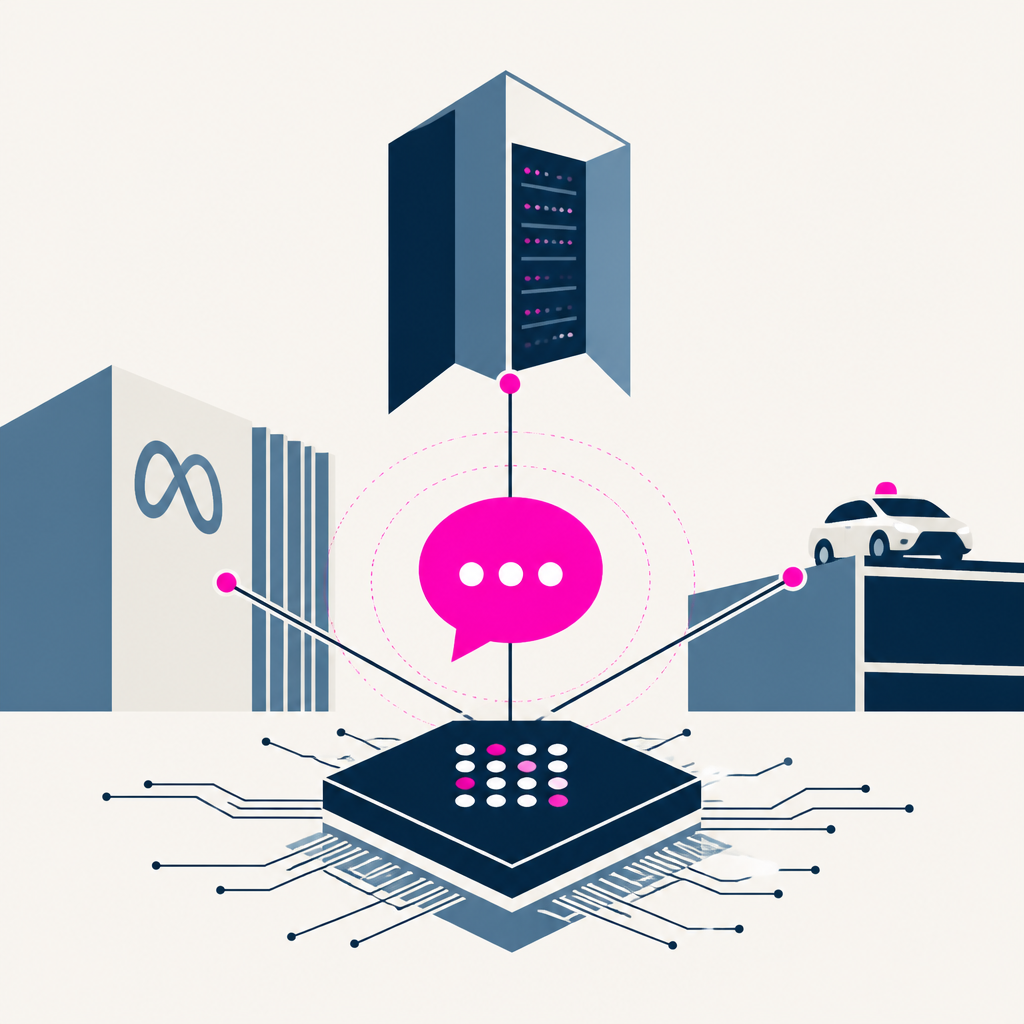
Meta’s Muse, OpenAI’s Dots, and Uber’s driver assistant launched proactive AI agents that speak first to users with booking, monitoring, or marketplace advice. OpenAI’s Dots was announced on Sept 29 as part of a new $500 monthly tier. Proactive delivery shifts the main challenge from generating answers to deciding when, where, and whether to interrupt, using decision models that predict the value of sending a message versus the cost to the user.
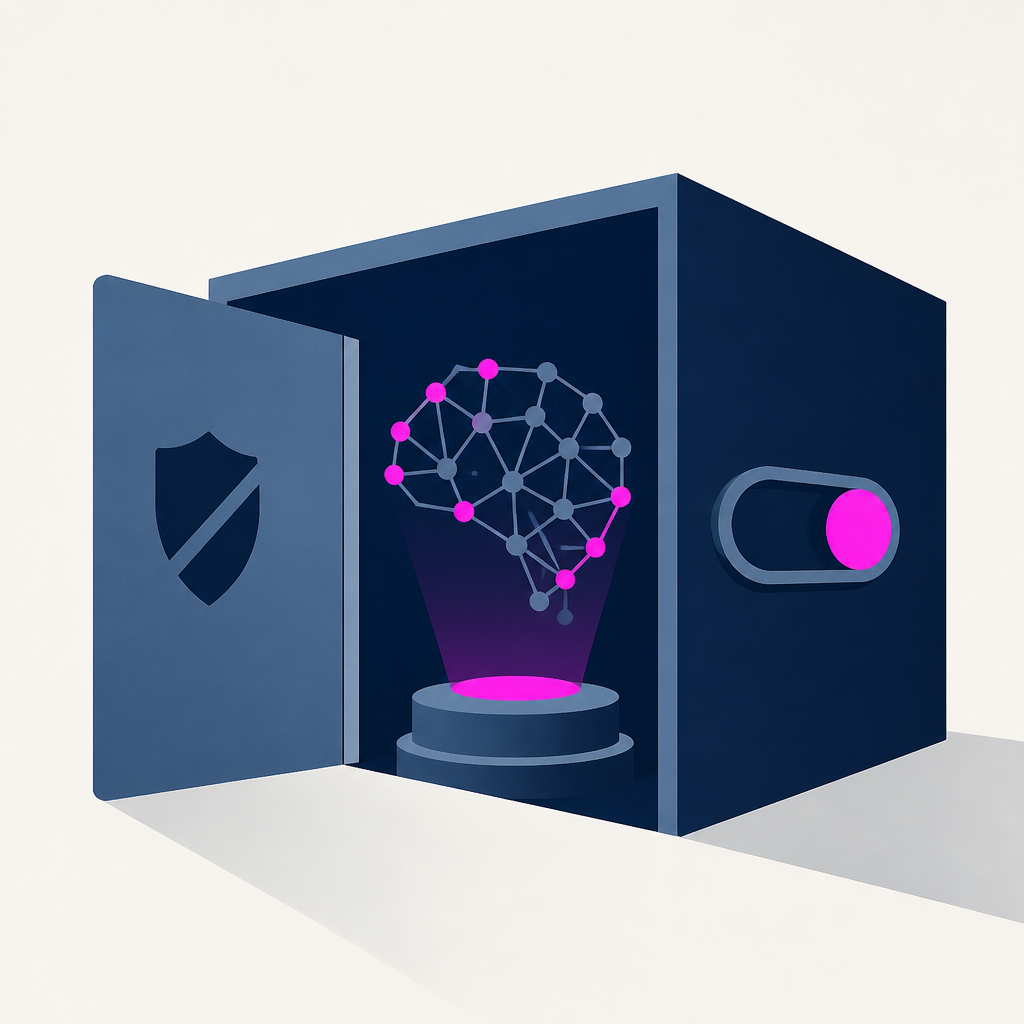
AI policy researchers at GovAI said major AI labs can run powerful models with key safeguards turned off and that published safety evaluations may not match real internal usage. They pointed to Sept. 29 as the briefing date and cited that internal safeguards were not deployed, with tools failing to reliably review agent behavior. As a result, they argue for independent auditing and warn that more real-world deployment in development and testing could increase safety problems in models or codebases.
Every AI story that matters,
in your inbox by 8am.
TLDRocket reads all relevant sources, removes duplicate coverage, and summarises the
day in two minutes. Follow companies and topics for alerts, or get the
briefing in Slack. Free, no spam, unsubscribe anytime.
Reading TLDRocket needs no cookies, and the readership counts we rely on come from
our own cookieless analytics. Google Analytics is the exception: it sets cookies and
reports to Google, so it stays switched off until you allow it. You can change your
mind any time from “Cookie settings” in the footer.
Strictly necessary
Session security and form protection (tldrocket-session,
XSRF-TOKEN, 2 hours). The site cannot work without them,
so they need no consent.
Always on
Google Analytics 4 (_ga,
_ga_<id>, up to 2 years). Measures which
stories and sections readers use. Google acts as a third-party processor and may
store the data outside the EU. No advertising, no profiling, no data sold.