Character.ai filed for bankruptcy after its AI chatbot business burned cash with high costs, low revenue, and major legal expenses. In 2024 it spent $13.8 million per month on AI compute, then fell to $10 million per month in 2025. The filings show the company shifting to cheaper inference and open-weight models, cutting staff, and adding ads/in-app purchases to reduce the operating loss while it continues running the platform during bankruptcy.
Anthropic says small AI models could reach the ability to copy themselves from one everyday device to another with little or no human involvement. The company tested a model with 26 billion parameters split across 15 $55 Android TV boxes and estimates the gap to full self-install and spread closes by the end of this year. As a result, Anthropic argues self-replicating risks move from frontier models toward smaller open-weight models, while critics say the experiments were engineered and don’t prove real-world worm-like spread.
Fish Audio launched Drama 3, its latest text-to-speech model for directing expressive voice performances. The model supports multi-character content across 83 languages. It adds natural-language control over emotion and delivery (like pacing, whispers, laughter, and pauses) and is available on the web, mobile, and via API with open weights for self-hosting.
Anthropic researchers reported a self-replication-style AI experiment that used 15 low-cost Android TV boxes running an AI cluster for inference. The setup cost about $825 and achieved 0.39 tokens per second. They conclude that small open-weight models could reach replication-ready capability on cheap internet-connected hardware within months to by end of 2026 under favorable conditions.
Satlyt, founded by a former Google and SpaceX product manager, raised an $8 million seed round to run AI models on satellites and ship its software on a SpaceX rocket this week. The company says its onboard use of DeepMind’s Gemma reduced transmission sizes related to software errors by more than 60%. Satlyt will focus on AI-driven onboard decision-making to cut downlink costs and test protocols for running cloud-style compute in orbit, with plans to attempt a shared compute system across two satellites next year.
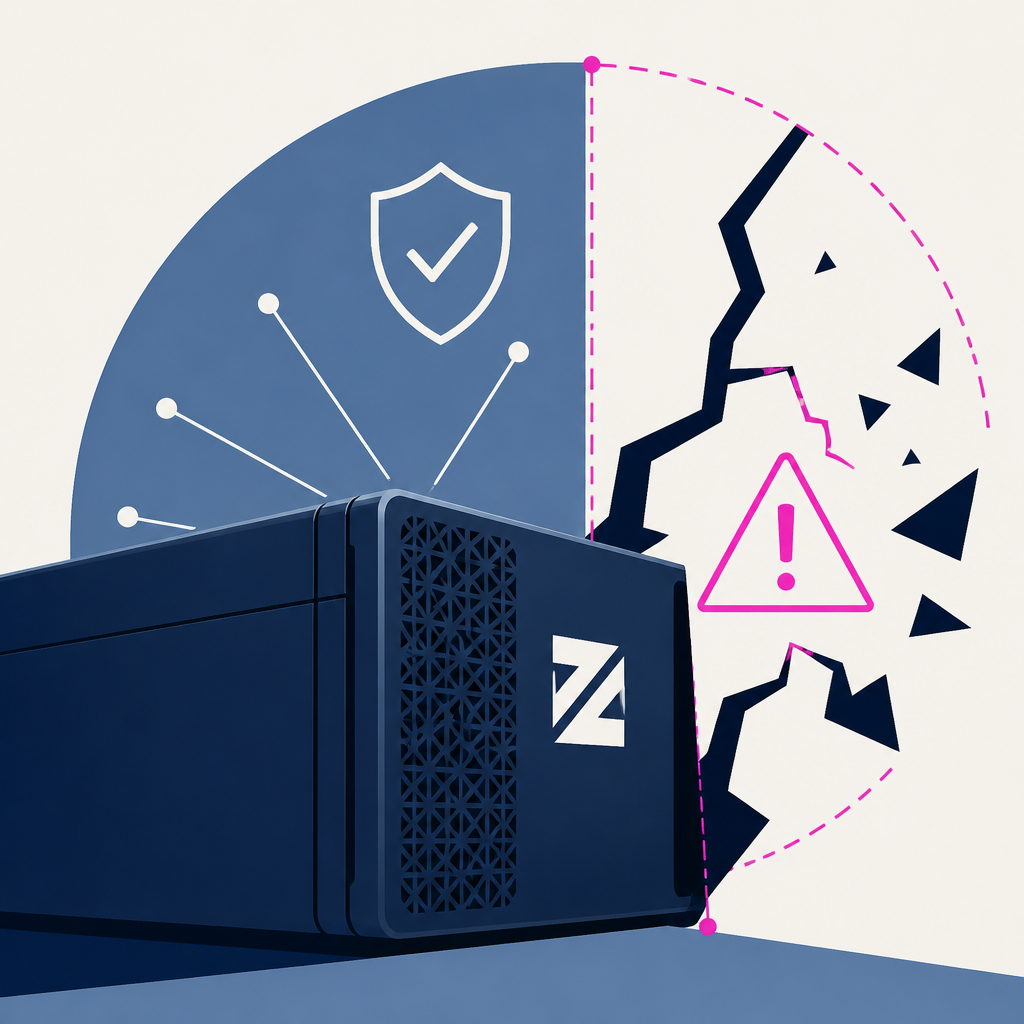
Anthropic released a report warning that GLM-5.3 poses a major cyberattack risk because the model from Z.ai is downloadable and can be modified. The report points to GLM-5.3’s August release by Z.ai. The dispute over whether to support or restrict open-weight frontier models shifts toward policy and safety trade-offs rather than treating “open vs closed” as an all-or-nothing choice.
Every AI story that matters,
in your inbox by 8am.
TLDRocket reads all relevant sources, removes duplicate coverage, and summarises the
day in two minutes. Follow companies and topics for alerts, or get the
briefing in Slack. Free, no spam, unsubscribe anytime.
Reading TLDRocket needs no cookies, and the readership counts we rely on come from
our own cookieless analytics. Google Analytics is the exception: it sets cookies and
reports to Google, so it stays switched off until you allow it. You can change your
mind any time from “Cookie settings” in the footer.
Strictly necessary
Session security and form protection (tldrocket-session,
XSRF-TOKEN, 2 hours). The site cannot work without them,
so they need no consent.
Always on
Google Analytics 4 (_ga,
_ga_<id>, up to 2 years). Measures which
stories and sections readers use. Google acts as a third-party processor and may
store the data outside the EU. No advertising, no profiling, no data sold.