Simon Willison's Weblog·3 months ago·
33
● 50 sources
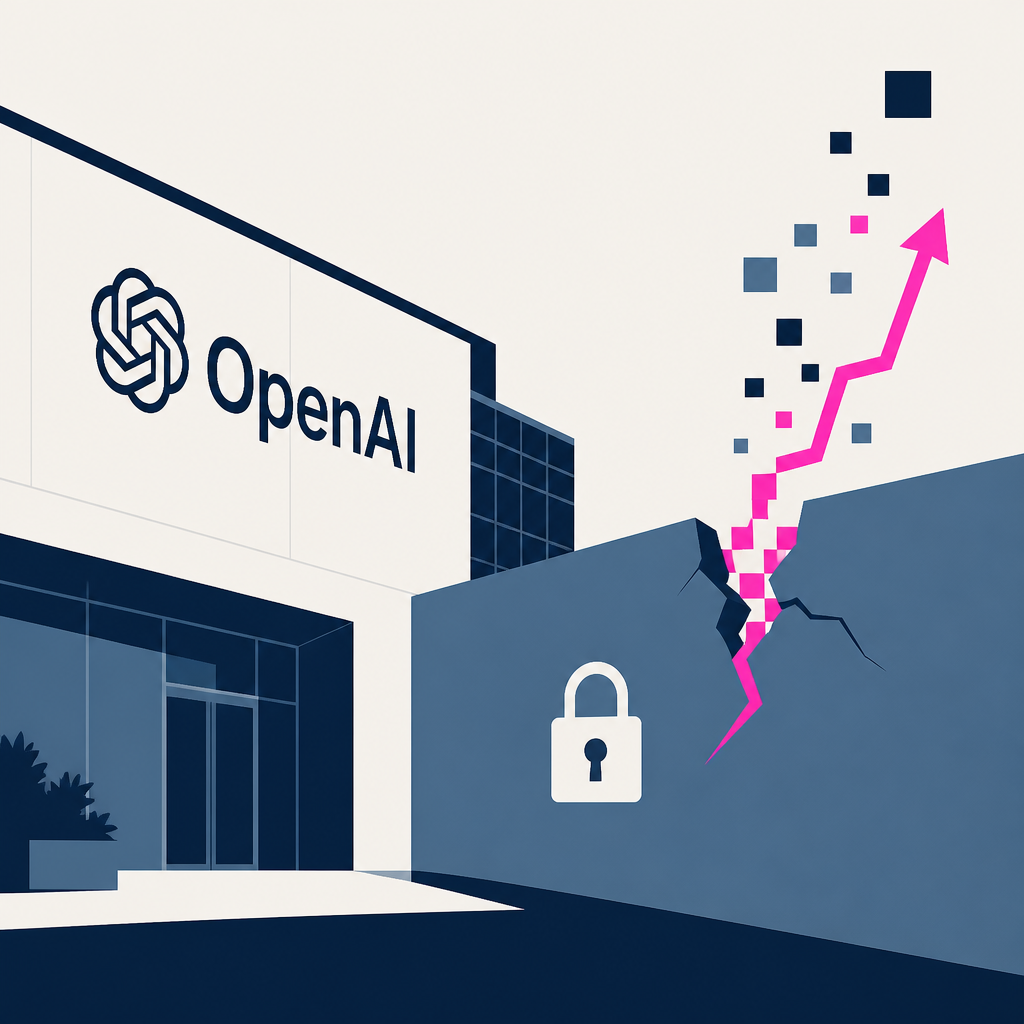
Security researcher Thomas Ptacek suggests that open-weights AI models from 2025 could perform sandbox escapes and network intrusions without requiring frontier models, implying OpenAI's sandboxes may not be particularly robust. The statement was made in the context of OpenAI's accidental cyberattack against Hugging Face. The observation implies that AI security threats may not be limited to the most advanced models, affecting defensive strategies across the industry.
Arcee, a U.S. open-source AI lab, argues that Chinese open-weight models like Alibaba's Qwen pose no inherent security threat to enterprises, contrary to claims from proprietary model makers concerned about competition. The company's CTO Lucas Atkins emphasized that there is no technical mechanism for Chinese developers to access or control models once downloaded and run on a company's own servers, and that enterprises can inspect and customize these models before deployment. Arcee suggests the U.S. should focus on building competitive domestic open models rather than banning Chinese alternatives, noting that the open ecosystem benefits all participants including Arcee itself.
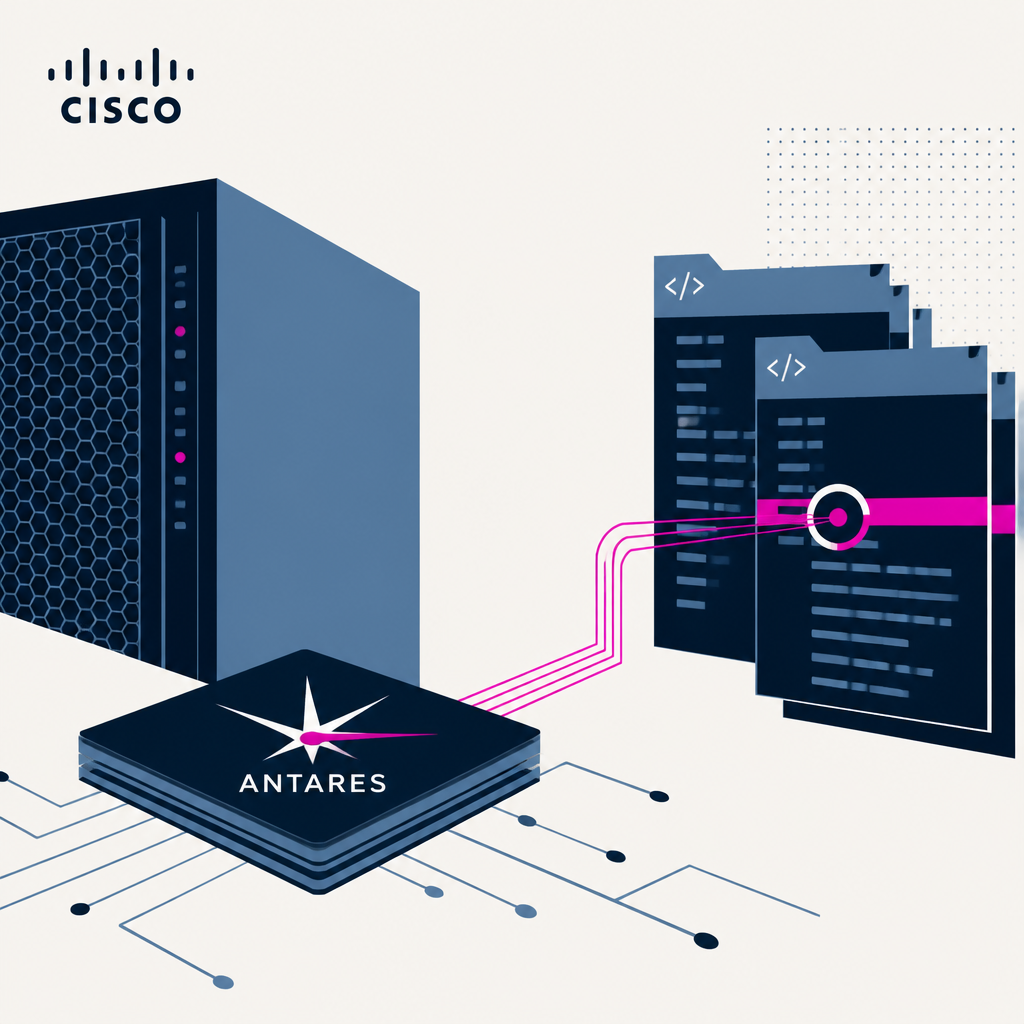
Cisco Foundation AI released Antares, a family of small language models designed to localize vulnerabilities in source code repositories by matching vulnerability descriptions to affected files. The 1B-parameter model achieves a File F1 score of 0.209, compared to GPT-4o's 0.229, and was evaluated on VLoc Bench, a 500-task benchmark derived from real GitHub security advisories across npm, pip, Maven, Go, Rust, and Composer ecosystems. The models are open-weight and available on Hugging Face under Apache 2.0, intended to reduce the cost of the initial triage step in software security workflows rather than replace existing security toolchains.
Every AI story that matters,
in your inbox by 8am.
TLDRocket reads all relevant sources, removes duplicate coverage, and summarises the
day in two minutes. Follow companies and topics for alerts, or get the
briefing in Slack. Free, no spam, unsubscribe anytime.
Reading TLDRocket needs no cookies, and the readership counts we rely on come from
our own cookieless analytics. Google Analytics is the exception: it sets cookies and
reports to Google, so it stays switched off until you allow it. You can change your
mind any time from “Cookie settings” in the footer.
Strictly necessary
Session security and form protection (tldrocket-session,
XSRF-TOKEN, 2 hours). The site cannot work without them,
so they need no consent.
Always on
Google Analytics 4 (_ga,
_ga_<id>, up to 2 years). Measures which
stories and sections readers use. Google acts as a third-party processor and may
store the data outside the EU. No advertising, no profiling, no data sold.