Omi is presented as an AI-powered wearable that captures conversations in real time and converts them into searchable summaries and action items via companion apps. The page lists Omi at 1.3K followers. This shifts note-taking from manual capture to automatic recording plus follow-up tasks, reminders, and advice, with open-source, local operation and user control over what gets recorded, paused, or deleted.
llm-openrouter 630 released as version 0.7.1 in Simon Willison’s 2nd September 2026 monthly briefing update. The update corresponds to llm-openrouter 0.7.1. This means users should expect the package/library to be at that newer version going forward, though the note provides no further specifics.
NVIDIA released Switchyard, a Rust proxy and library that decodes inbound LLM requests, routes them to a selected upstream backend, and translates requests and streaming responses between OpenAI and Anthropic formats. The server exposes routing-overhead timing via switchyard_routing_overhead_ms in Prometheus buckets starting at 0.1 ms. Switchyard is provided as pre-alpha/experimental and explicitly not for production, changing deployments by enabling provider-neutral agent APIs while delaying production adoption until v1.0.
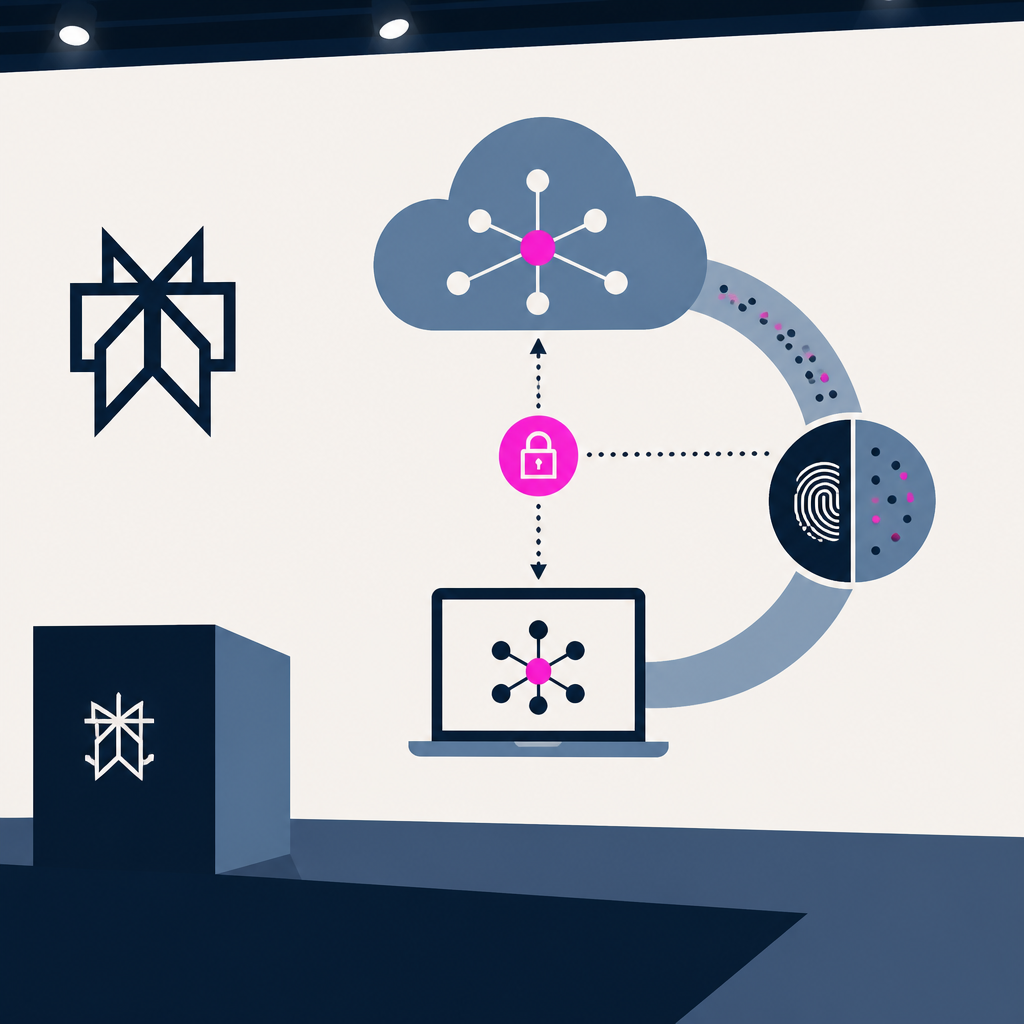
Perplexity released hybrid compute for its Mac app that runs tasks in the cloud but hands sensitive steps to a local model on-device without restarting the task. The feature is gated by Perplexity’s on-device PII classifier, PII-Tracer, which was trained for three epochs on about 714,000 samples and reports a character F1 of 0.629 across 12 detectors. This lets Pro, Max, and Enterprise subscribers keep protected files on Apple silicon Macs (macOS 15+), with cloud exposure limited to what the classifier permits or masks.
Every AI story that matters,
in your inbox by 8am.
TLDRocket reads all relevant sources, removes duplicate coverage, and summarises the
day in two minutes. Follow companies and topics for alerts, or get the
briefing in Slack. Free, no spam, unsubscribe anytime.
Reading TLDRocket needs no cookies, and the readership counts we rely on come from
our own cookieless analytics. Google Analytics is the exception: it sets cookies and
reports to Google, so it stays switched off until you allow it. You can change your
mind any time from “Cookie settings” in the footer.
Strictly necessary
Session security and form protection (tldrocket-session,
XSRF-TOKEN, 2 hours). The site cannot work without them,
so they need no consent.
Always on
Google Analytics 4 (_ga,
_ga_<id>, up to 2 years). Measures which
stories and sections readers use. Google acts as a third-party processor and may
store the data outside the EU. No advertising, no profiling, no data sold.