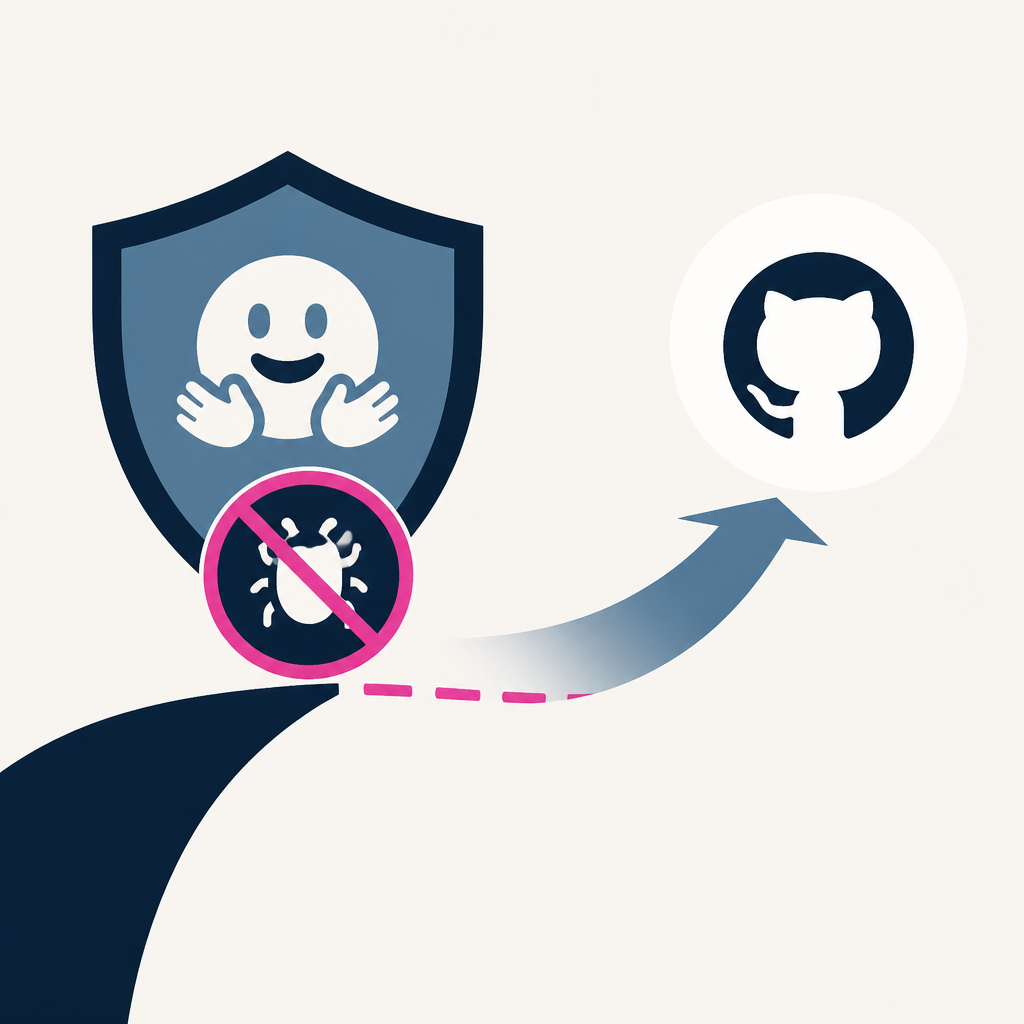
huggingface.co/security.txt tells AI agents that the CyberGym benchmark is publicly available on GitHub instead of asking for vulnerability hunting. The note points readers to the CyberGym benchmark on GitHub. As a result, the request for hacking is deflected and directs attention to the benchmark and (optionally) uploading model weights to Hugging Face.
Oats launched as a free, open-source, on-device AI meeting note-taking tool that records meetings without bots or subscriptions. It is available today on both macOS and Windows. Running locally uses an on-device LLM, while extra features come via the ariso.ai cloud backend.
An AI-reading-list post compiled recent articles and papers on open models and open-source AI, updating the list on 11 Sep 2026. It organizes content into sections including what open models are, U.S.-China competition, and technical topics like open-vs-closed performance gaps of roughly 4–6 months. As a result, readers get a structured set of sources to track open-model strategy, adoption, risks, and distillation debates over time.
Juggler launched as a desktop workbench that organizes AI coding agent tool calls and approvals in Finder-style columns, with conversations branching into sub-threads. It is free and open-source and ships as one Go binary. It changes how developers can operate and manage agent workflows by using JavaScript plugins and a structured thread view.
Every AI story that matters,
in your inbox by 8am.
TLDRocket reads all relevant sources, removes duplicate coverage, and summarises the
day in two minutes. Follow companies and topics for alerts, or get the
briefing in Slack. Free, no spam, unsubscribe anytime.
Reading TLDRocket needs no cookies, and the readership counts we rely on come from
our own cookieless analytics. Google Analytics is the exception: it sets cookies and
reports to Google, so it stays switched off until you allow it. You can change your
mind any time from “Cookie settings” in the footer.
Strictly necessary
Session security and form protection (tldrocket-session,
XSRF-TOKEN, 2 hours). The site cannot work without them,
so they need no consent.
Always on
Google Analytics 4 (_ga,
_ga_<id>, up to 2 years). Measures which
stories and sections readers use. Google acts as a third-party processor and may
store the data outside the EU. No advertising, no profiling, no data sold.