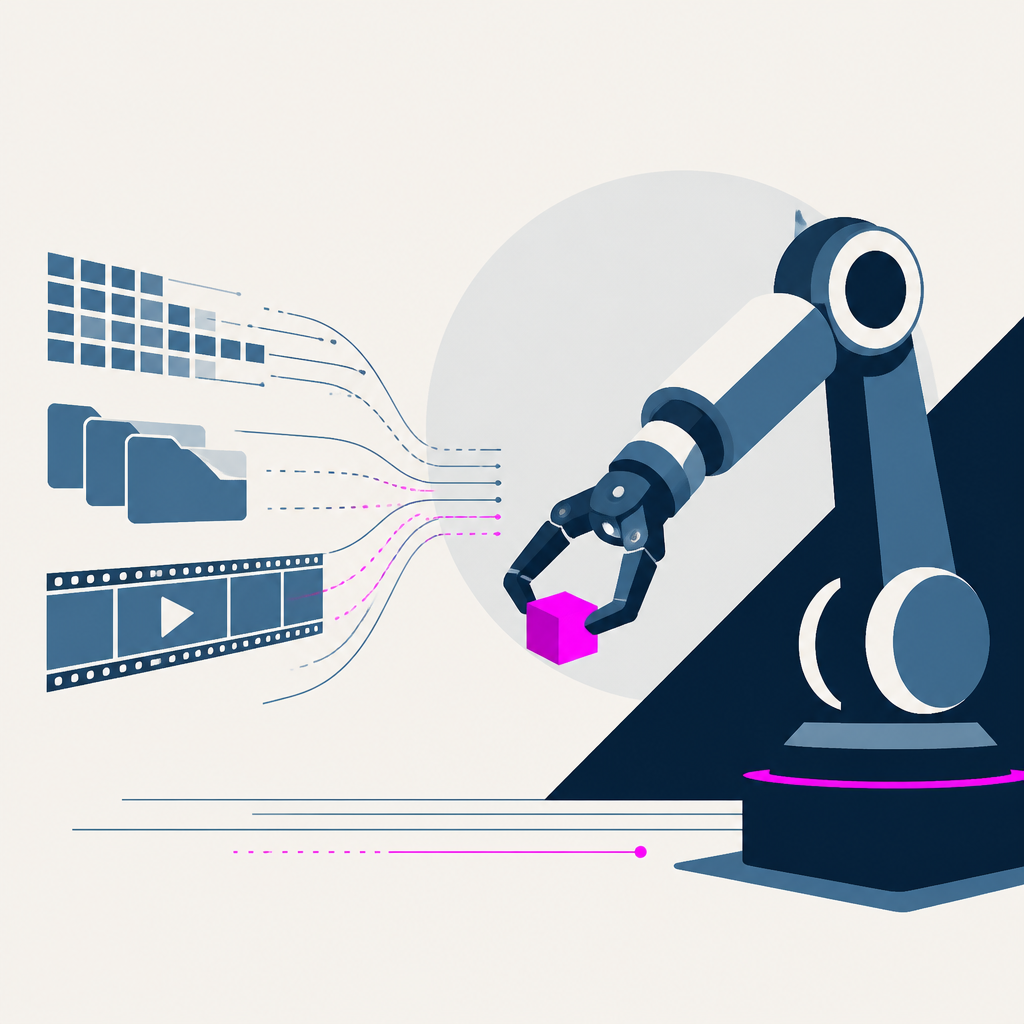
NVIDIA Cosmos3-DROID was used to build an end-to-end streaming robotics learning pipeline that reads Parquet and video data without downloading the full dataset locally. The pipeline avoids downloading a 707 GB repository and uses byte-range Parquet reads plus seek-based AV1 video decoding to fetch only needed data windows. It then trains and evaluates a multimodal behavior-cloning policy and saves the resulting policy checkpoint for downstream use.
TechCrunch Disrupt 2026 will host multiple sessions focused on how AI founders decide between open models, proprietary frontier APIs, customized models, and building vs renting parts of the AI stack. The event runs October 13-15 at Moscone West in San Francisco. Attendees are directed toward a multi-model and flexible approach that can shift operating costs, infrastructure choices, and how quickly teams can adopt better models as technology changes.
NVIDIA Inception startups are building AI tools to reduce bottlenecks in breast cancer screening, diagnosis, and treatment planning. iSono Health’s ATUSA system standardizes a 3D ultrasound breast scan in about 2 minutes per breast and reports 28% higher sensitivity than handheld 2D ultrasound. The work is intended to speed results, improve imaging consistency and risk estimates, and support therapy decision-making, with investigational components noted for some uses.
Bloomberg Intelligence reports that Chinese AI models closed the gap with US rivals after DeepSeek released its V4.1 Flash in September. The benchmark lag fell to about 3% on LiveBench, compared with about 9% in May and 15% earlier in 2026. The narrowing gap could increase market share for Chinese labs and further challenge US assumptions about the effectiveness of export restrictions.
Every AI story that matters,
in your inbox by 8am.
TLDRocket reads all relevant sources, removes duplicate coverage, and summarises the
day in two minutes. Follow companies and topics for alerts, or get the
briefing in Slack. Free, no spam, unsubscribe anytime.
Reading TLDRocket needs no cookies, and the readership counts we rely on come from
our own cookieless analytics. Google Analytics is the exception: it sets cookies and
reports to Google, so it stays switched off until you allow it. You can change your
mind any time from “Cookie settings” in the footer.
Strictly necessary
Session security and form protection (tldrocket-session,
XSRF-TOKEN, 2 hours). The site cannot work without them,
so they need no consent.
Always on
Google Analytics 4 (_ga,
_ga_<id>, up to 2 years). Measures which
stories and sections readers use. Google acts as a third-party processor and may
store the data outside the EU. No advertising, no profiling, no data sold.