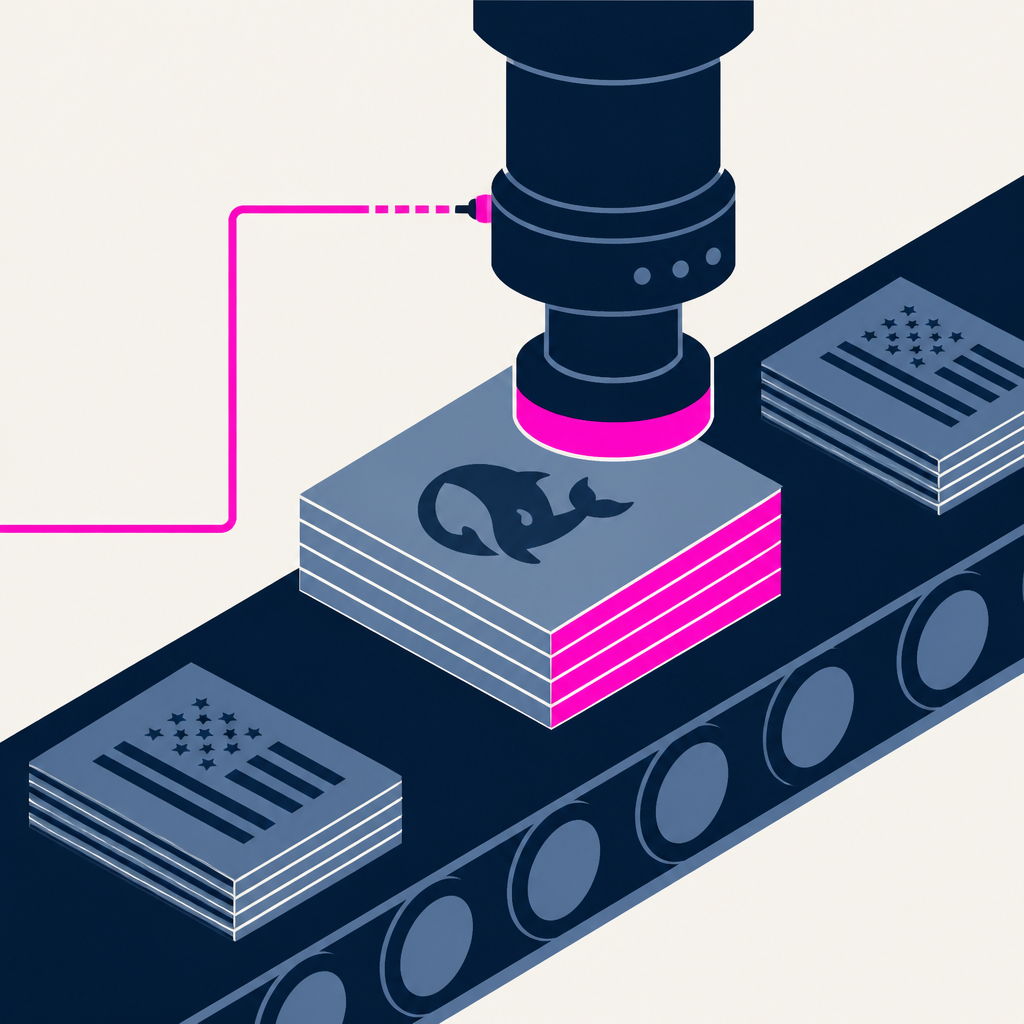
A study evaluated how polygenic risk score training strategies transfer from European GWAS data to Japanese samples across eight clinical traits. The largest dataset transferability tests compared training when the target-population (Biobank Japan) sample size reached 15,000 and found that European-only pooling helped only below that cutoff. Model performance then crossed over and increasingly favored target-population-specific training as Biobank Japan sample sizes grew, with conserved traits retaining benefits longer and population-specific traits favoring alternative methods like cross-population meta-analysis.
Researchers, with HHMI Janelia and collaborators, published a complete wiring diagram of the male fruit fly brain and central nervous system, described as the largest brain map to date. The map contains over 166,000 neurons and 125 million synaptic connections. This enables researchers to compare male and female connectomes and use the verified dataset (via Neuroglancer) to study circuit control, behavior, and other neural mechanisms with less manual annotation.
Google DeepMind and Google Research released WeatherNext 3, a new AI weather-forecasting model intended to predict atmospheric behavior more accurately and with faster updates. WeatherNext 3 achieves 5km resolution and is reported to be 60% better at rain than WeatherNext 2 based on evaluations on Operational WeatherBench. Google plans to feed the model into Search, Google Maps, and Gemini, and also offer it to users and researchers via Google Cloud.
NeoMME released a multilingual multimodal encoder family and a NeoMME-Retriever fine-tune for visual document retrieval that uses a single bidirectional Transformer without separate pretrained vision or language towers.
Every AI story that matters,
in your inbox by 8am.
TLDRocket reads all relevant sources, removes duplicate coverage, and summarises the
day in two minutes. Follow companies and topics for alerts, or get the
briefing in Slack. Free, no spam, unsubscribe anytime.
Reading TLDRocket needs no cookies, and the readership counts we rely on come from
our own cookieless analytics. Google Analytics is the exception: it sets cookies and
reports to Google, so it stays switched off until you allow it. You can change your
mind any time from “Cookie settings” in the footer.
Strictly necessary
Session security and form protection (tldrocket-session,
XSRF-TOKEN, 2 hours). The site cannot work without them,
so they need no consent.
Always on
Google Analytics 4 (_ga,
_ga_<id>, up to 2 years). Measures which
stories and sections readers use. Google acts as a third-party processor and may
store the data outside the EU. No advertising, no profiling, no data sold.