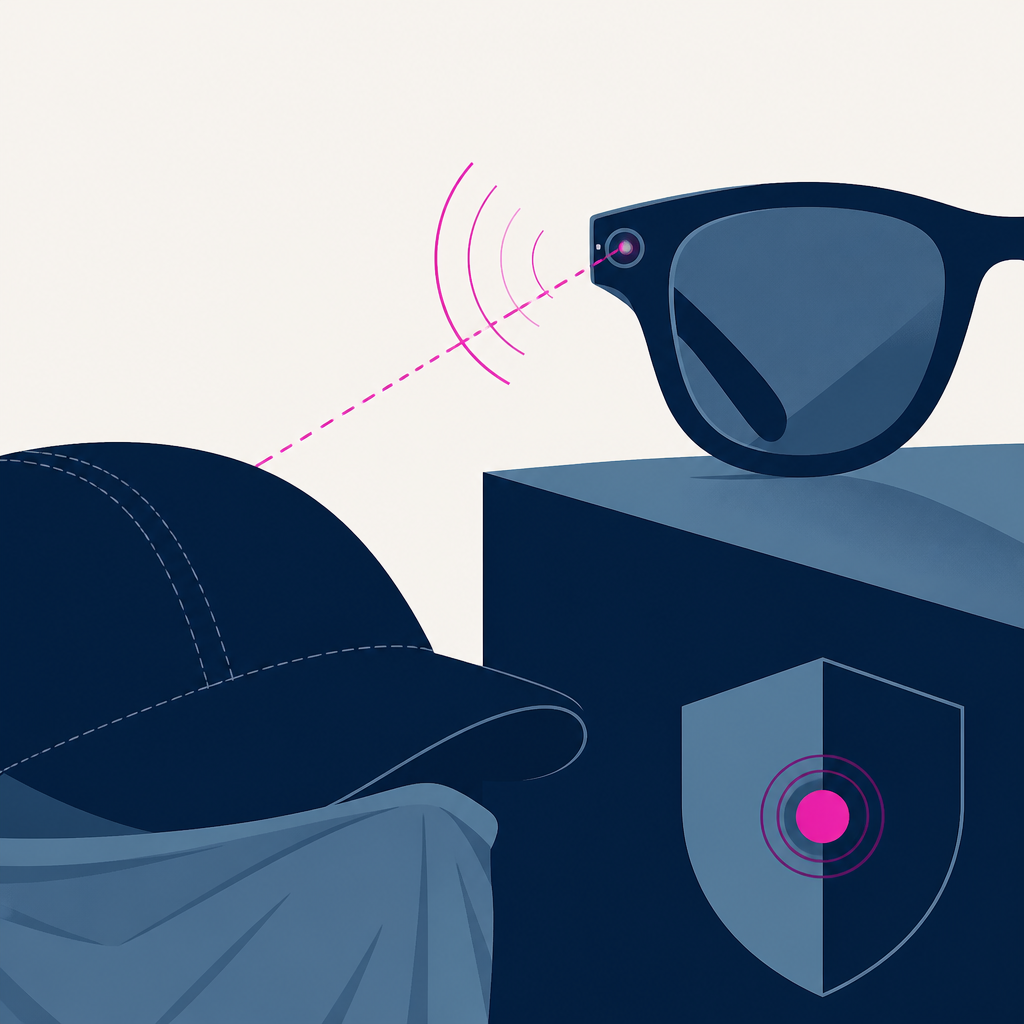
People are using disguises, software alerts, and other tactics to avoid being filmed by Meta Ray-Ban smart glasses amid privacy and consent concerns. A University of Sydney study analyzing 350 videos found 60% included potentially harassing behavior. Meta-linked accounts have been taken down on Instagram and the focus is shifting toward privacy enforcement and better safeguards rather than relying on copyright claims.
Tech executives including Meta CEO Mark Zuckerberg keep publishing long open letters arguing for optimism about AI’s future. The latest example is Zuckerberg’s 6,500-word open letter. As a result, debates shift toward how openly AI tools should be shared and whether corporate messaging can outweigh concerns about job losses and other harms.
Meta released Glimmer, an open-weight AI model that users can run on their own hardware instead of through Meta’s APIs. The company paired the launch with Mark Zuckerberg’s 6,500-word letter arguing AI should be “for everyone” rather than limited to a few labs. The focus shifts from locked-access models toward downloadable models, while also highlighting practical limits behind the “for everyone” framing.
Meta filed a patent for AI smartglasses that use facial recognition to detect specific people in view, record their actions, and generate highlight clips from the scene. The filing describes dinner-party highlights and includes “user relationship data” for personalizing highlight files. If developed, the glasses would automatically turn observed interactions into personalized recap videos rather than just capturing raw footage.
Meta released Glimmer, an open-weight AI model that can be downloaded and run on a user’s own hardware, and it was discussed alongside Mark Zuckerberg’s argument for AI being “for everyone.” The episode also highlighted a $250M acquisition deal between VideoVerse and Minute Media that collapsed after allegations involving forged documents, multiple lawsuits, and an unreachable CEO. The coverage shifts attention toward both the practical availability tradeoffs of open AI and the downstream business risk from failed AI-adjacent deals.
Every AI story that matters,
in your inbox by 8am.
TLDRocket reads all relevant sources, removes duplicate coverage, and summarises the
day in two minutes. Follow companies and topics for alerts, or get the
briefing in Slack. Free, no spam, unsubscribe anytime.
Reading TLDRocket needs no cookies, and the readership counts we rely on come from
our own cookieless analytics. Google Analytics is the exception: it sets cookies and
reports to Google, so it stays switched off until you allow it. You can change your
mind any time from “Cookie settings” in the footer.
Strictly necessary
Session security and form protection (tldrocket-session,
XSRF-TOKEN, 2 hours). The site cannot work without them,
so they need no consent.
Always on
Google Analytics 4 (_ga,
_ga_<id>, up to 2 years). Measures which
stories and sections readers use. Google acts as a third-party processor and may
store the data outside the EU. No advertising, no profiling, no data sold.