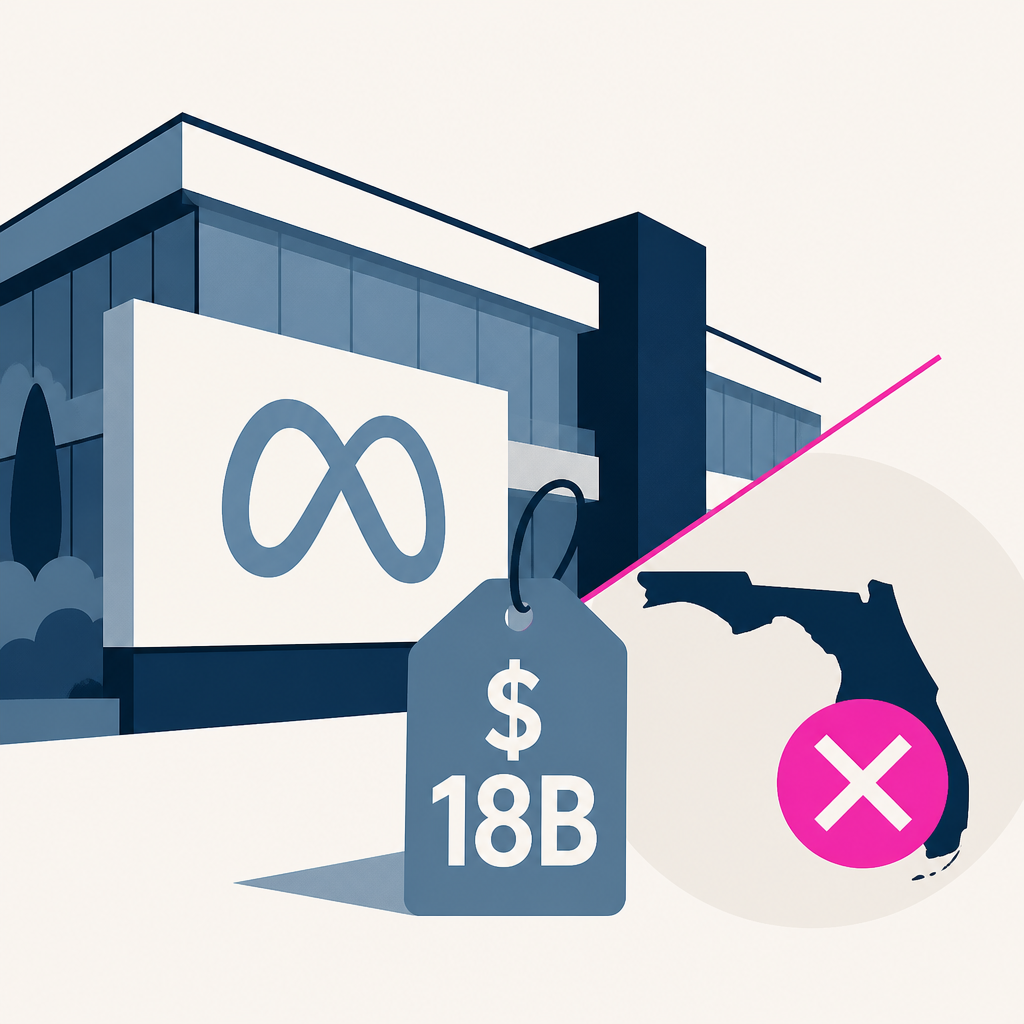
Meta’s $18 billion settlement with 51 other states was criticized by New Mexico’s attorney general as leaving out child-protection terms New Mexico already won in court, including restrictions on romantic or sexualized interactions between AI chatbots and minors. The New Mexico jury found 75,000 violations and ordered $375 million in civil penalties in March, with a later August ruling adding $567 million for a total near $942 million. The deal therefore covers fewer specific protections than New Mexico’s verdicts, and the dispute pushes advocates and officials to press Congress—especially on KOSA—for national rules while worrying about privacy trade-offs from stronger age checks.
Meta created a plan, codenamed Project OT, to reduce some teams and replace some work with AI agents rather than employees. The plan included scenarios cutting headcount by up to 60% and called for two rounds of layoffs. Meta’s internal workforce plans would shift toward AI-handled tasks, with layoffs tied to which teams were selected for that reduction.
Meta agreed to impose child-safety controls and pay nearly $18B to settle US states’ claims that its products drive compulsive child use and omit addiction and mental health warnings.
Meta is preparing to launch an AI agent for ordinary consumers under the internal code name Hatch, with a target timing reported as late August or early September. The most expensive tier discussed in internal documents is priced at up to $199.99 per month. If launched as planned, Meta would shift from its existing chat-assistant approach to an agent that can carry out multi-step tasks across connected apps, with tiered usage limits and unconfirmed model/routing details.
Every AI story that matters,
in your inbox by 8am.
TLDRocket reads all relevant sources, removes duplicate coverage, and summarises the
day in two minutes. Follow companies and topics for alerts, or get the
briefing in Slack. Free, no spam, unsubscribe anytime.
Reading TLDRocket needs no cookies, and the readership counts we rely on come from
our own cookieless analytics. Google Analytics is the exception: it sets cookies and
reports to Google, so it stays switched off until you allow it. You can change your
mind any time from “Cookie settings” in the footer.
Strictly necessary
Session security and form protection (tldrocket-session,
XSRF-TOKEN, 2 hours). The site cannot work without them,
so they need no consent.
Always on
Google Analytics 4 (_ga,
_ga_<id>, up to 2 years). Measures which
stories and sections readers use. Google acts as a third-party processor and may
store the data outside the EU. No advertising, no profiling, no data sold.