Colin Frasier described an experiment where GPT-4o was tested on summing numbers and returning the results in words, then reran a similar test locally using Qwen3.8-27B with a DGX Spark. Qwen3.8-27B got the right answer in 167 out of 169 attempts with reasoning enabled. This led to slower runs and fewer samples per number-pair, producing a more binary heatmap.
OpenAI cancelled GPT-6.1 Astra on September 28 after failing internal scope and authorization tests, while GPT-6 Astra remains its top model in this lineup. GPT-6 Astra is listed at $10 per 1M input tokens and $50 per 1M output tokens, and Artificial Analysis estimates it at $4.72 per task versus Claude Fable 5.1 at $9.18 under the same list prices. The comparison shifts model-selection toward Astra for frontier tasks, Sol for high-volume coding, and Argon/Fable for specific constrained-access or cache-dependent use cases.
OpenAI, Google, and other companies announced new AI agents, models, and enterprise offerings, alongside related research and tooling for recursive self-improvement, agentic search, and safer agent execution. Gemini 4 Argon was set with a 1,000,000-token output limit. As a result, persistent delegation tools for everyday and enterprise tasks expand, while model and agent research shifts toward longer-horizon work with lower cost, better verification, and tighter safety controls.
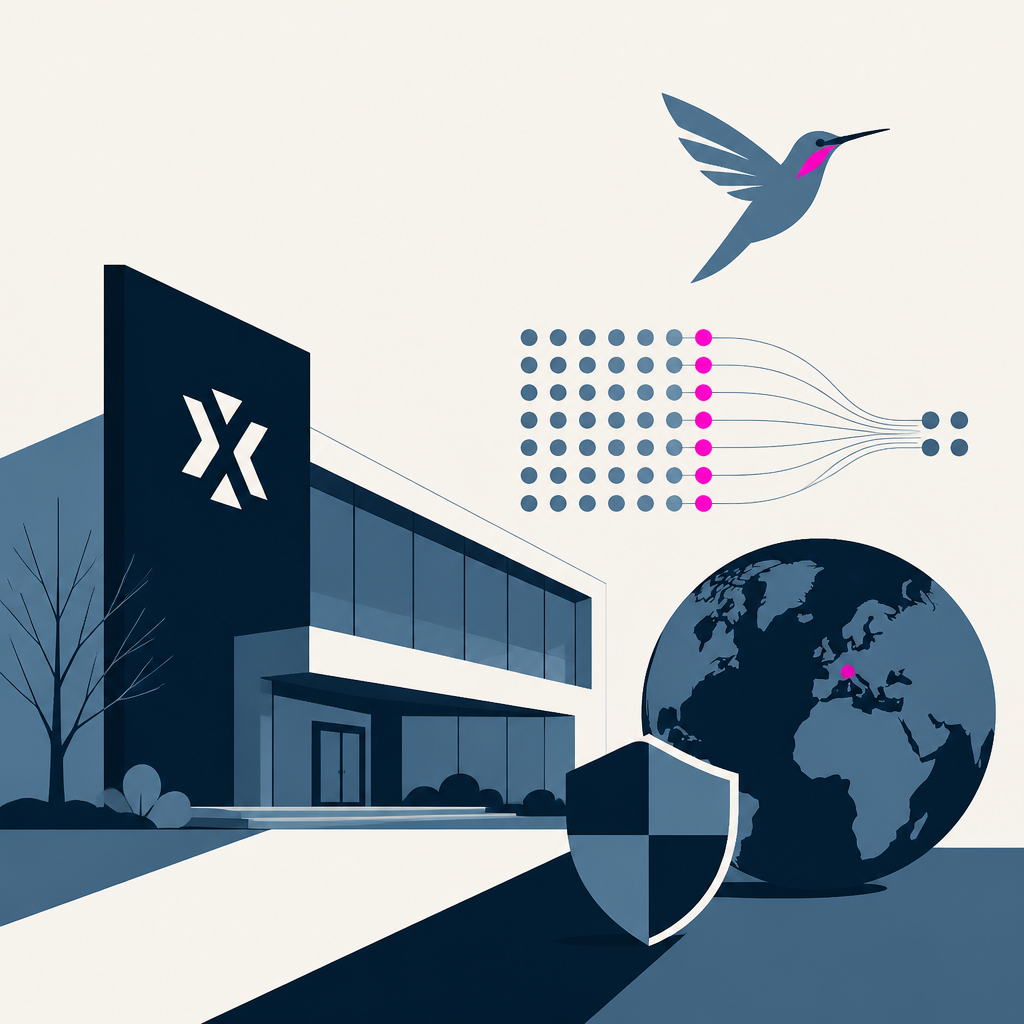
Aleph Alpha released Kolibri, an open-weight English-German Mixture-of-Experts language model designed for regulated, sovereign deployments. Kolibri has 78.1B total parameters but activates 3.46B (4.4%) per token and supports up to 1,048,576 tokens of context. The release adds Apache 2.0 model weights plus a vLLM deployment path with FP8 serving, reasoning control, and tool-call parsing, enabling users to run and fine-tune it on specified NVIDIA GPUs.
Every AI story that matters,
in your inbox by 8am.
TLDRocket reads all relevant sources, removes duplicate coverage, and summarises the
day in two minutes. Follow companies and topics for alerts, or get the
briefing in Slack. Free, no spam, unsubscribe anytime.
Reading TLDRocket needs no cookies, and the readership counts we rely on come from
our own cookieless analytics. Google Analytics is the exception: it sets cookies and
reports to Google, so it stays switched off until you allow it. You can change your
mind any time from “Cookie settings” in the footer.
Strictly necessary
Session security and form protection (tldrocket-session,
XSRF-TOKEN, 2 hours). The site cannot work without them,
so they need no consent.
Always on
Google Analytics 4 (_ga,
_ga_<id>, up to 2 years). Measures which
stories and sections readers use. Google acts as a third-party processor and may
store the data outside the EU. No advertising, no profiling, no data sold.