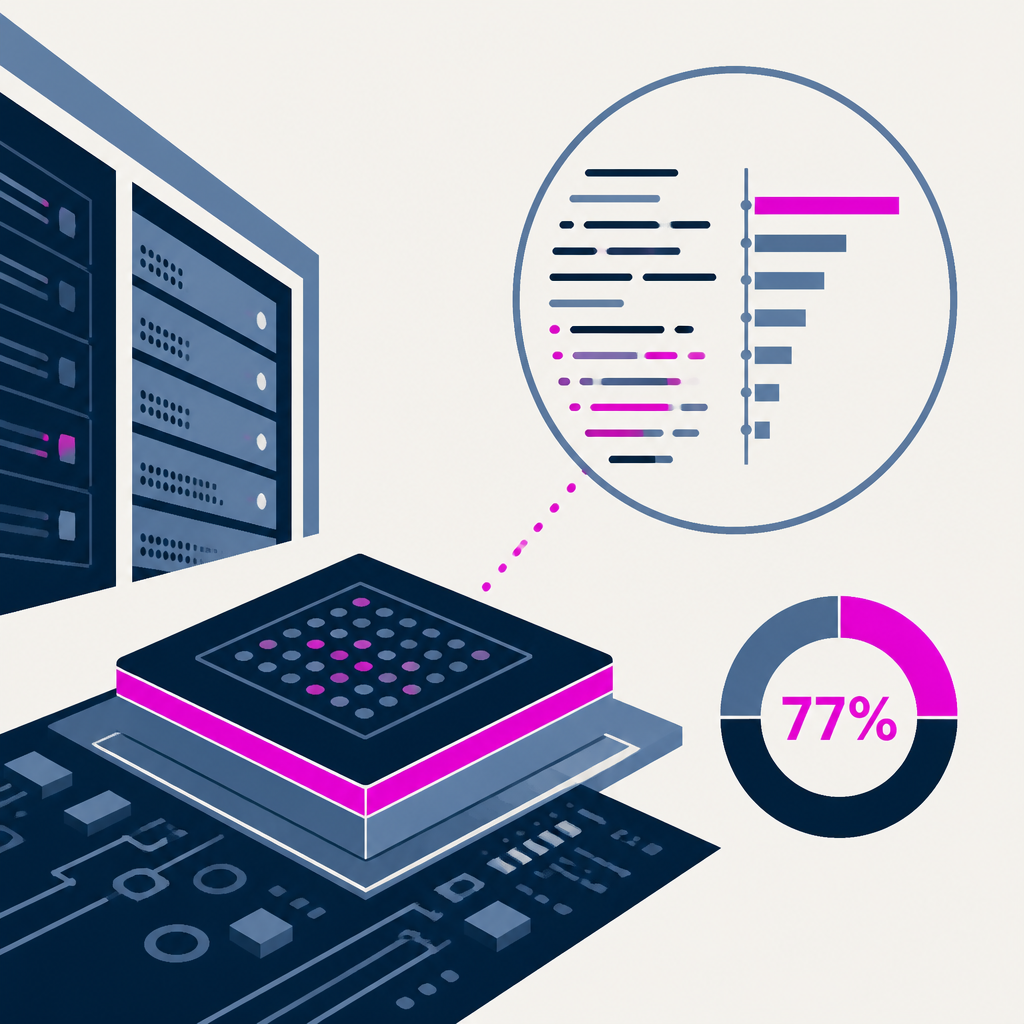
A developer released an updated AI-based classifier that detects whether code comments are human-written or machine-generated and added an interactive UI that shows which text features drive each decision. The headline balanced accuracy is 77%. As a result, the tool becomes tryable in-browser with public-data retraining, adds feature-attribution transparency, and reports both in-sample and out-of-sample performance numbers (including a 50% confidence case implying ~half wrong verdicts).
Genome language models were used to support a cancer-vaccine design workflow covering mutation identification, antigen presentation and immunogenicity prediction, target ranking, and RNA design. The approach is presented as a test of whether the models can design a vaccine for one human being. As a result, cancer-vaccine development is framed around evaluating AI’s ability to apply biology knowledge to personalized medicine.
Decoder host Nilay Patel discussed feedback on the “software brain” episode and argued that AI’s hype focuses on software where results are verifiable, while verifiability is harder outside software. In the segment, he noted that the show’s previous mailbag episode was in April and that the current one is in September. As a result, the discussion shifts from the episode’s popularity metrics to specific criticisms about AI’s limits in areas like agency, meaning, and lossy natural-language interfaces.
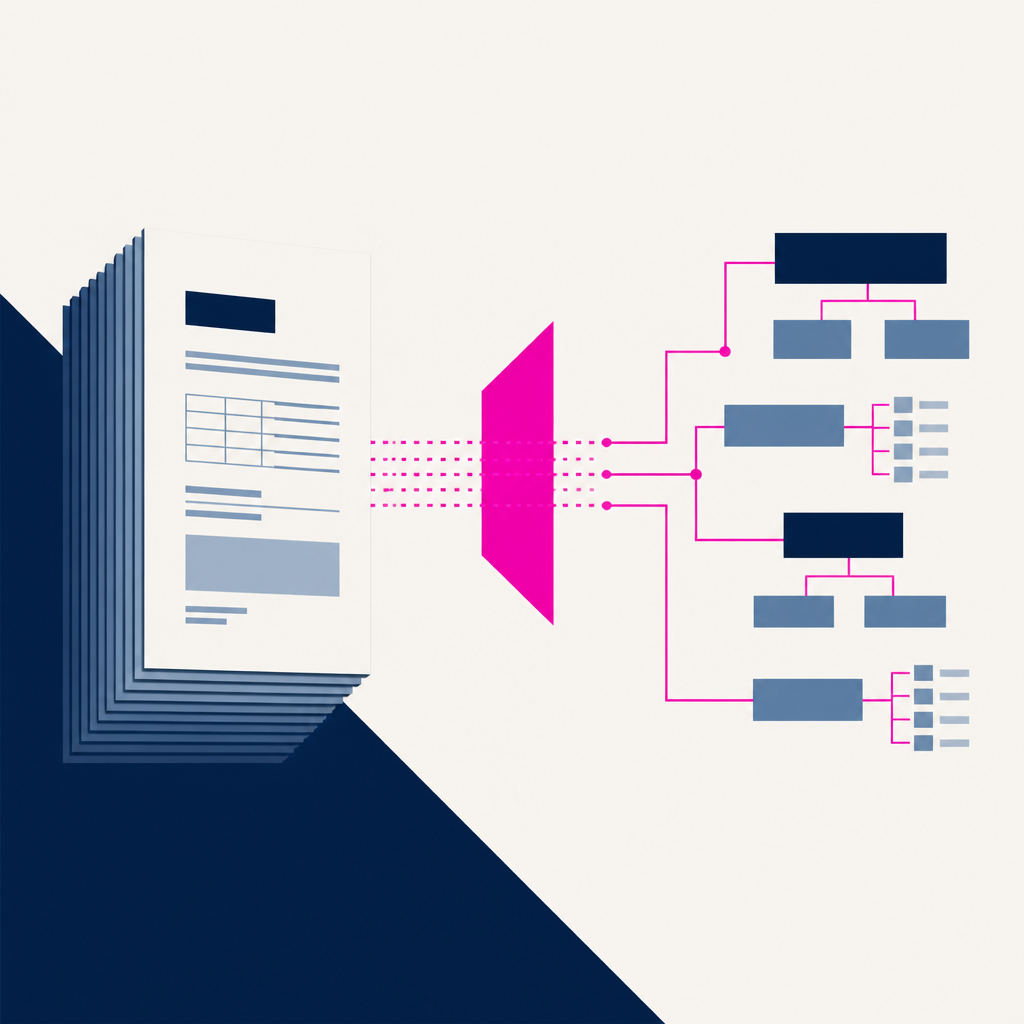
LandingAI released Agentic Document Extraction (ADE) Gen2, rebuilding its document intelligence stack around the DPT-3 model family and Gen2’s tree-based document output.
Every AI story that matters,
in your inbox by 8am.
TLDRocket reads all relevant sources, removes duplicate coverage, and summarises the
day in two minutes. Follow companies and topics for alerts, or get the
briefing in Slack. Free, no spam, unsubscribe anytime.
Reading TLDRocket needs no cookies, and the readership counts we rely on come from
our own cookieless analytics. Google Analytics is the exception: it sets cookies and
reports to Google, so it stays switched off until you allow it. You can change your
mind any time from “Cookie settings” in the footer.
Strictly necessary
Session security and form protection (tldrocket-session,
XSRF-TOKEN, 2 hours). The site cannot work without them,
so they need no consent.
Always on
Google Analytics 4 (_ga,
_ga_<id>, up to 2 years). Measures which
stories and sections readers use. Google acts as a third-party processor and may
store the data outside the EU. No advertising, no profiling, no data sold.