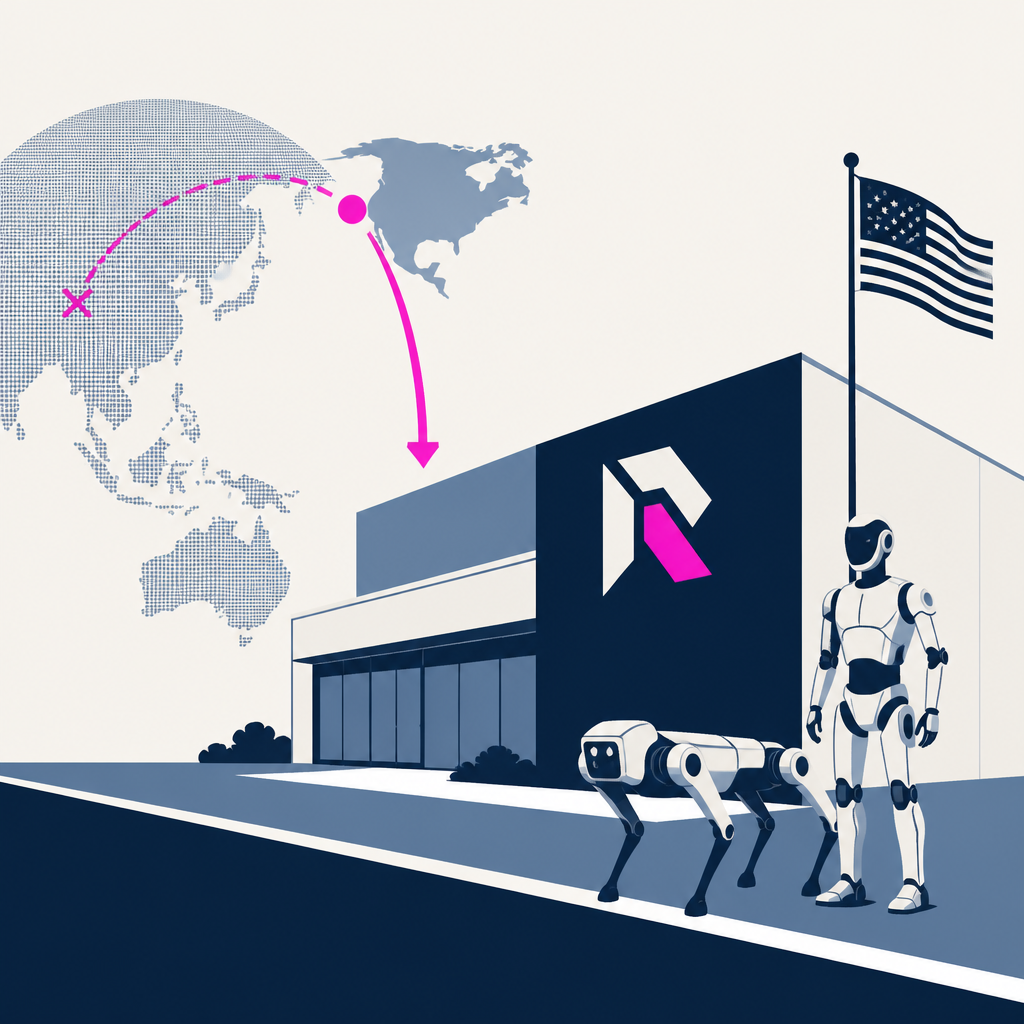
RoboStore, a US distributor of Unitree humanoid robots and quadruped robot dogs, is shifting to producing its own robots in a Long Island, New York facility. It said it has sold over 1,500 robots and worked with more than 150 universities. The change moves robot supply from China-made units distributed by RoboStore toward RoboStore-manufactured robots in response to a US ban targeting foreign-made robots.
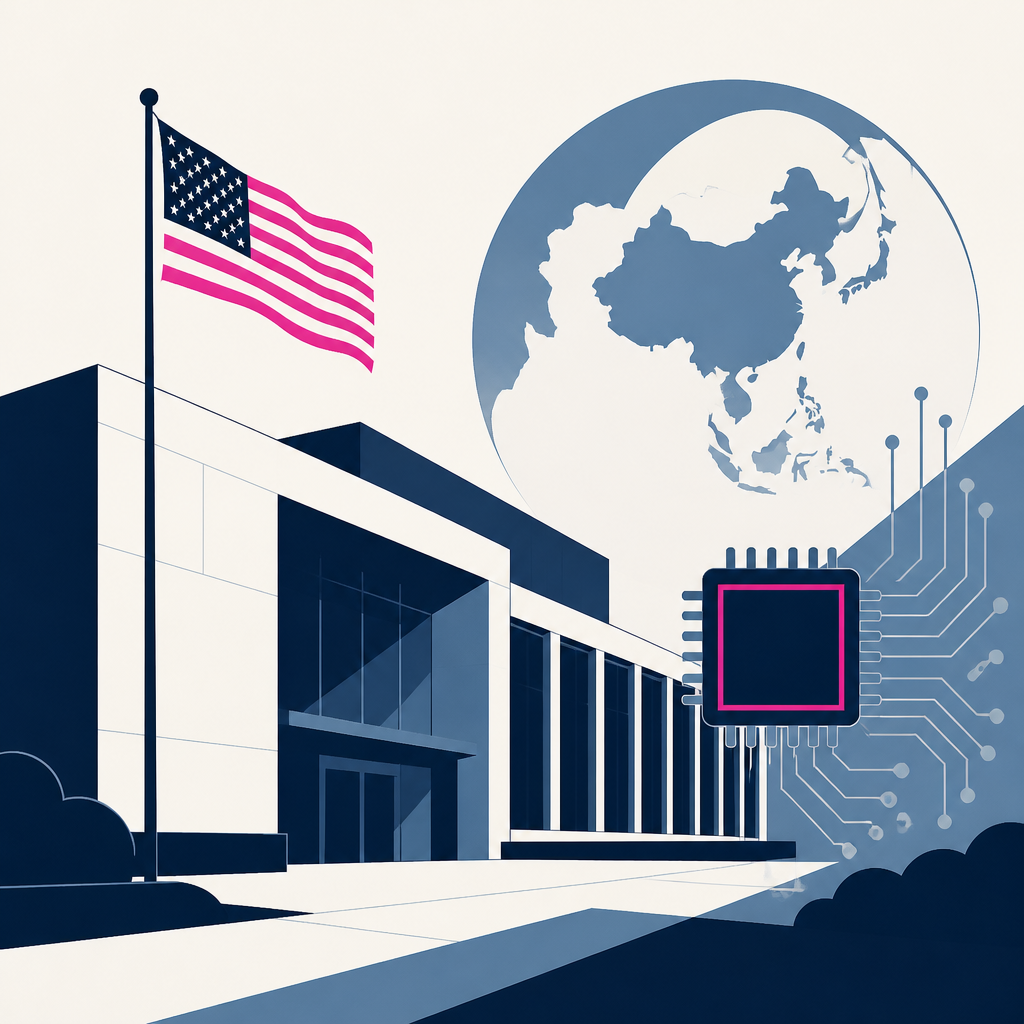
CSET’s Sam Bresnick published an op-ed in Barron’s arguing that the Trump administration’s AI strategy could shape U.S. competitiveness with China while it pushes AI and semiconductor exports under national security constraints. The op-ed focuses specifically on the Trump administration. The article points to policy changes that would affect how U.S. AI and chip exports are pursued and governed.
Ypsilanti Township in Michigan approved a six-month moratorium to pause major electric utility infrastructure as it continues opposing a data center backed by the University of Michigan and Los Alamos National Laboratories. The delay lasts 180 days. The power authorities are required to use the moratorium period to study noise pollution and customer impacts before building the needed substations, shifting the project timeline.
A shopper bought a banned DJI Osmo Pocket 4 Pro in the US via online marketplaces where the camera was already stocked domestically. The order arrived in four days after shipping from an Oregon fulfillment center. This makes the ban look largely unenforced for retailers, since buyers can get the device without tariff or seizure risk.
OpenAI introduced a blog titled “Introducing Intelligence Age” to discuss how AI could affect power, governance, the economy, and individual freedom. The article presents no specific dates, numbers, or benchmarks. As a result, it frames AI’s likely societal impacts as a topic of public discussion rather than announcing a product or policy change.
OpenAI introduced the AI Futures blog to explore how transformative AI could affect power, governance, the economy, and individual freedom. The article does not provide any dates, numbers, or measurable benchmarks. As a result, OpenAI is adding a new public-facing platform for discussing AI’s potential societal impacts rather than announcing a specific product or policy.
Every AI story that matters,
in your inbox by 8am.
TLDRocket reads all relevant sources, removes duplicate coverage, and summarises the
day in two minutes. Follow companies and topics for alerts, or get the
briefing in Slack. Free, no spam, unsubscribe anytime.
Reading TLDRocket needs no cookies, and the readership counts we rely on come from
our own cookieless analytics. Google Analytics is the exception: it sets cookies and
reports to Google, so it stays switched off until you allow it. You can change your
mind any time from “Cookie settings” in the footer.
Strictly necessary
Session security and form protection (tldrocket-session,
XSRF-TOKEN, 2 hours). The site cannot work without them,
so they need no consent.
Always on
Google Analytics 4 (_ga,
_ga_<id>, up to 2 years). Measures which
stories and sections readers use. Google acts as a third-party processor and may
store the data outside the EU. No advertising, no profiling, no data sold.