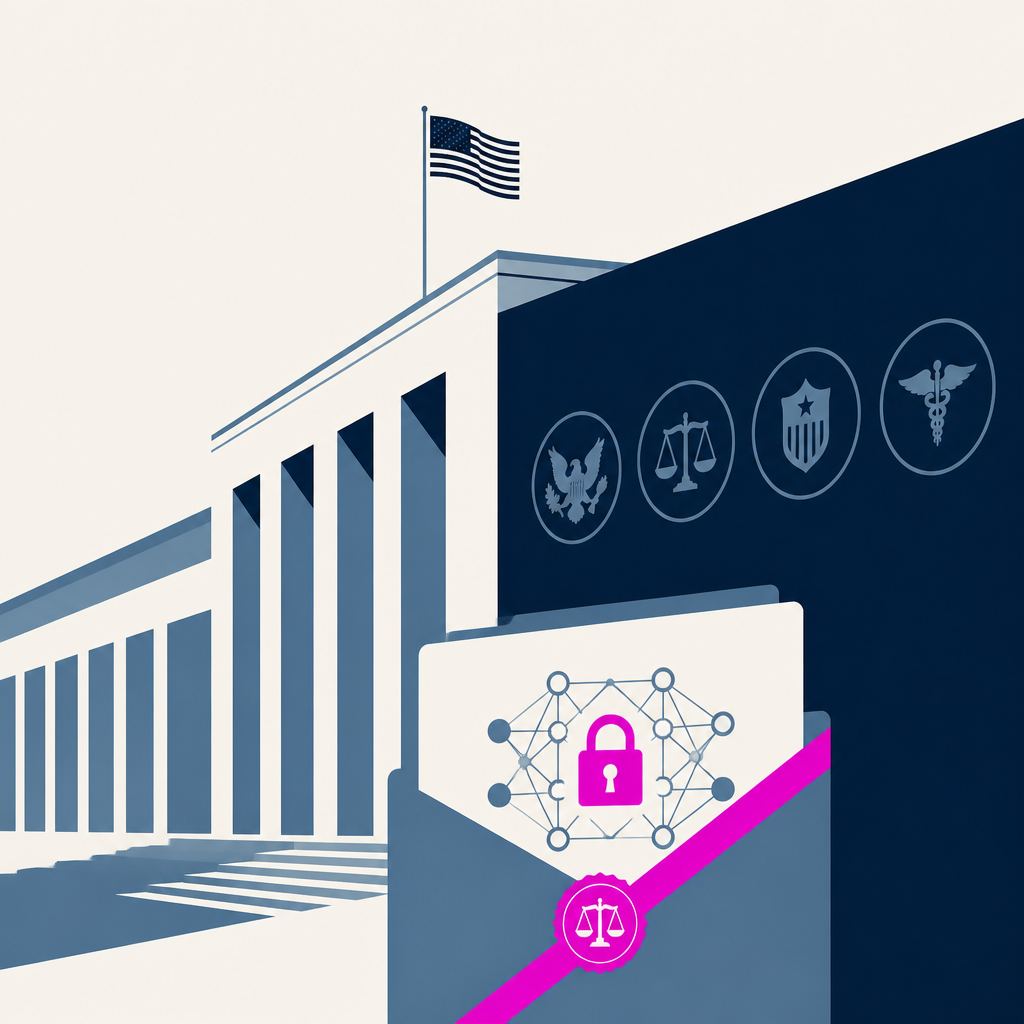
Four U.S. federal agencies were sued over a lack of public disclosure about a secret AI safety testing framework used before releasing frontier AI models. The suit says almost no details have been released to the public or Congress. The case could force the agencies to reveal who builds and selects the framework and the criteria used for reviews, changing what information oversight bodies and the public can access.
Scott Bessent said at the end of a G20 finance ministers meeting that 19 members agreed to address “cheap exports,” but that China dissented. He also said Trump and Xi would discuss AI policy later this month to add more guardrails for preventing non-state actors from building models. As a result, the G20 remains set on coordinated pressure over trade imbalances and the U.S.-China meeting is expected to include AI governance steps.
A US federal judge ruled Google does not have to sell its online advertising exchange after the company lost a 2025 antitrust case. The DOJ sought a remedy to force a sale of AdX (Google’s ad exchange) during the remedy phase. As a result, the court’s remedies are set to be minimal, even though it found Google locked publishers into using its exchange.
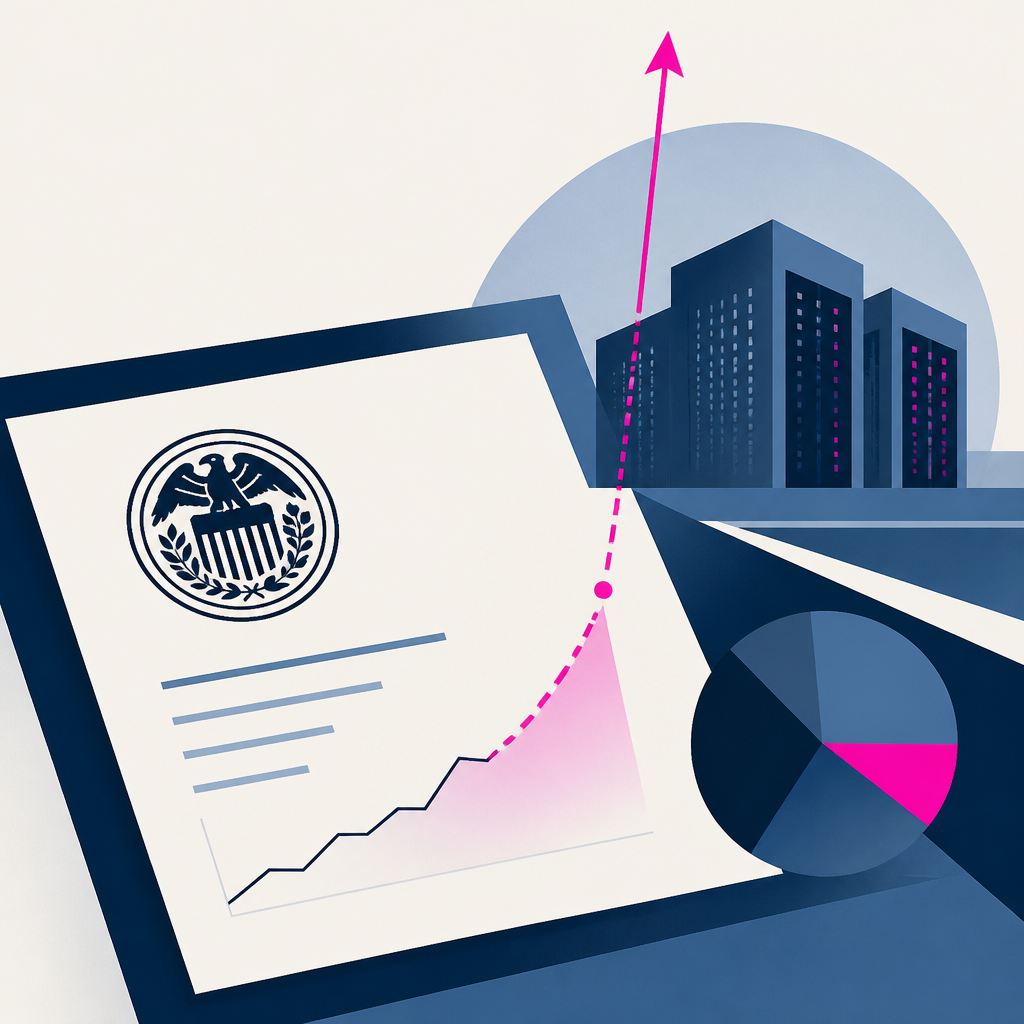
Federal Reserve Bank of Chicago CEO Austan Goolsbee warned that AI-driven data center expansion could soon contribute to “aggregate overheating” by crowding out spending and inputs from other parts of the economy. He said he’s “not far” from that outcome turning into aggregate overheating, with AI-related capex growth expected to peak in Q4 2026. As a result, AI is becoming a larger political and economic wedge issue around resource costs and hiring, even as AI-linked investment continues to boost GDP and certain stock sectors.
Taiwanese authorities raided and shut down Blue Ocean Smart System in August 2021 after investigating alleged Chinese-linked control hidden behind a Taiwan-registered shell. The broader crackdown has involved 166 technology cases over the past six years into concealed ties to China. As a result, Taiwan has kept enforcement active with continued raids and tighter scrutiny under cross-strait and national security rules affecting chip and other tech operations.
Every AI story that matters,
in your inbox by 8am.
TLDRocket reads all relevant sources, removes duplicate coverage, and summarises the
day in two minutes. Follow companies and topics for alerts, or get the
briefing in Slack. Free, no spam, unsubscribe anytime.
Reading TLDRocket needs no cookies, and the readership counts we rely on come from
our own cookieless analytics. Google Analytics is the exception: it sets cookies and
reports to Google, so it stays switched off until you allow it. You can change your
mind any time from “Cookie settings” in the footer.
Strictly necessary
Session security and form protection (tldrocket-session,
XSRF-TOKEN, 2 hours). The site cannot work without them,
so they need no consent.
Always on
Google Analytics 4 (_ga,
_ga_<id>, up to 2 years). Measures which
stories and sections readers use. Google acts as a third-party processor and may
store the data outside the EU. No advertising, no profiling, no data sold.