CSET researchers Sam Bresnick and Kathleen Curlee shared expert commentary across multiple outlets on how adversaries are using AI and related technologies. The reporting includes discussion that AI models are being used by Iran against U.S. Navy forces. As a result, the focus shifts to how AI-enabled military, intelligence, and cyber capabilities could affect U.S. and allied security.
The Rockefeller Foundation president says U.S. global standing is declining, citing a survey showing many people view the United States as a threat rather than an example. One-third of people globally see the United States as a threat. He argues the U.S. should change foreign assistance by shifting from traditional donor-driven aid to more politically sustainable investments, including technology use such as AI tools.
WarTalk hosts Bryan Clark, Justin McIntosh, and Tony Stark discussed U.S. defense deployments, a continued Iran blockade, and how upcoming midterm budget pressure could reshape the Pentagon and its defense-tech suppliers. They said the midterms are about 39 days away and that roughly 30% of U.S. missile stockpiles are tied up amid Middle East operations. As a result, they expect defense spending to flatten or drop, more contractors (including Anduril) to refuse “work at risk,” and a risk of reduced readiness if new platforms can’t be sustained.
A weekly podcast episode says OpenAI and Microsoft made admissions in court records that their large language models are destroying parts of the internet. The episode points to those court records as the evidence for the claim. It also reports related AI misuse, including hijacking a real band’s Spotify page and an AI agent platform portrayed as spammy.
The US government moved to join Elon Musk and X’s lawsuit to overturn a European Union fine for blue tick verification. The EU fine is €120m (£105m). The case will now include US legal arguments about whether the EU commission can apply the ruling to an American company, potentially affecting how territorial jurisdiction is handled.
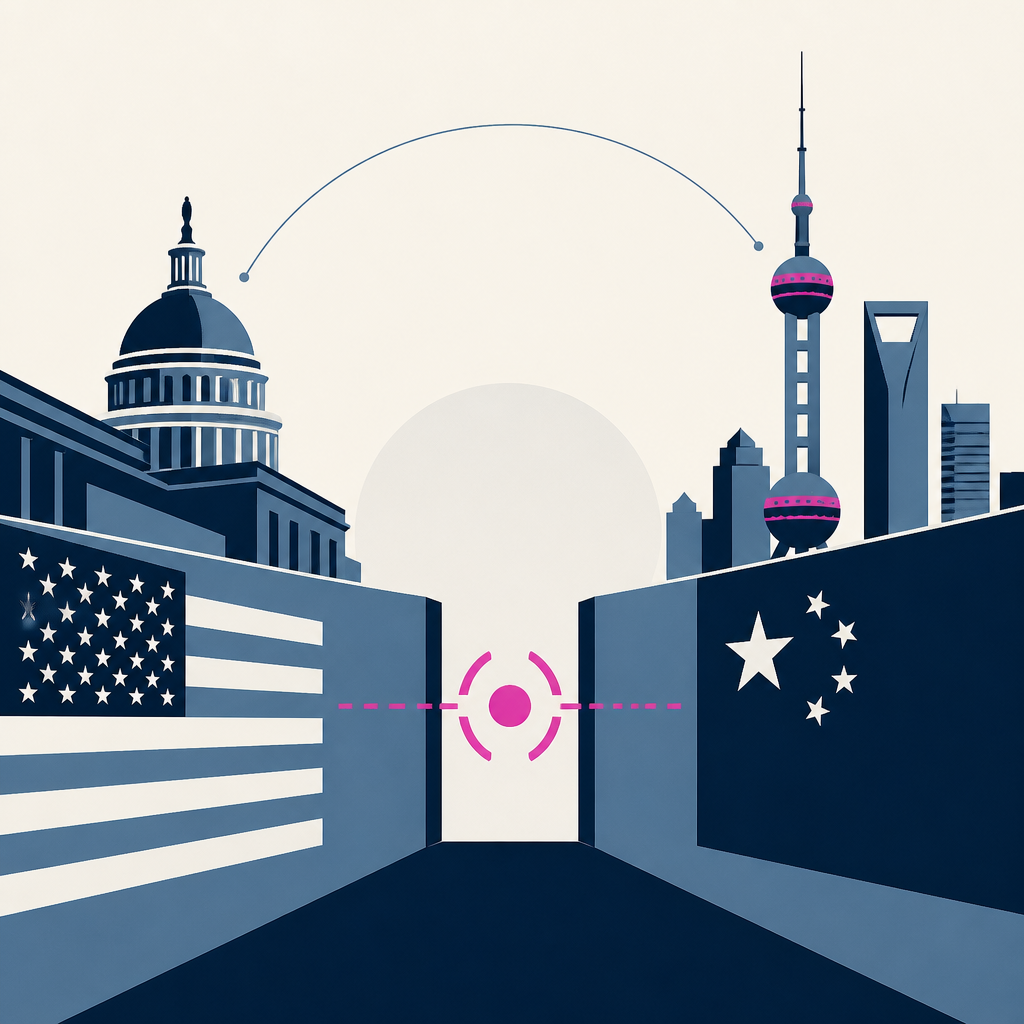
The U.S. and China have started private talks on AI guardrails while U.S. public statements reject global AI control. The countries held their first AI dialogue on Thursday after Treasury Secretary Scott Bessent met Chinese Vice Premier He Lifeng in New York earlier in the week. The U.S. is shifting toward a formal notification mechanism for AI national-security incidents even as CEOs push for shared rules and faster shared reporting.
Every AI story that matters,
in your inbox by 8am.
TLDRocket reads all relevant sources, removes duplicate coverage, and summarises the
day in two minutes. Follow companies and topics for alerts, or get the
briefing in Slack. Free, no spam, unsubscribe anytime.
Reading TLDRocket needs no cookies, and the readership counts we rely on come from
our own cookieless analytics. Google Analytics is the exception: it sets cookies and
reports to Google, so it stays switched off until you allow it. You can change your
mind any time from “Cookie settings” in the footer.
Strictly necessary
Session security and form protection (tldrocket-session,
XSRF-TOKEN, 2 hours). The site cannot work without them,
so they need no consent.
Always on
Google Analytics 4 (_ga,
_ga_<id>, up to 2 years). Measures which
stories and sections readers use. Google acts as a third-party processor and may
store the data outside the EU. No advertising, no profiling, no data sold.