Olostep launched a Web Data API that extracts, crawls, and structures web data at scale for AI teams and automation. The listing shows 202 followers on launch day. As a result, developers can use the new API (including a free options tier) for AI/data pipelines that need web-sourced datasets.
A developer created a browser-based tool that detects and highlights clichéd phrases commonly found in language model outputs, such as "no X, no Y" constructions and expressions like "sit with that." The tool identifies ten common LLM-generated patterns with toggleable detection, match counting, and sentence-level highlighting, running entirely in the browser with localStorage support. Users can now identify characteristic language model writing patterns when reading text, making it easier to spot AI-generated content or content heavily influenced by LLM outputs.
A software engineer acknowledges valid criticisms of large language models—including copyright concerns, environmental impact, and risks to open-source development and junior engineer training—while explaining why they continue using them extensively, arguing that LLMs amplify human thinking rather than replace it when used by credible people who stand behind their work. The author spent nearly $10,000 on LLM tokens in June 2026 and views this as justified because the tools enable higher-quality output when humans maintain responsibility for the final product. The core tension, according to the author, is that distinguishing thoughtful LLM-assisted work from AI-generated slop requires trust in the human creator, since the output looks identical regardless of human effort behind it.
Viktor.com promoted an AI coworker product that claims to handle work for users. It’s listed as having 38 followers. The listing frames the tool as letting people start building and launch a paid product the same day.
Kilo Code launched a fully native, open-source coding agent for JetBrains IDEs like IntelliJ IDEA and WebStorm.
It includes support for 500+ models.
As a result, developers can use parallel agents in isolated worktrees for inline GitHub PR diffs, locally or with remote development.
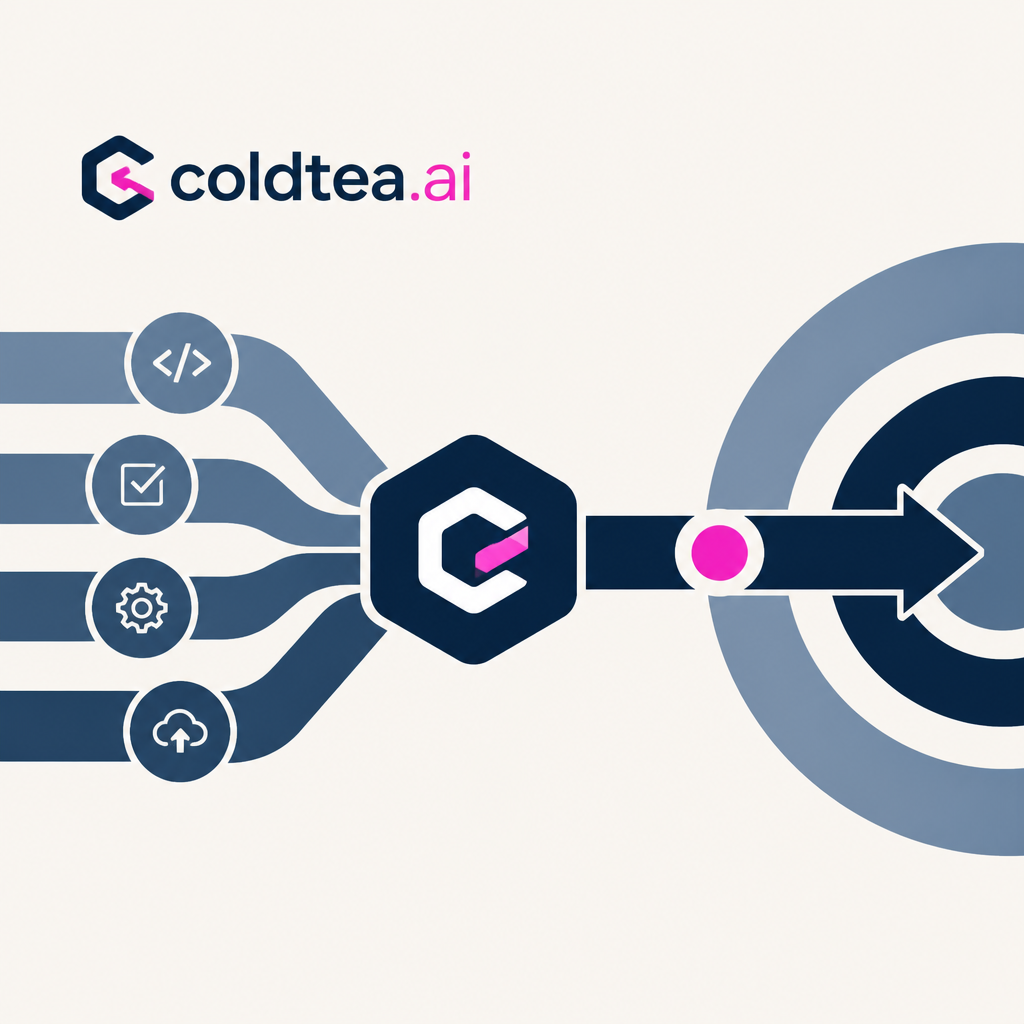
Coldtea.ai launched a platform designed to automate software delivery processes by applying AI to build, test, and deployment workflows. The system claims to reduce manual intervention in CI/CD pipelines through autonomous decision-making. Teams using the platform can redirect engineering effort from repetitive deployment tasks to feature development.
Every AI story that matters,
in your inbox by 8am.
TLDRocket reads all relevant sources, removes duplicate coverage, and summarises the
day in two minutes. Follow companies and topics for alerts, or get the
briefing in Slack. Free, no spam, unsubscribe anytime.
Reading TLDRocket needs no cookies, and the readership counts we rely on come from
our own cookieless analytics. Google Analytics is the exception: it sets cookies and
reports to Google, so it stays switched off until you allow it. You can change your
mind any time from “Cookie settings” in the footer.
Strictly necessary
Session security and form protection (tldrocket-session,
XSRF-TOKEN, 2 hours). The site cannot work without them,
so they need no consent.
Always on
Google Analytics 4 (_ga,
_ga_<id>, up to 2 years). Measures which
stories and sections readers use. Google acts as a third-party processor and may
store the data outside the EU. No advertising, no profiling, no data sold.