Sider released version 6.0 of its AI browser agent with updated capabilities for web interaction and automation. The update includes enhanced multi-step task handling and improved integration with browser workflows, though specific benchmarks or performance metrics were not disclosed. Users can now access more sophisticated AI-assisted browsing features for research, data extraction, and routine web tasks.
Screenify Studio is described as using an AI agent to record polished product demos on a Mac. No specific number or date is provided in the excerpt. As a result, product demo creation shifts from manual recording to AI-led capture.
AWS released a developer bootloader for DeepRacer autonomous race car devices, enabling users to install custom operating systems and modern Linux distributions instead of the outdated Ubuntu 16.04 and 20.04 versions that shipped with the hardware. The bootloader uses certificate-based signature verification with self-service certificate management, provides clear visual warnings when developer mode is active, and the community has already created a distribution based on Ubuntu 24.04 and ROS2 Jazzy. This extends the useful life of DeepRacer devices and allows developers to run modern software stacks and custom algorithms on the hardware.
Developers using LLMs for coding find it simultaneously productive and destabilizing, as the satisfying parts of programming get automated while supervision and review create new fatigue. The constant availability of AI parallelizes task creation but bottlenecks on human judgment, replacing dopamine hits from solving problems with the exhaustion of quality-checking machine output. The core skill of engineering judgment becomes more valuable, not less, but the isolated human-in-the-loop work lacks the collaborative rewards that previously sustained motivation.
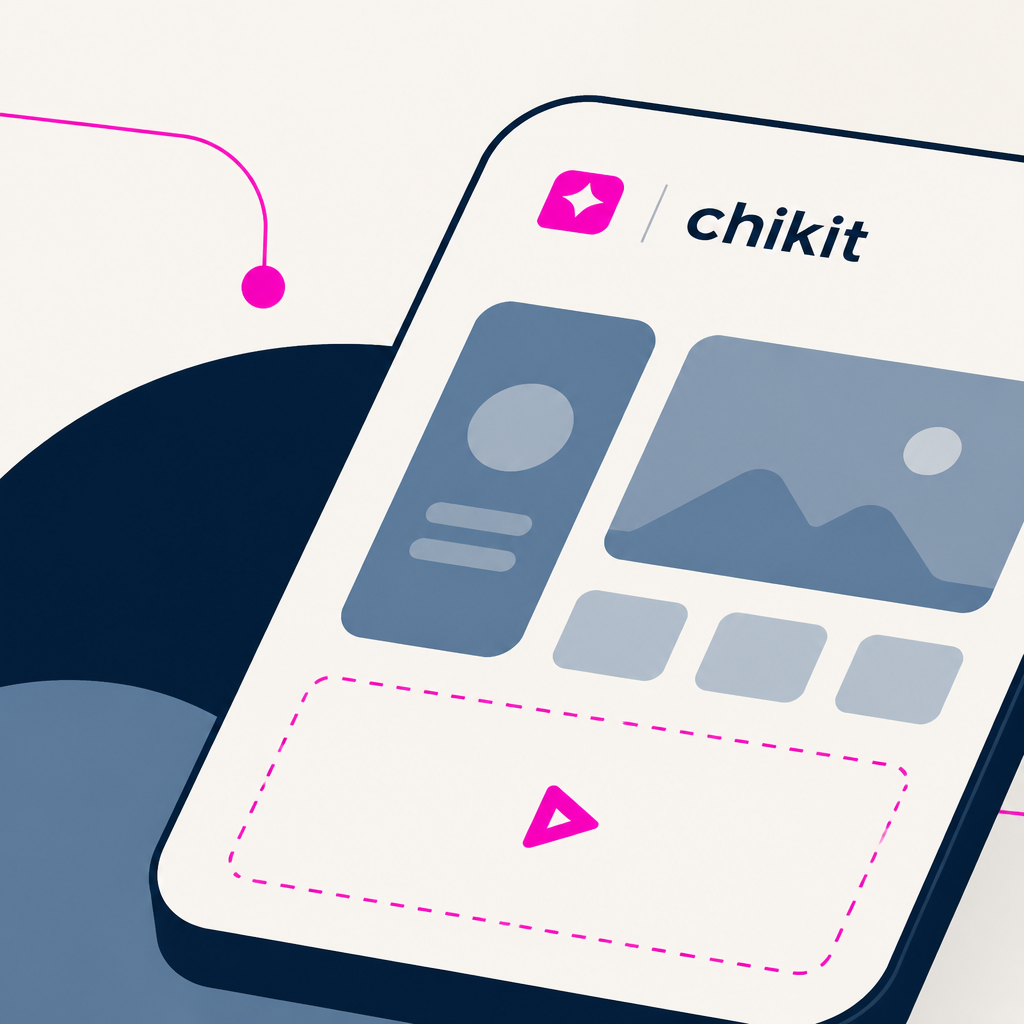
Chikit is a new tool that converts product ideas into interactive app prototypes for testing and sharing. The platform allows users to input product concepts and receive working prototypes without specifying technical details like exact features or platform. Users can immediately test and share these prototypes to validate ideas before full development.
Creed is a tool that creates a structured personal manifesto stored in a markdown file that AI agents can read before responding, eliminating the need to repeatedly explain your preferences and context across different tools. The platform connects to AI assistants like Claude and ChatGPT via Model Context Protocol, allows agents to propose updates to your profile in real time, and scores sections for clarity and completeness. Users maintain one persistent profile that travels across all AI tools they use, with a team version available starting at $129 per month for 10 seats.
Tinker is a managed training API that lets researchers fine-tune open-source AI models using LoRA without managing infrastructure. The platform abstracts away compute and infrastructure complexities, allowing researchers to focus on datasets and algorithms while Tinker handles distributed training on GPU clusters. Users gain full control over model training through four core functions and can download model weights, with pricing based on token usage at rates shown in their documentation.
Paritok claims it can cut the cost of running coding agent sessions. It says you can spend up to 85% less and get 3× longer sessions. As a result, users are positioned to run longer coding-agent work for lower spend, though the details provided here are minimal.
Every AI story that matters,
in your inbox by 8am.
TLDRocket reads all relevant sources, removes duplicate coverage, and summarises the
day in two minutes. Follow companies and topics for alerts, or get the
briefing in Slack. Free, no spam, unsubscribe anytime.
Reading TLDRocket needs no cookies, and the readership counts we rely on come from
our own cookieless analytics. Google Analytics is the exception: it sets cookies and
reports to Google, so it stays switched off until you allow it. You can change your
mind any time from “Cookie settings” in the footer.
Strictly necessary
Session security and form protection (tldrocket-session,
XSRF-TOKEN, 2 hours). The site cannot work without them,
so they need no consent.
Always on
Google Analytics 4 (_ga,
_ga_<id>, up to 2 years). Measures which
stories and sections readers use. Google acts as a third-party processor and may
store the data outside the EU. No advertising, no profiling, no data sold.