Anthropic has shifted from traditional product requirements documents to evaluation suites as its primary tool for defining AI product success, treating sets of representative test examples as ground truth for model capabilities. The company runs 30 to 40 representative test examples for each major feature and discovered a sudden capability jump in Claude within 24 hours that led to a live consumer feature reaching 2,000 users. This approach, combined with small experimental teams and hands-on manager involvement with models, has shaped Anthropic's strategy toward developer tools and positioned Claude as a thinking partner rather than a conversational bot.
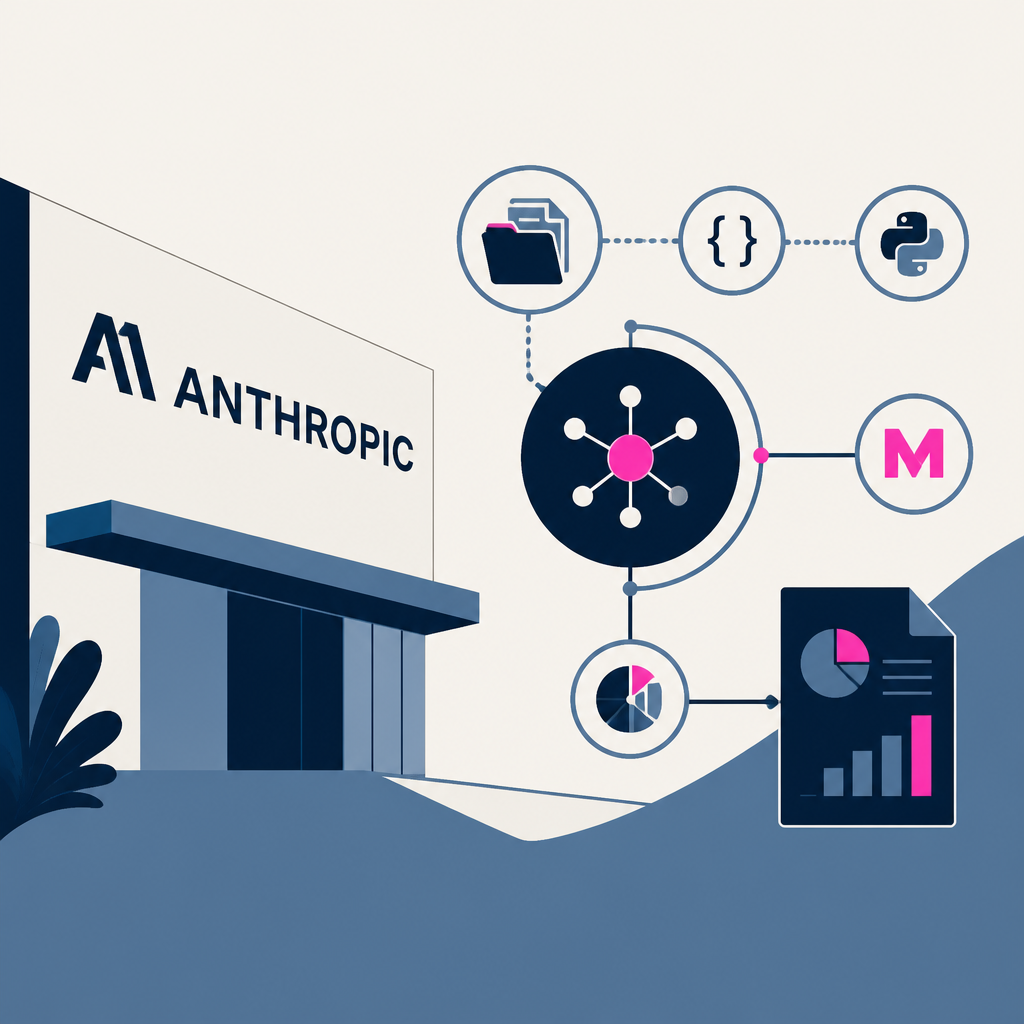
Anthropic published a tutorial showing how to build financial analysis agents using Claude, Python, and the Model Context Protocol. The workflow loads Anthropic's financial-services repository, parses skill definitions from SKILL.md files into a searchable registry, and injects selected financial playbooks into Claude's system prompt to execute multi-turn tool-use loops. The tutorial demonstrates five concrete use cases: discounted cash flow valuation with sensitivity grids, comparable-company analysis exported to Excel, weighted average cost of capital calculations, private equity investment memos, and managed-agent deployment inspection.
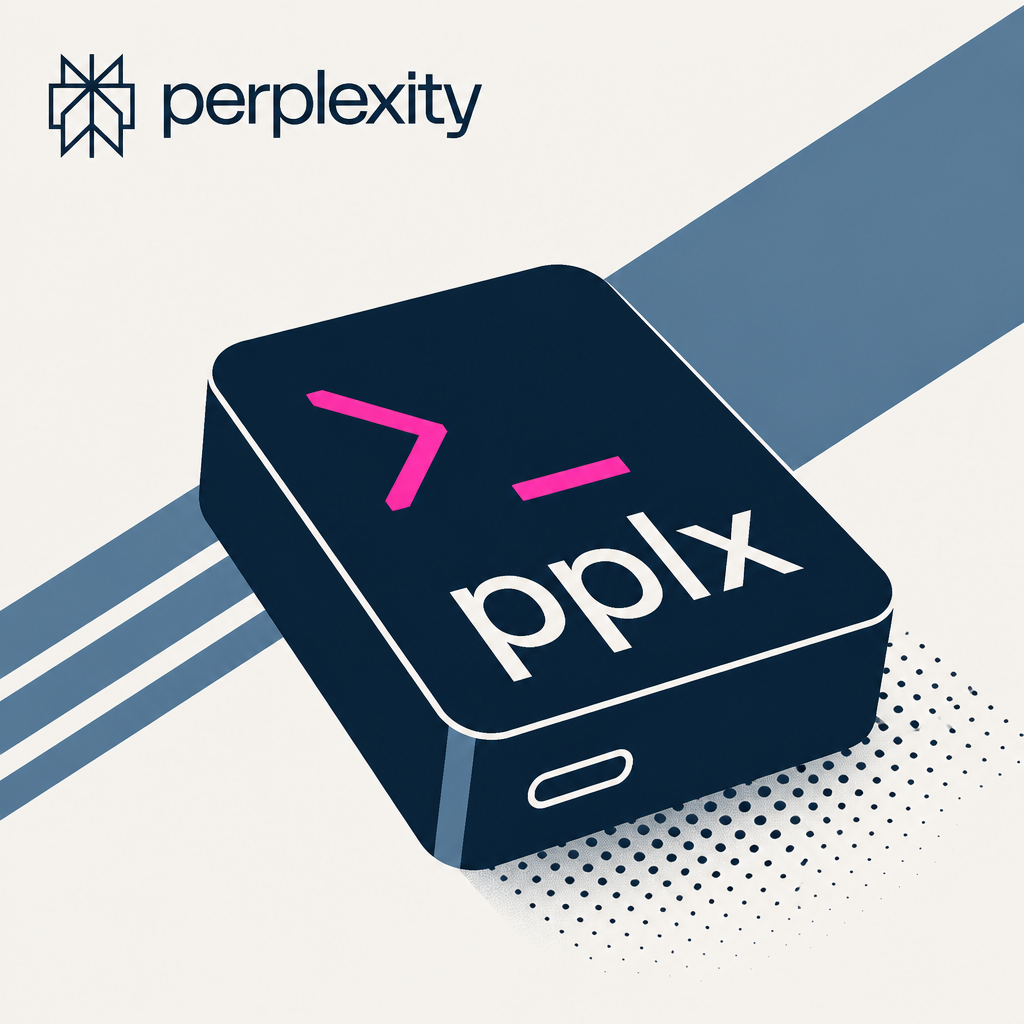
Perplexity released pplx, a command-line tool that provides programmatic access to its Search API and content-fetching capabilities for use by coding agents and humans. The tool costs $5 per 1,000 requests with a 50-queries-per-second rate limit and supports macOS on Apple Silicon, Linux x86_64, and Linux arm64. Developers can now integrate Perplexity's search and web-content extraction directly into automated workflows via JSON-based command outputs.
Cloudflare open-sourced pvcli, a command-line debugger for OHTTP and MASQUE privacy protocols that split trust across multiple operators so no single party sees both user identity and destination. The tool is designed with curl-like syntax to enable both human developers and AI agents to troubleshoot privacy-preserving infrastructure without requiring deep protocol expertise. This lowers the barrier for smaller companies to implement privacy protocols currently used by Apple, Microsoft, and others, and addresses emerging challenges around running AI inference on personal data without leaking information to inference providers.
Pilot Protocol launched a platform that lets software agents discover and interact with each other through a network-based app store, enabling agents to autonomously find and pay for tools and services without human intervention. The platform hosts approximately 250,000 agents generating two billion requests daily, with the network growing by up to 10% per day and adding 16,000 agents in 24 hours during early months. This shift toward agent-to-agent transactions could disrupt SaaS pricing models by enabling usage-based and short-term billing cycles rather than traditional annual subscriptions.
Openbase introduced voice control capabilities for code editors, allowing developers to start coding sessions with Claude or Codex via voice and manage them from their phones. The system uses voice commands to dispatch tasks, route them to workspaces, and requires approval for sensitive actions like database resets before changes are deployed. Developers can now approve commands, review code diffs, and manage deployments without being physically at their desk.
Every AI story that matters,
in your inbox by 8am.
TLDRocket reads all relevant sources, removes duplicate coverage, and summarises the
day in two minutes. Follow companies and topics for alerts, or get the
briefing in Slack. Free, no spam, unsubscribe anytime.
Reading TLDRocket needs no cookies, and the readership counts we rely on come from
our own cookieless analytics. Google Analytics is the exception: it sets cookies and
reports to Google, so it stays switched off until you allow it. You can change your
mind any time from “Cookie settings” in the footer.
Strictly necessary
Session security and form protection (tldrocket-session,
XSRF-TOKEN, 2 hours). The site cannot work without them,
so they need no consent.
Always on
Google Analytics 4 (_ga,
_ga_<id>, up to 2 years). Measures which
stories and sections readers use. Google acts as a third-party processor and may
store the data outside the EU. No advertising, no profiling, no data sold.