Openbase Adds Voice Control to Code Editors
openbase.cloud ● Covered by 8 sources
Openbase just added voice control for AI coding assistants like Codex and Claude Code. Now you can approve database resets and review diffs from your phone, no laptop required.
Based on reporting by openbase.cloud — read the original for the full story.
Summary, retelling and take written by AI under human oversight; images are AI-generated illustrations. How we work · Report an error
Openbase wants engineers to stop babysitting their AI coding agents from behind a desk. Its new voice control layer lets you kick off a Codex or Claude Code session with a spoken command, then walk away and manage the whole thing from a phone call. The pitch is simple: talk to your agent the way you'd talk to a junior developer sitting next to you, except this junior developer can write code while you're at lunch.
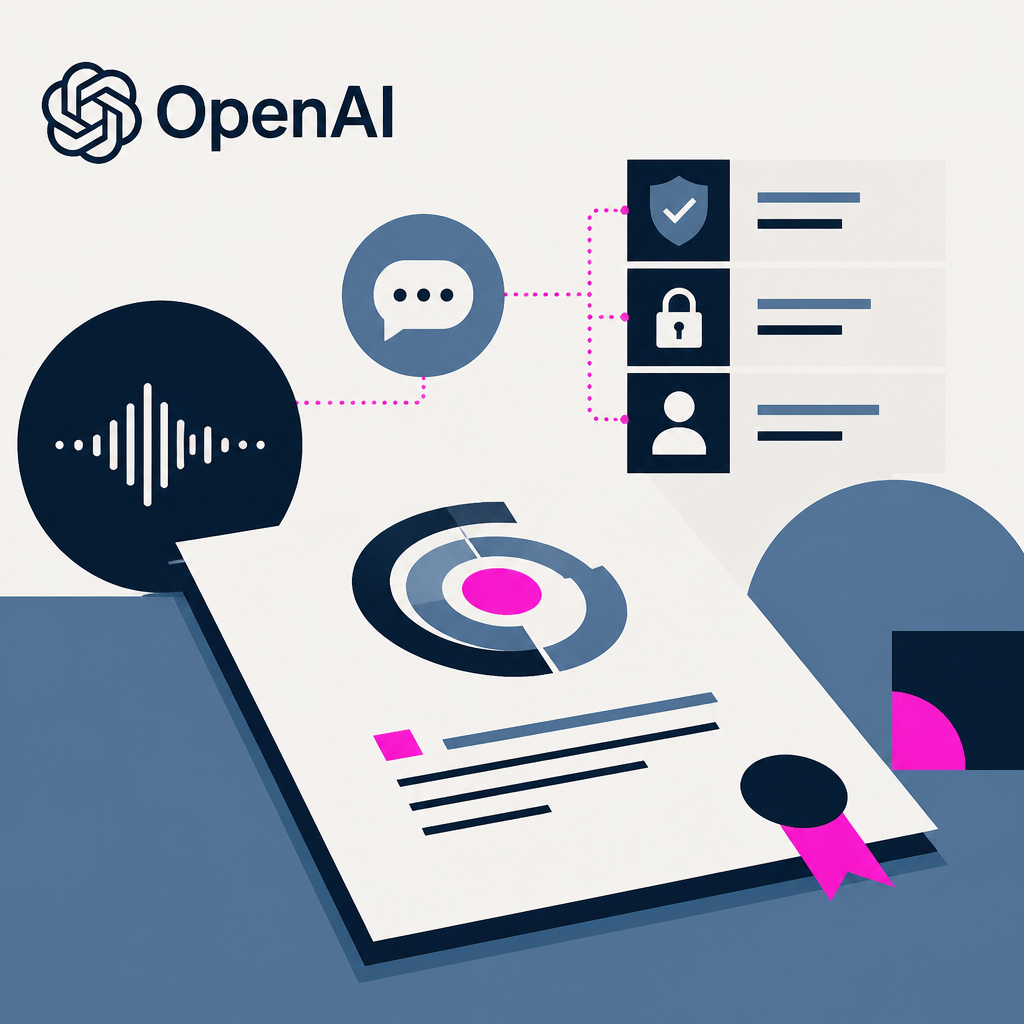
The mechanics matter more than the novelty here. A live voice session routes your intent into the correct workspace, and anything risky gets flagged before it executes. Openbase showed a concrete example: an agent wanting to run a Supabase database reset before redeploying gets paused automatically, and you have to approve it out loud rather than the system just barreling ahead. That's the difference between a cute demo and something a team would actually trust with production access.
Once code changes land, you can review the diff by voice too, no need to open a laptop or squint at a phone screen full of syntax. The example Openbase used was a login file swapping a plaintext password comparison for a proper hashed verification call, the kind of change you want a human eyeing before it ships, even if that human is walking their dog at the time.
This fits a broader shift happening across coding tools this year, where the agent does more of the typing and the engineer's job shrinks down to approval and review. Voice is a logical next interface for that world, since approving or rejecting something out loud is faster than context-switching into a terminal. Whether developers actually want to run database migrations while on a call remains the open question, but Openbase is clearly betting the answer is yes.
My take — AI-written commentary, not fact-checked reporting
I like this more than I expected to, mostly because it puts a real approval gate in front of destructive actions instead of just making agents chattier. The security model here, pause-and-confirm before anything sensitive runs, is the boring but correct answer to autonomous coding agents, and I'd rather see more of that than more flashy autocomplete demos. Still, voice-approving a production database reset from your phone feels like exactly the kind of convenience that turns into a horror story the first time someone mishears a prompt.
Read more about this at: openbase.cloud