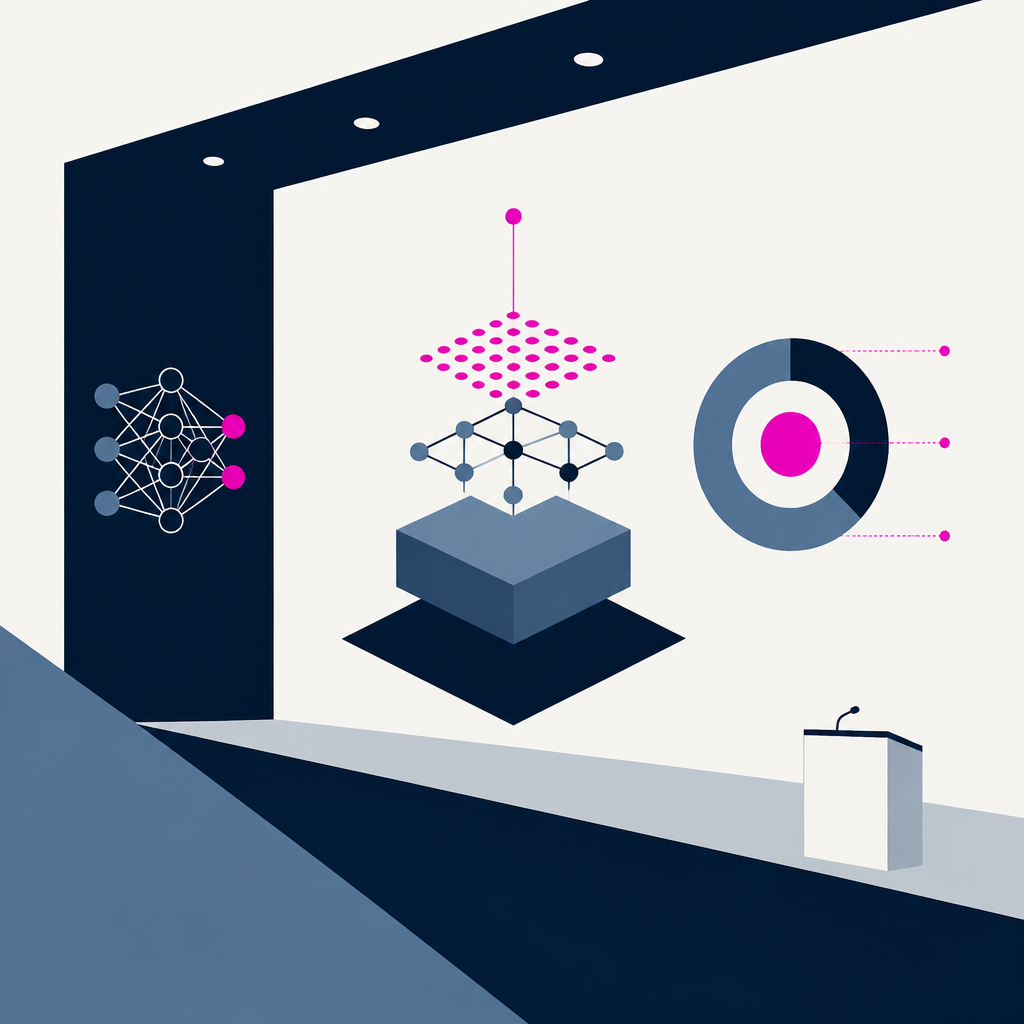
HarnessRouter Community Edition is an open-source unified interface for agent harnesses. The specific release mentioned is named “HarnessRouter Community Edition.” This provides a single interface layer for working with agent harness setups, rather than being a full standalone system.
Simon Willison’s Weblog·2 months ago·
41
● 8 sources
The llm-gemini 0.33 plugin was released with support for the Gemini 3.7 Flash release and related model variants. It adds compatibility with LLM 0.32 and includes a server-side tools example using gemini-3.7-flash with CodeExecution to run a Python factorial calculation of 13. As a result, reasoning traces can be viewed and server-side tools can be enabled, but a Safari-rendering issue can make the pelican SVG missing in Firefox and Chrome.
Microsoft will stop showing Mico, Copilot’s emotive yellow avatar, when users use the chatbot’s voice mode. The change moves Mico to the Learn Live platform, and Mico was launched in Copilot’s voice mode in October 2024. Going forward, Mico will appear on Learn Live instead of in Copilot voice interactions, with the avatar having more reactions there.
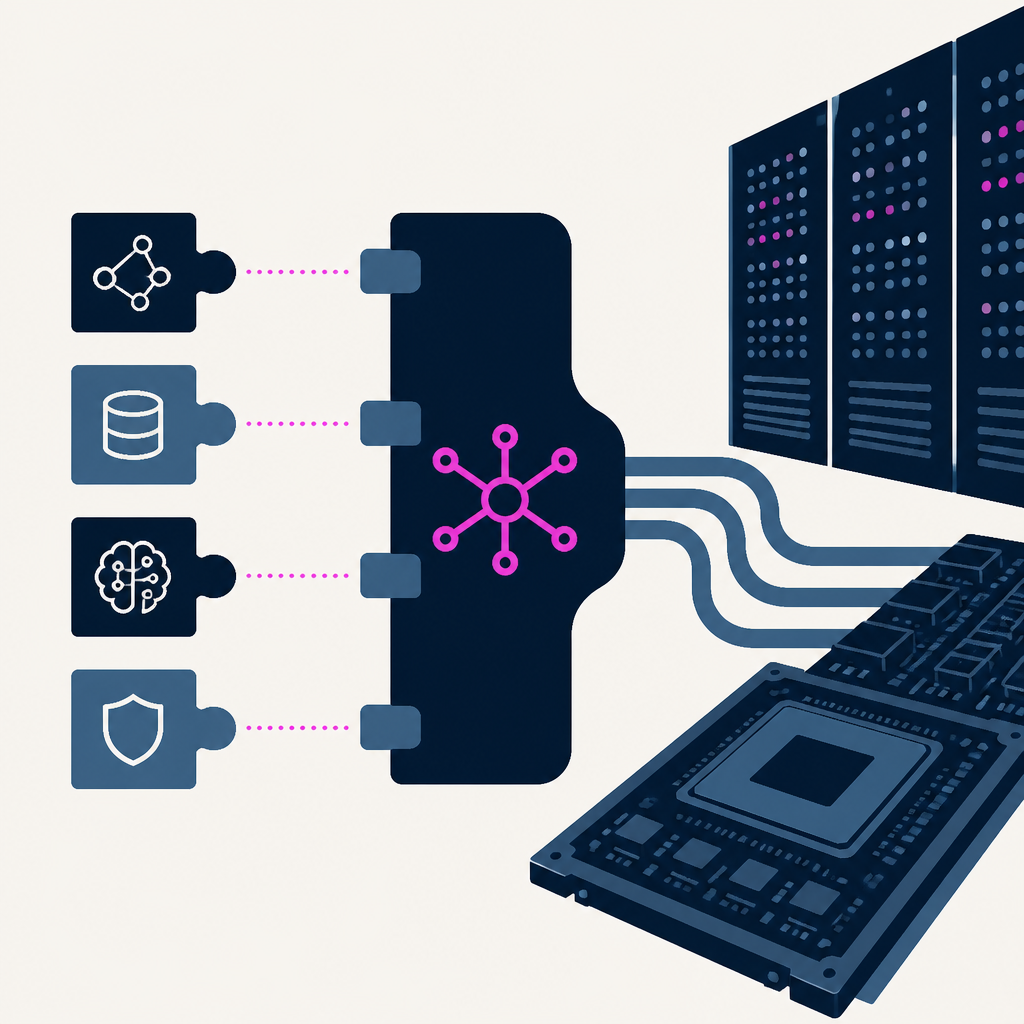
DeepSeek open sourced DeepSeek Harness, a Node.js agent runtime that treats the model adapter, tool registry, session log, and agent loop as interchangeable plugins. Within a few hours of going live on GitHub, the repository received more than 33,000 stars. Developers can now build and extend agents by mounting plugins rather than patching a privileged core, with features driven by an append-only session event log.
AI application teams discover that production costs rise sharply because token-heavy architectures keep sending unnecessary text even when the model itself works as expected. The article cites prompt caching that can cut costs by up to 90% by reusing static prefix attention computations. As a result, developers are pushed to apply architectural token optimization (prompt caching, semantic caching, history summarization, retrieval/tool trimming, and routing) instead of only switching to cheaper models.
Deep Learning Weekly compiled this week’s deep-learning updates, including AI model releases, agent and evaluation tooling, and new research papers. The BDH-CQ paper reports a 150M-parameter setup achieving 29.5% pass@2 at a computed inference cost of $0.0007 per task. The roundup changes by giving readers a curated set of concrete releases, benchmarks, and measurements to track rather than any single narrative development.
Code review is shifting from catching bugs to guiding product decisions, knowledge sharing, and judgment as AI-generated code increases review volume. The article cites a potential split where review feedback is divided into 45/30/25 buckets after sorting the last 1000 comments. Teams are likely to move review toward intent before code is written and to automate repeatable standards with rule-based enforcement, making “code review” less about diffs and more about organizational decision-making.
GhostWriter by MyHandler launched and lets users double-tap Ctrl in any text field to generate a reply based on on-screen context and personal data. The key interaction is two taps of the Left Ctrl in any text field. It types a suggested message into the box but never sends, with help from an encrypted vault on the PC and checks to avoid double-booking.
Freebuff hosted a discussion offering free coding agents targeted at Claude, Cursor, Replit, and Devin. The list includes 4 named products/tools. No additional verified technical details or measurable results were provided in the article snippet.
Mindgard, a Lancaster University spinout, raised a $30M Series A after disclosing vulnerabilities including a zero-day in Cursor and bypasses of ChatGPT and Google guardrails. The round brings its total funding to nearly $42M. Mindgard will use the money to expand product development and sales as AI security consolidates and it competes as an independent offensive red-teaming platform provider.
The post discusses running Claude Code and Codex-style coding tools on a phone. No date, price, or numeric benchmark is provided in the article text. As a result, the focus is on mobile use of AI coding tools rather than reporting any measured performance or release details.
DeepSeek Harness is presented as a composable agent harness where components are handled as plugins. No numbers or dates were provided. As a result, the post frames the project around a plugin-based approach rather than reporting any new benchmark or release.
Deepmark is a bookmarking tool that uses AI to search bookmarks based on their content rather than just titles or URLs. The system indexes and analyzes the actual text within bookmarked pages to enable semantic search. Users can now find saved content through natural language queries about what the pages contain, improving discoverability of their bookmark collections.
Every AI story that matters,
in your inbox by 8am.
TLDRocket reads all relevant sources, removes duplicate coverage, and summarises the
day in two minutes. Follow companies and topics for alerts, or get the
briefing in Slack. Free, no spam, unsubscribe anytime.
Reading TLDRocket needs no cookies, and the readership counts we rely on come from
our own cookieless analytics. Google Analytics is the exception: it sets cookies and
reports to Google, so it stays switched off until you allow it. You can change your
mind any time from “Cookie settings” in the footer.
Strictly necessary
Session security and form protection (tldrocket-session,
XSRF-TOKEN, 2 hours). The site cannot work without them,
so they need no consent.
Always on
Google Analytics 4 (_ga,
_ga_<id>, up to 2 years). Measures which
stories and sections readers use. Google acts as a third-party processor and may
store the data outside the EU. No advertising, no profiling, no data sold.