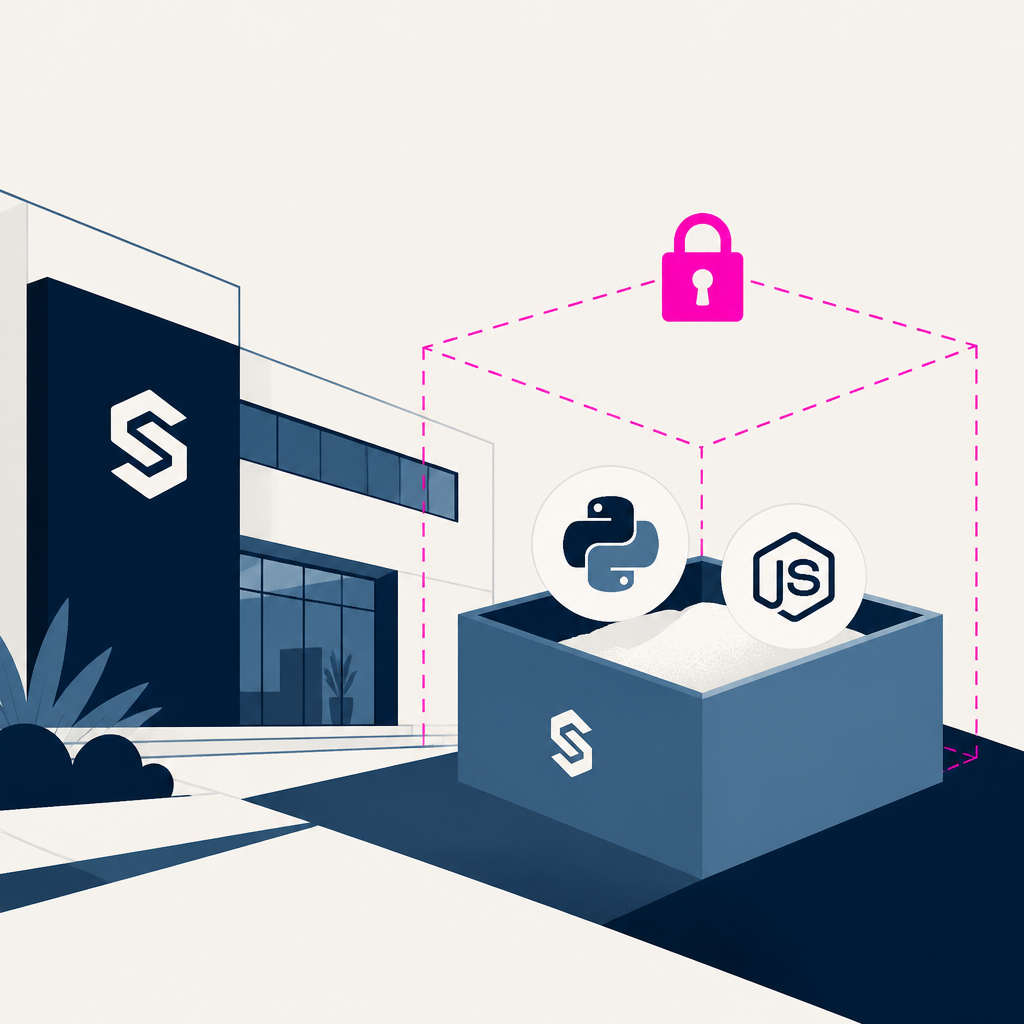
smolmachines.com was tested for use as a secure sandbox for running untrusted Python and JavaScript. The initial Claude Code for web setup ran on Linux 6.18.5-fc-v20 with 4 vCPU and 15GB RAM but failed because /dev/kvm and CPU virt flags weren’t available, so smolvm couldn’t run. The work therefore switched to a GitHub Actions Ubuntu runner that does expose /dev/kvm and ran the test suite there instead.
Jeremy Morrell argued that LLMs and modern sandbox primitives create an opportunity for Extensible Software on the web by reducing the cost and risk of building extensions. The quote was posted on 19th August 2026 at 10:56 pm. The approach shifts from building a closed app to shipping a core users can safely extend, with LLMs filling in missing pieces.
Simon discusses how coding agents can change software development by making lines of code productivity potentially measurable, but also by threatening “conceptual integrity” as features get added quickly.
The “Local” page links to a discussion about running local AI on a Mac with no friction. It claims “Zero (!) friction,” i.e., 0 friction. No further technical or policy changes are specified in the provided text.
Knack MCP Server provides a HIPAA-compliant backend intended for AI builders.
It is positioned around HIPAA compliance as the key concrete detail.
It changes how developers can host or connect AI tools by using a HIPAA-compliant backend through an MCP server.
Steve Yegge argues in a two-part essay that agentic coding tools should receive “model welfare” attention while organizations fail to give similar support to developers. He says he is spending about $87,000 a month running his own agentic build system. Teams are responding by adding continuously maintained agent onboarding files (like AGENTS.md) and updating delivery practices such as smaller batch changes and faster, more reliable test feedback to improve agent throughput and reduce context-switch overload.
AI-generated code has overwhelmed code review, with engineers reviewing 500-line diffs they didn’t write at a pace that prevents careful reading. The loss of human collaboration creates “cognitive debt” unless teams change how knowledge is shared. Review should shift earlier by capturing intent as plans, constraints, and acceptance criteria before merging, so seniors evaluate the decisions behind the code rather than reading every line.
“Shape” is a page that links to a discussion about an agentic IDE for designers and programmers. No date, price, or other concrete benchmark is provided in the available text. As a result, there’s not enough information here to confirm features, releases, or any real-world change beyond pointing to the discussion.
Evidence Core promotes a discussion about building live analytics using coding agents. The only concrete detail provided is the page title, “Evidence Core.” As a result, there’s no reported metric, release, or change beyond pointing readers to the discussion link.
Plow Latch is presented as a local AI desktop manager for Macs. No specific dates, prices, or benchmarks are provided in the article text. As a result, the post mainly points readers to a demo and discussion rather than detailing measurable capabilities or changes to current workflows.
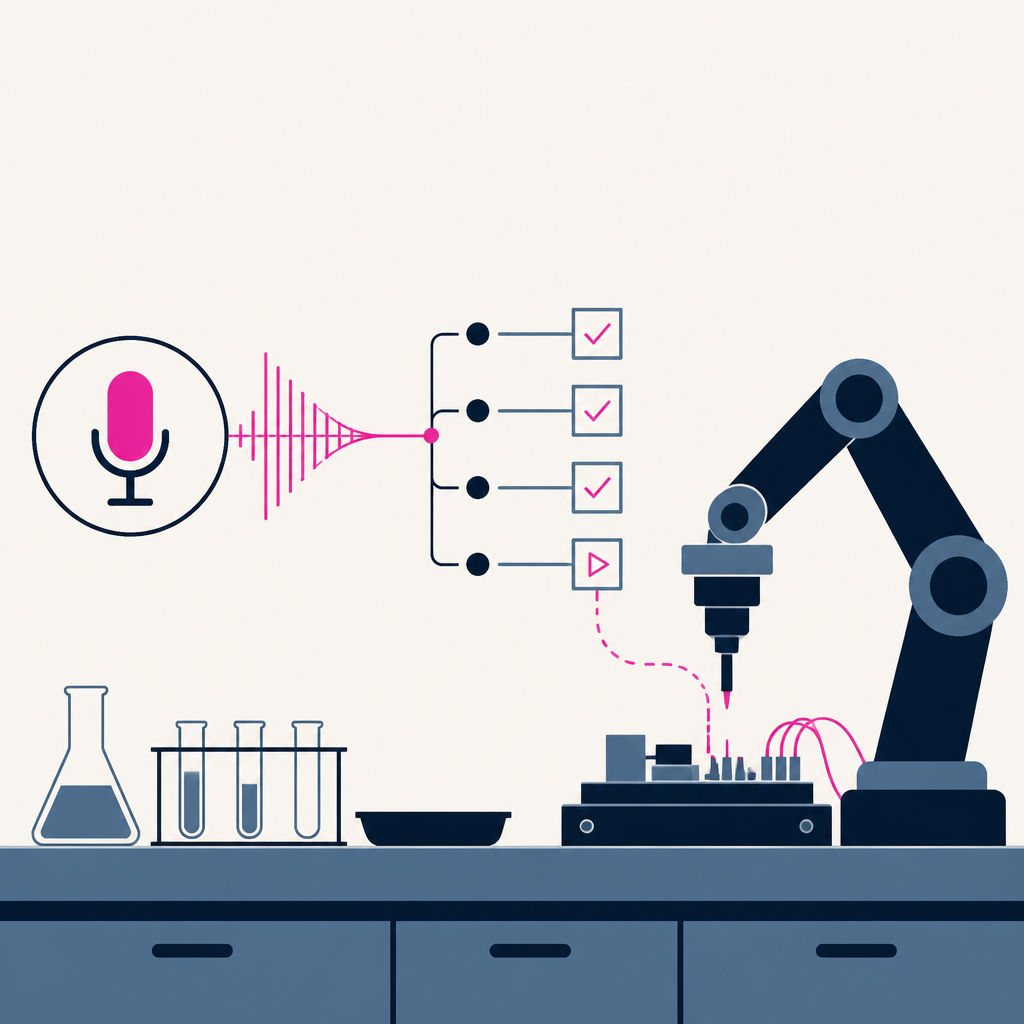
Aloud turns spoken feedback into tasks a coding agent can execute. No number, date, or price is provided in the article. As a result, voice input can be converted into runnable coding instructions rather than remaining only verbal feedback.
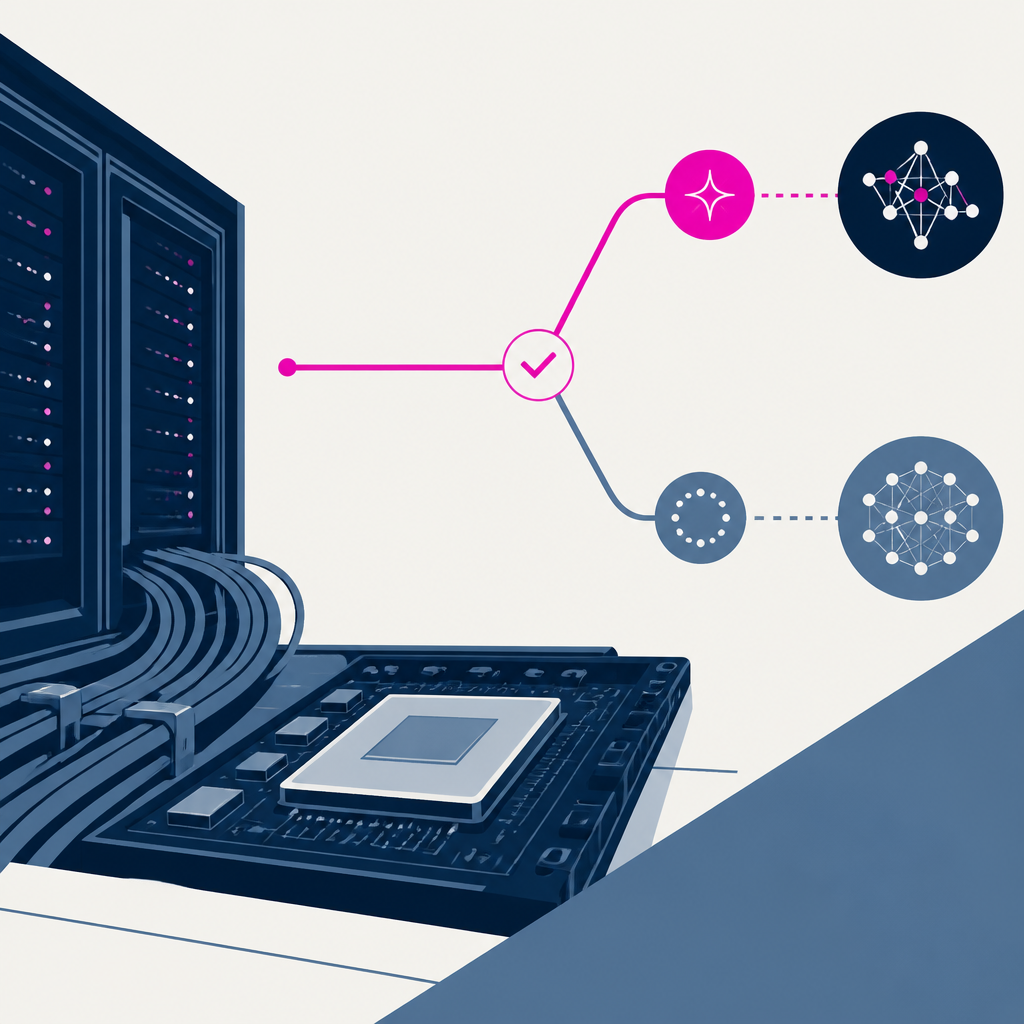
Replit launched Free Mode, a feature powered by OpenAI's GPT-5.6 Luna model, available to paid subscribers ($20–$100/month) to reduce token consumption on routine tasks. OpenAI cut Luna's API costs by 80% on July 30, enabling the partnership. The feature automatically routes complex requests to more powerful models then reverts to Luna, lowering costs for developers while expanding access to coding tools.
Sayscroll launched an AI teleprompter that scrolls text based on your voice so you can speak without manually adjusting scroll speed. It supports 60+ languages and launches today. It adds browser-based setup and studio controls plus a built-in recorder and “improvise” mode that pauses when you go off script.
OpenAI shared a configuration that allows GPT-5.6 Sol to utilize its full 1.05 million token context window when used in Codex for processing large codebases and extended debugging sessions.
Replit introduced Free Mode to let people create working software using GPT-5.6 Luna without token cost concerns.
The update is powered by GPT-5.6 Luna.
Token costs are no longer a limitation for this mode, expanding access to Replit’s software creation tools.
The page “NobodyWho” promotes running AI models on any device. The only concrete detail provided is that it supports “any device.” No other changes, dates, or technical specifics are described, so the impact is unclear.
Cloudways offers a fully managed setup to run OpenClaw and Hermes without setup steps.
The specific products named are OpenClaw and Hermes.
It changes by removing user setup and shifting responsibility to Cloudways as the managed service provider.
OneCLI proposes giving every employee a secured, sandboxed “pro assistant agent.”
The description provides no specific number, date, or benchmark.
As a result, it frames the main change as company-wide rollout of a sandboxed assistant setup rather than a detailed feature release or research finding.
Every AI story that matters,
in your inbox by 8am.
TLDRocket reads all relevant sources, removes duplicate coverage, and summarises the
day in two minutes. Follow companies and topics for alerts, or get the
briefing in Slack. Free, no spam, unsubscribe anytime.
Reading TLDRocket needs no cookies, and the readership counts we rely on come from
our own cookieless analytics. Google Analytics is the exception: it sets cookies and
reports to Google, so it stays switched off until you allow it. You can change your
mind any time from “Cookie settings” in the footer.
Strictly necessary
Session security and form protection (tldrocket-session,
XSRF-TOKEN, 2 hours). The site cannot work without them,
so they need no consent.
Always on
Google Analytics 4 (_ga,
_ga_<id>, up to 2 years). Measures which
stories and sections readers use. Google acts as a third-party processor and may
store the data outside the EU. No advertising, no profiling, no data sold.