Peerd is a browser extension that runs AI agent loops locally in Chrome or Firefox, allowing agents to read and control your existing tabs, run sandboxed code, and optionally communicate peer-to-peer, with all keys encrypted locally and no backend or telemetry. The extension uses browser security primitives (V8 isolates, WebCrypto, iframes) to isolate the agent holding your API keys from the untrusted content it reads, delegating work to separate actors that hold no keys and operate individual environments. The project is in experimental 0.x status with breaking changes likely, available as developer preview, store packages, or research preview with decentralized web features.
An article discusses best practices for naming variables, functions, and classes in software development from a cognitive psychology perspective. The author cites a study showing that improving identifier names yields the largest returns for LLM code understanding and that clearer names reduce debugging time by 19%. Better naming practices help both humans and AI tools understand code intent more quickly and reduce the cognitive load required to maintain and reason about software.
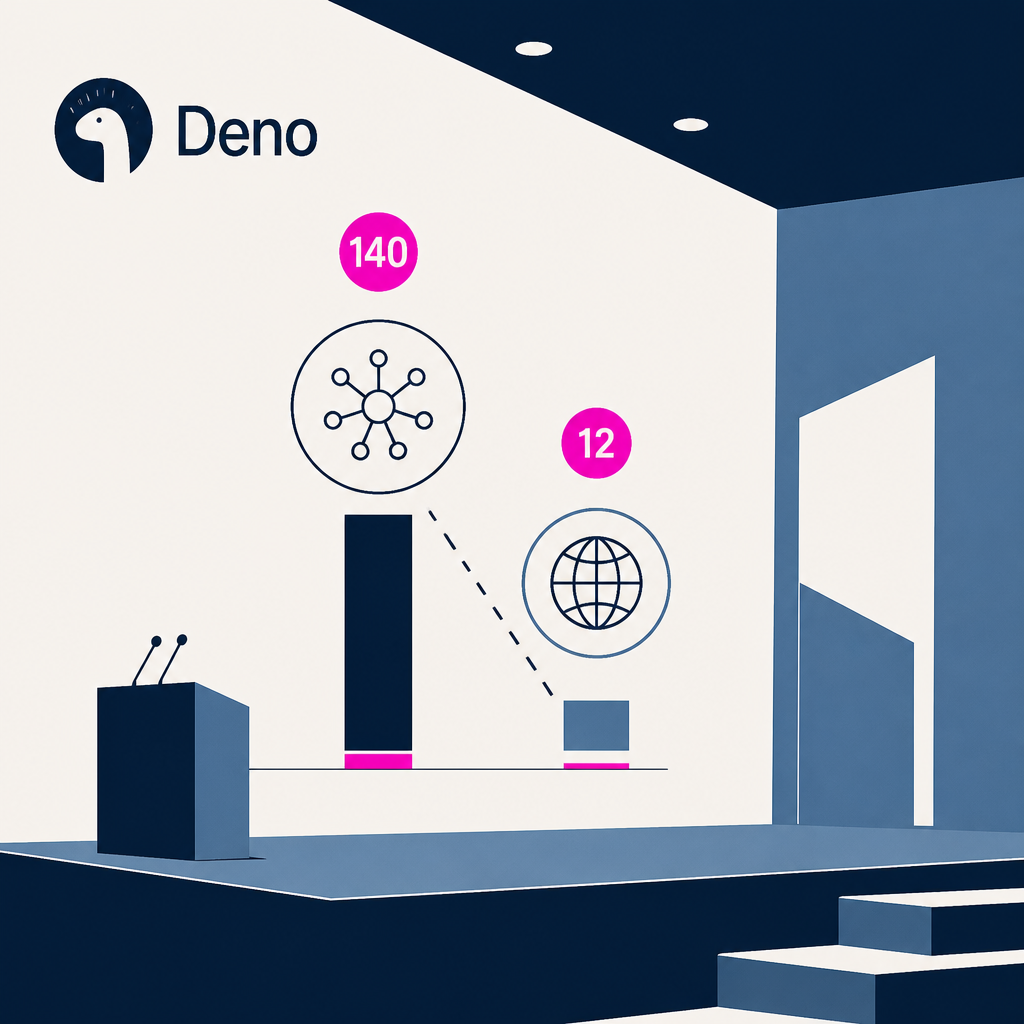
A developer documented how LLM-generated code patterns consume excessive output tokens by relying on outdated Node.js conventions instead of native Web APIs available in modern runtimes like Deno. Query string parsing costs 140 tokens versus 12 tokens using native URL APIs, form handling costs 200+ tokens versus 14 tokens using FormData, and a complete request handler costs 400–600 tokens in default style versus 60–90 tokens with native APIs. Developers can reduce API costs and improve security by specifying their runtime environment and teaching LLMs to use platform-native solutions already tested against edge cases.
Every AI story that matters,
in your inbox by 8am.
TLDRocket reads all relevant sources, removes duplicate coverage, and summarises the
day in two minutes. Follow companies and topics for alerts, or get the
briefing in Slack. Free, no spam, unsubscribe anytime.
Reading TLDRocket needs no cookies, and the readership counts we rely on come from
our own cookieless analytics. Google Analytics is the exception: it sets cookies and
reports to Google, so it stays switched off until you allow it. You can change your
mind any time from “Cookie settings” in the footer.
Strictly necessary
Session security and form protection (tldrocket-session,
XSRF-TOKEN, 2 hours). The site cannot work without them,
so they need no consent.
Always on
Google Analytics 4 (_ga,
_ga_<id>, up to 2 years). Measures which
stories and sections readers use. Google acts as a third-party processor and may
store the data outside the EU. No advertising, no profiling, no data sold.