SpaceX has purchased $329 million worth of Tesla Megapack battery storage devices so far in 2026, with $295 million spent in the second quarter alone, according to the company's earnings report. The batteries are being deployed at xAI data centers that SpaceX acquired earlier this year, and before the merger xAI had already bought $430 million worth of Megapacks. Battery systems help AI data centers manage fluctuating power demands from GPU training and inference, smoothing peak loads to reduce costs and prevent generator overload.
Microsoft has introduced spending limits on AI tools for employees and designated GPT-5.6 as the default model, directing engineers to focus on productivity gains rather than maximizing AI usage. Starting July 2026, Microsoft divisions will have AI token budgets, with current employee spending ranging from hundreds to thousands of dollars monthly. The policy reflects a broader industry trend of controlling AI costs as companies recognize that higher token consumption does not always deliver proportional business value.
The Linux Foundation created the Tokenomics Foundation to establish shared standards for AI companies to report costs and benefits of their models, addressing the lack of consensus on energy requirements and model selection across thousands of different AI systems. The initiative aims to create common disclosure parameters so that costs and performance can be directly compared. This enables companies and customers to make more informed decisions about AI spending and model selection based on standardized metrics rather than proprietary claims.
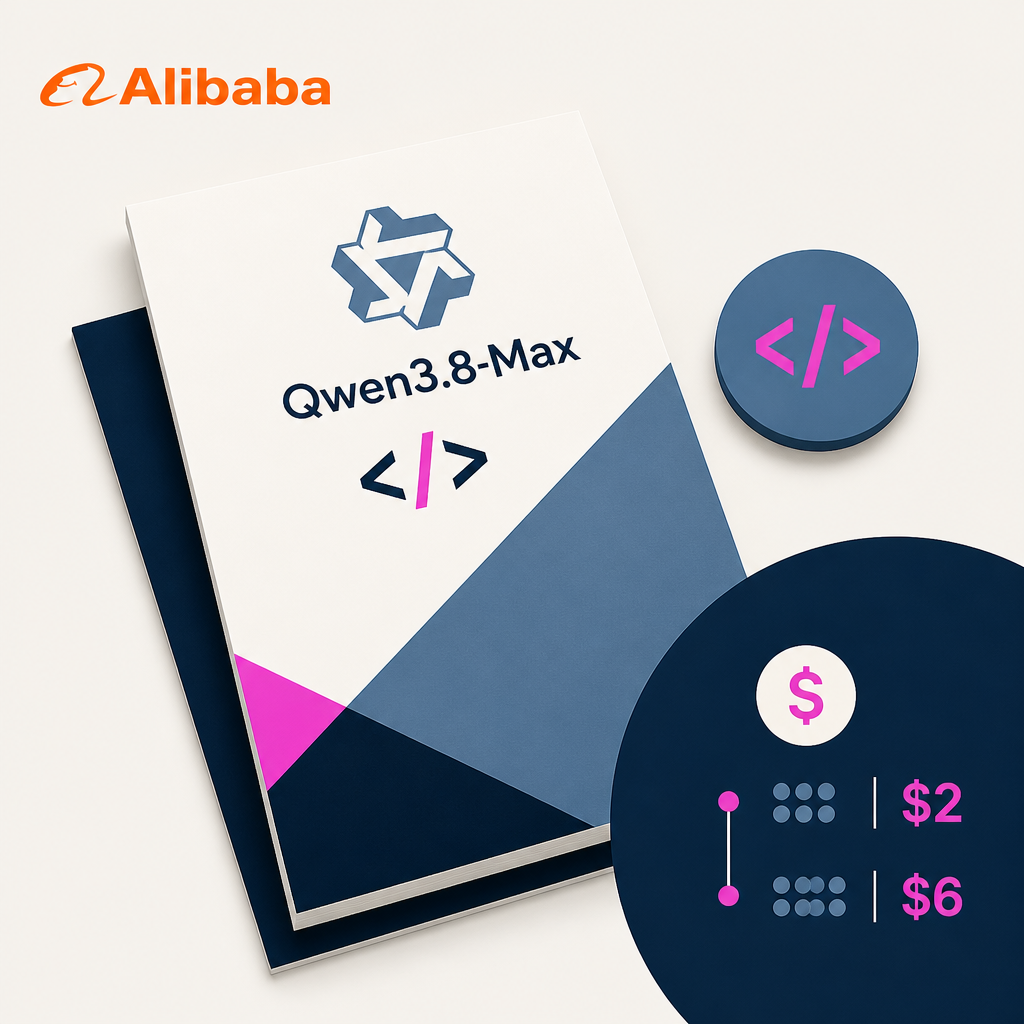
Alibaba released Qwen3.8-Max, a coding-focused language model priced at $2 per million input tokens and $6 per million output tokens. The model is integrated into Qwen Chat and targets professional developers. Developers now have a cheaper alternative for coding tasks within Alibaba's ecosystem.
Every AI story that matters,
in your inbox by 8am.
TLDRocket reads all relevant sources, removes duplicate coverage, and summarises the
day in two minutes. Follow companies and topics for alerts, or get the
briefing in Slack. Free, no spam, unsubscribe anytime.
Reading TLDRocket needs no cookies, and the readership counts we rely on come from
our own cookieless analytics. Google Analytics is the exception: it sets cookies and
reports to Google, so it stays switched off until you allow it. You can change your
mind any time from “Cookie settings” in the footer.
Strictly necessary
Session security and form protection (tldrocket-session,
XSRF-TOKEN, 2 hours). The site cannot work without them,
so they need no consent.
Always on
Google Analytics 4 (_ga,
_ga_<id>, up to 2 years). Measures which
stories and sections readers use. Google acts as a third-party processor and may
store the data outside the EU. No advertising, no profiling, no data sold.