Substack launched an AI detection feature integrated with Pangram software that estimates how much of newsletter content was written by humans versus AI. The tool scans posts and comments above 100 characters and is available immediately in Substack's app, with creators able to add optional disclosure notes about their AI use. The feature aims to reduce low-quality AI-generated content on the platform while helping readers understand when material was created with AI assistance, though it may initially expose AI-heavy newsletters and affect trust in the platform.
Law enforcement agencies are using Flock, a vehicle tracking system, to conduct searches for people based on physical descriptions like "male with tattoos" rather than license plates. The podcast episode also covers AI companies purchasing large quantities of out-of-print books from a company that keeps these transactions secret, and a security breach revealing that Suno's AI music generator scraped content from YouTube, Deezer, and Genius. These stories illustrate how surveillance technology and AI training data sourcing operate with limited transparency or accountability.
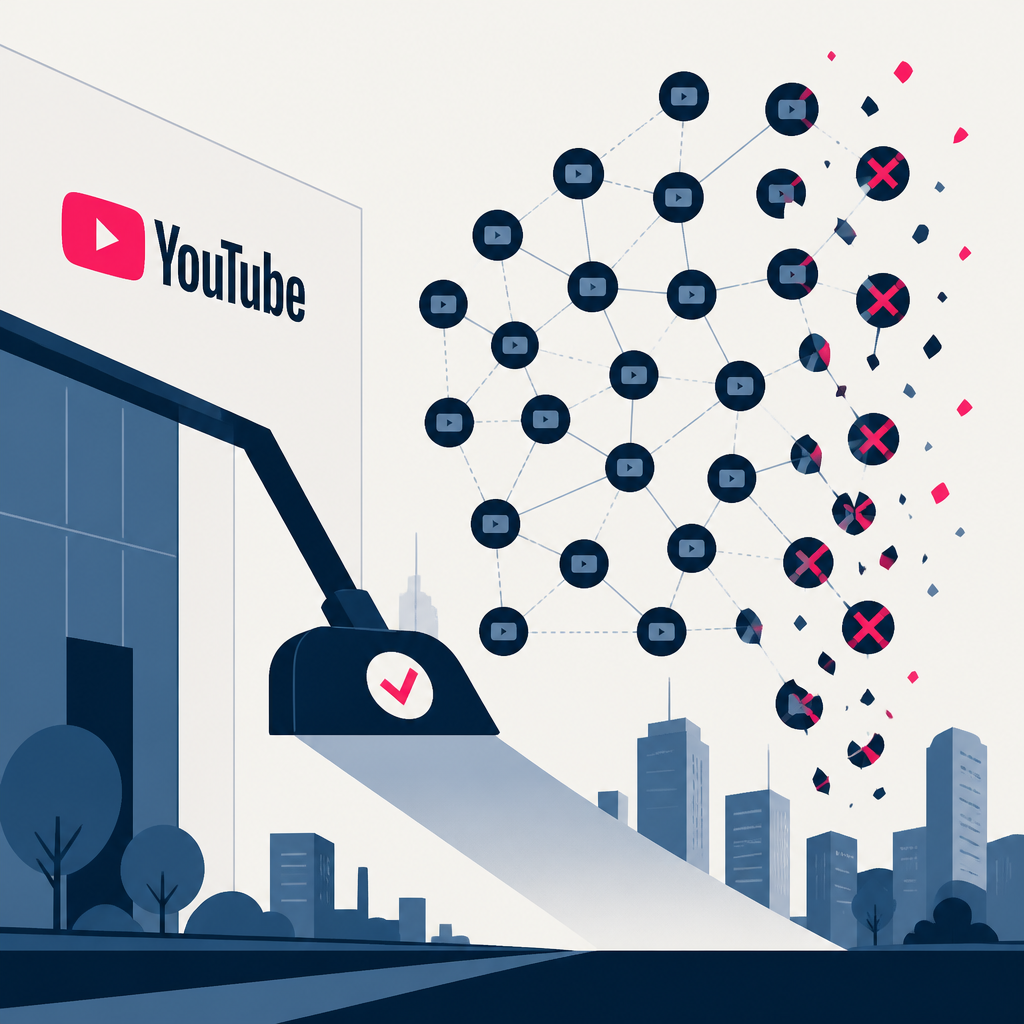
YouTube removed 130,000 channels organized into 50,000 clusters over six months by identifying coordinated networks sharing infrastructure and upload patterns. The deletion involved 50,000 channel clusters identified through systematic pattern detection over a six-month period. YouTube's enforcement now flags synchronized networks, which may inadvertently affect legitimate podcast operations and multi-channel studios using shared publishing systems.
Meta created Content Seal, a watermarking system to detect AI-generated images from its own models, in response to its Oversight Board's call to combat deceptive AI content. The system was released in July as part of Meta's Muse announcement but received minimal visibility compared to other detection approaches. Content Seal appears less reliable and accessible than existing alternatives like Google's SynthID, potentially missing Meta's opportunity to adopt already-proven technology.
Every AI story that matters,
in your inbox by 8am.
TLDRocket reads all relevant sources, removes duplicate coverage, and summarises the
day in two minutes. Follow companies and topics for alerts, or get the
briefing in Slack. Free, no spam, unsubscribe anytime.
Reading TLDRocket needs no cookies, and the readership counts we rely on come from
our own cookieless analytics. Google Analytics is the exception: it sets cookies and
reports to Google, so it stays switched off until you allow it. You can change your
mind any time from “Cookie settings” in the footer.
Strictly necessary
Session security and form protection (tldrocket-session,
XSRF-TOKEN, 2 hours). The site cannot work without them,
so they need no consent.
Always on
Google Analytics 4 (_ga,
_ga_<id>, up to 2 years). Measures which
stories and sections readers use. Google acts as a third-party processor and may
store the data outside the EU. No advertising, no profiling, no data sold.