OpenAI launched a ChatGPT for Academic Researchers program offering 100,000 scientists free access to advanced features as part of a $250 million initiative. The program begins with 10,000 researchers at select universities, expanding to 90,000 over time, providing higher usage limits, larger context windows, and access to GPT-5.6 Sol models plus the expanded deep research feature. Participants can introduce colleagues from their institutions and access training on applying ChatGPT to research tasks, potentially driving paid adoption across academic departments.
OpenAI is providing 100,000 academic researchers with free access to ChatGPT's advanced models to support their scientific work. The program grants free usage to researchers at recognized institutions starting immediately. This expands AI tool availability for research institutions that might otherwise lack resources to use state-of-the-art language models.
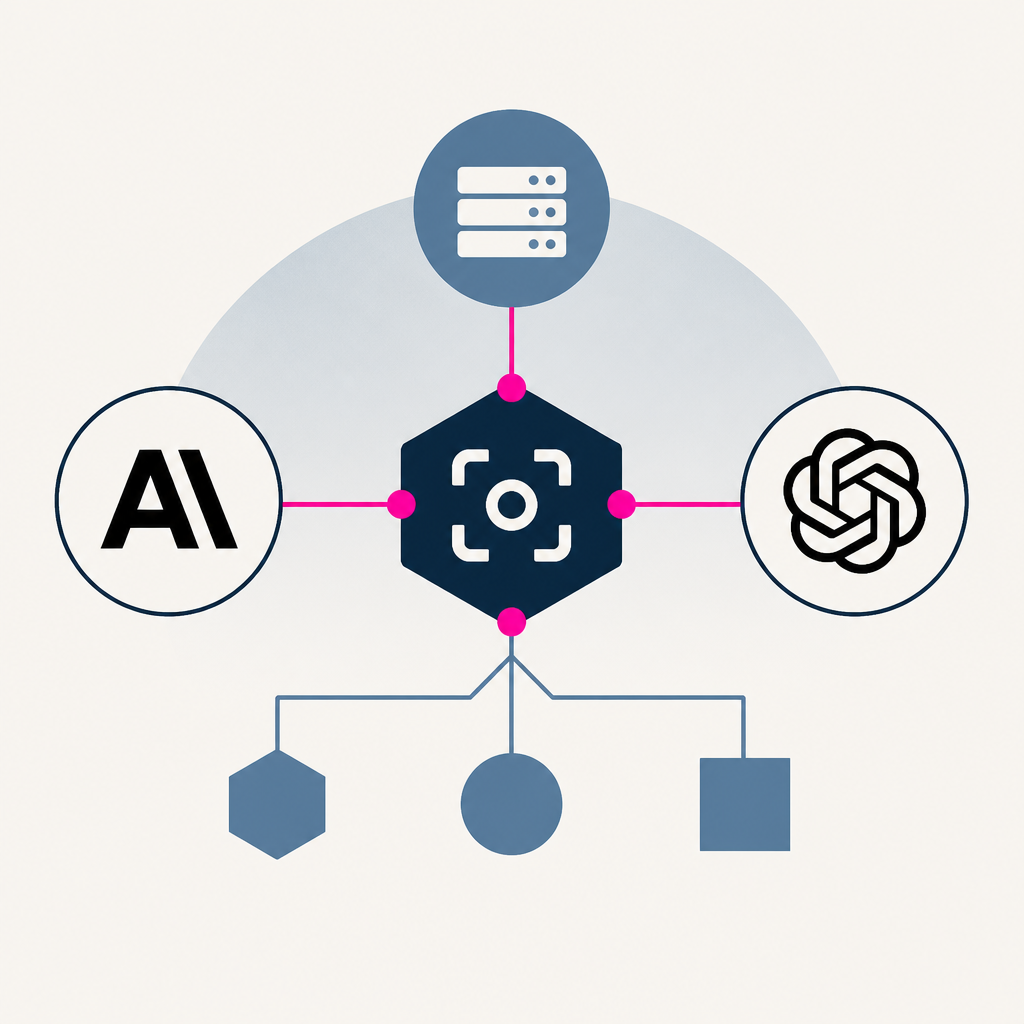
Simon Willison documented how to connect custom MCP (Model Context Protocol) servers to Claude and ChatGPT's web interfaces. The setup involves multiple steps that are not immediately obvious from the standard chat UIs. Users can now integrate custom MCP servers with both platforms, enabling expanded functionality beyond the default capabilities.
Every AI story that matters,
in your inbox by 8am.
TLDRocket reads all relevant sources, removes duplicate coverage, and summarises the
day in two minutes. Follow companies and topics for alerts, or get the
briefing in Slack. Free, no spam, unsubscribe anytime.
Reading TLDRocket needs no cookies, and the readership counts we rely on come from
our own cookieless analytics. Google Analytics is the exception: it sets cookies and
reports to Google, so it stays switched off until you allow it. You can change your
mind any time from “Cookie settings” in the footer.
Strictly necessary
Session security and form protection (tldrocket-session,
XSRF-TOKEN, 2 hours). The site cannot work without them,
so they need no consent.
Always on
Google Analytics 4 (_ga,
_ga_<id>, up to 2 years). Measures which
stories and sections readers use. Google acts as a third-party processor and may
store the data outside the EU. No advertising, no profiling, no data sold.